Luxury Peru Tours & Vacations
Lima
Cusco
Machu Picchu
The Amazon
Lake Titicaca
Bespoke & Private Tours in Peru
Peru is three countries laid side by side. A dry desert coast runs along the Pacific; behind it the Andes climb to 22,205 feet at Huascarán; and beyond the mountains, close to 60 percent of the country is Amazon rainforest. The Inca stitched the highlands to the coast with one of the great road systems of history. Built over several centuries on pre-Inca foundations and at its fullest in the 15th century, the Qhapaq Ñan network covered around 18,600 miles across six countries, and stretches of it are still walkable. That geography is why Peru rewards careful planning, and why it punishes the standard circuit.
For over 45 years, Explorers World Travel has planned bespoke luxury travel to Peru: private tours arranged around the people traveling rather than around a fixed departure. A luxury Peru vacation with us might open in Lima over a tasting menu, move up to the Sacred Valley to acclimate, reach Machu Picchu on a day and circuit chosen to avoid the heaviest crowds, and finish in the Amazon - but every itinerary is built from scratch, and every lodge is one we've stayed in ourselves.
Where to Visit in Peru
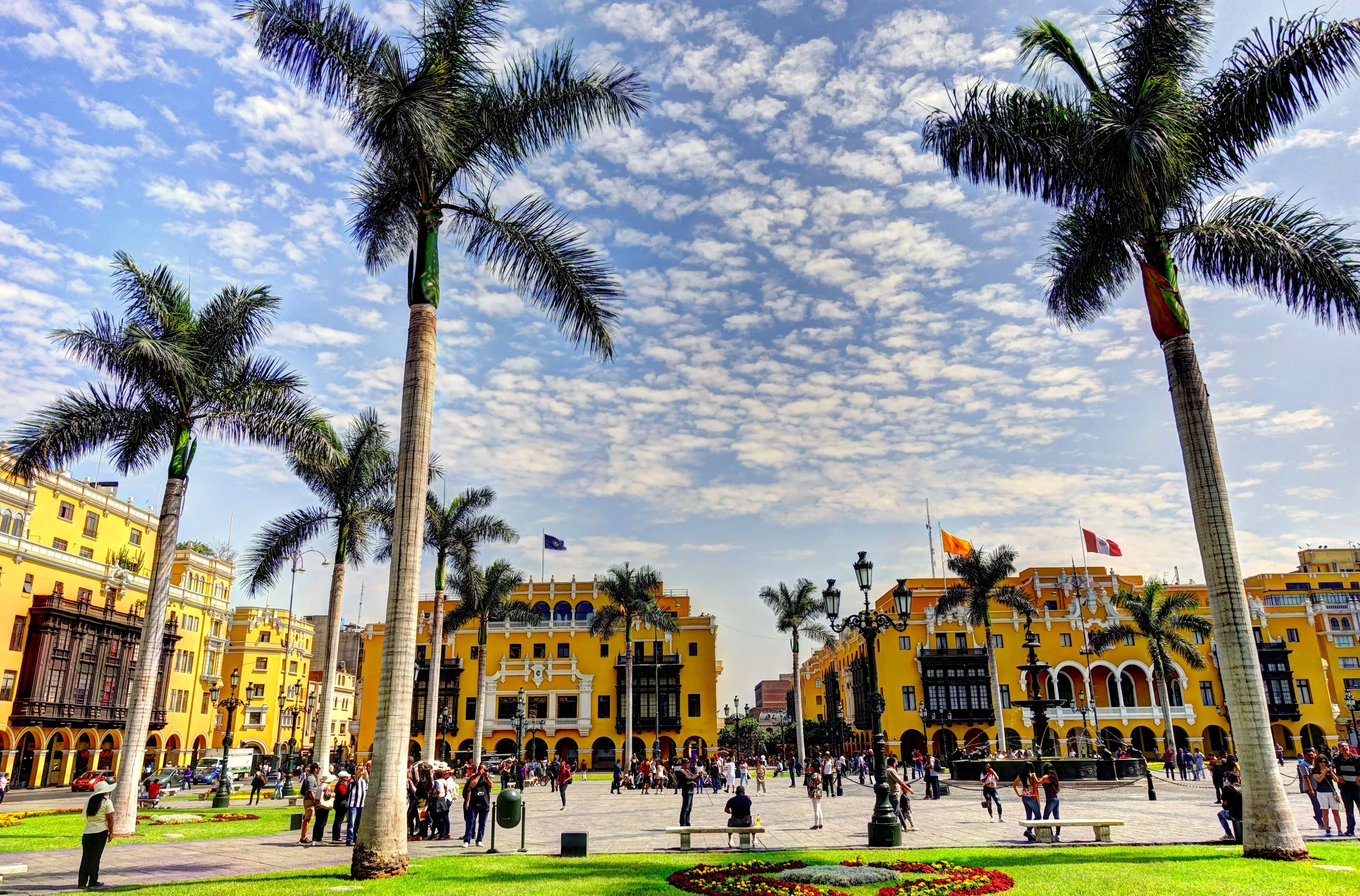
A Desert Capital Built Around the TableLima & the Pacific Coast
Lima is where most itineraries start and where too many of them rush. Give the city two nights and spend them at the table. This is a coastal capital where the Pacific arrives in the kitchen by morning: ceviche cured to order in citrus-sharp leche de tigre, ají amarillo warming the plate, and Nikkei cooking that folds Japanese precision into Peruvian ingredients. Maido, the Nikkei kitchen behind that blend, was named The World’s Best Restaurant in 2025; Kjolle ranked ninth the same year, and Central, a former No. 1, now sits in the awards’ Best of the Best group. Between tasting menus, walk the Historic Center, UNESCO-listed in 1988. It was the capital of Spanish South America until the mid-18th century, and it still has the convents to show for it.
Peruvian cooking is a conversation between three ecosystems - the Pacific, the Andes and the Amazon - and Lima is the one place where all three turn up on a single menu. We reserve the dining rooms that book out months ahead and build the days around them.
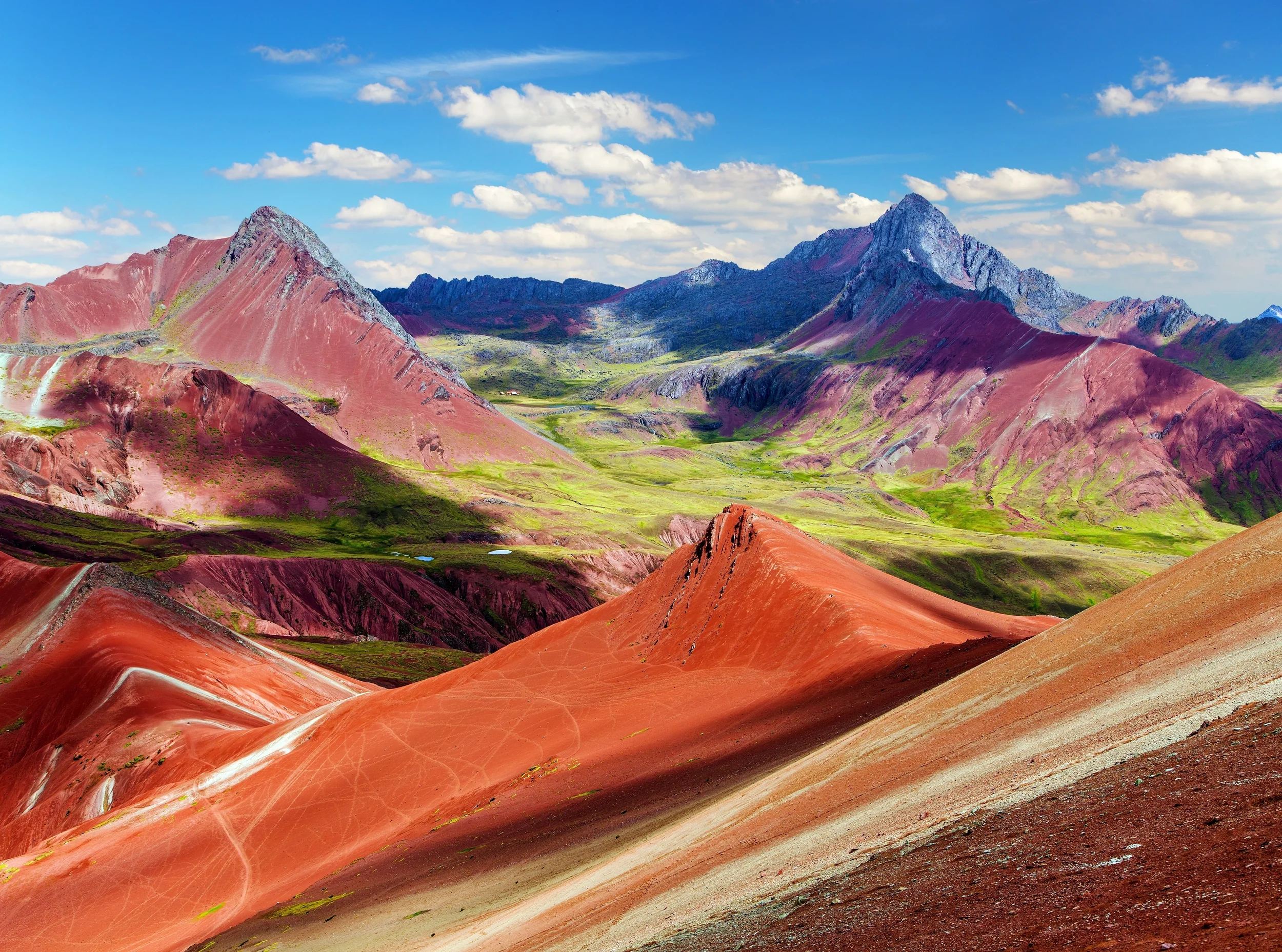
The Inca Capital at Eleven Thousand FeetCusco & the Sacred Valley
Cusco was the capital of the Inca Empire until 1532, and the city is built on the seams of that history. The Qorikancha, the temple of the sun god Inti, still carries Inca stonework beneath the Santo Domingo convent the Spanish raised on its foundations; above the city, the esplanade at Sacsayhuamán hosts Inti Raymi, the solstice festival, every June. UNESCO inscribed Cusco as a World Heritage Site in 1983. The city also sits at 11,152 feet, which is where most travelers' altitude questions begin.
That's why we rarely start there. The Sacred Valley, the stretch of the Urubamba River between Cusco and Machu Picchu, sits well below the city, and spending your first nights in the valley gives your body a gentler introduction before you go higher. It's also the best of the countryside: Ollantaytambo, a working Inca town with fortress terraces rising above the street and the station for the trains to Machu Picchu; the circular terraces of Moray; the hand-worked salt pans at Maras. For a Peru culture trip, this is the layer most travelers miss - time with weavers and farming families, arranged privately rather than as a stop on a coach route.
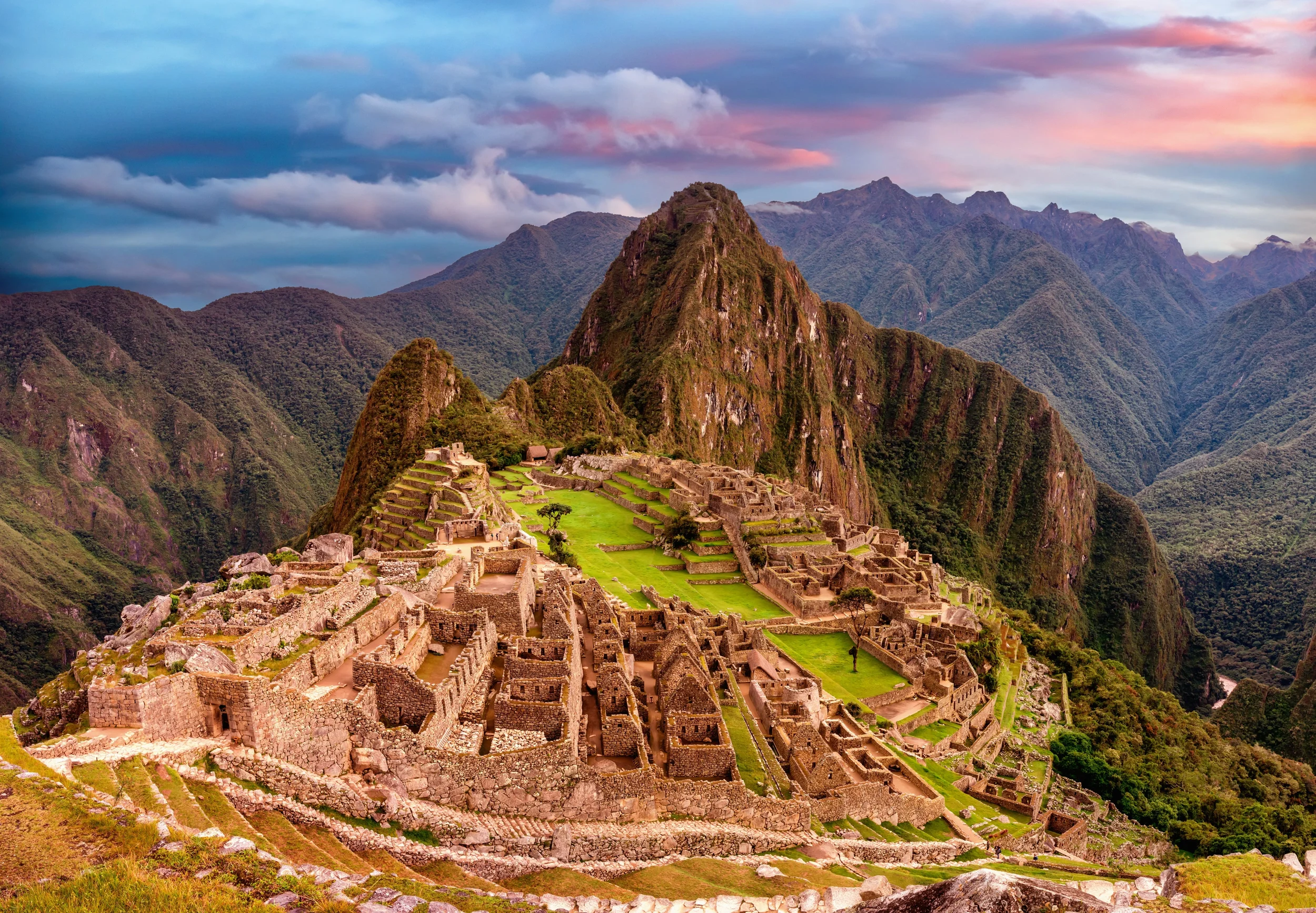
An Inca Sanctuary Above the CloudsMachu Picchu & the Inca Trail
Built in the 15th century at around 7,900 feet and listed by UNESCO in 1983 as a mixed cultural and natural site, Machu Picchu is as good as the photographs and far more managed than most people expect. Entry is capped, which shapes every Peru Machu Picchu tour: for 2026 Peru set a limit of 4,500 visitors a day, rising to 5,600 between June 19 and November 2, and tickets are sold for set circuits rather than open access. The rules are reset each year, so the day you go, the circuit you walk and the tickets behind them are settled long before you land. We confirm the current rules for your dates and secure them early.
There are three ways to arrive. The train from Ollantaytambo is the classic, and the right call for most travelers. The Inca Trail is the one people remember: 26 miles over four to five days, topping out at Dead Woman's Pass at 13,829 feet. It is limited to 500 people a day, porters and guides included, with only around 200 of those places for trekkers; it closes every February; and peak-season dates go early, so plan five to six months ahead for June to August. Or take one of the quieter routes into the same mountains - Salkantay, Lares or Choquequirao - each of which can be built as a private trek with proper camps or lodge stays. For travelers looking for luxury hiking tours in Peru, that is where the best days are.

Three Ways into the RainforestThe Peruvian Amazon
Most travelers think of the Amazon as Brazil's. Peru holds a very large share of it, and offers three quite different ways in. A luxury Amazon tour in Peru is really a choice between a lodge, an expedition and a ship.
Tambopata, a reserve of 274,690 hectares (about 1,060 square miles) reached by boat from Puerto Maldonado, is the easy one: a short flight from Cusco, then a river transfer to a lodge, with clay licks where macaws and parrots gather. Manu is the wild one. Its 1.7 million hectares run from Andean highlands near 13,000 feet down into lowland rainforest, it has been a World Heritage Site since 1987, and it holds more than 1,000 bird species and around 160 mammals. Access is zoned, with its core reserved for researchers, which is much of why it stays so intact. Pacaya-Samiria, in the northern region of Loreto, covers about 2 million hectares (some 5 million acres) of flooded forest and is best explored by boat, with Amazon river dolphins, giant otters and manatees among its residents.
Water level shapes the experience. As a rule of thumb the dry season runs roughly May to October, when rivers drop and wildlife concentrates along the banks and clay licks; the wetter months bring higher water and a lusher, quieter forest. Lowland trips also carry health considerations that Cusco and Machu Picchu do not - see the vaccination question below.
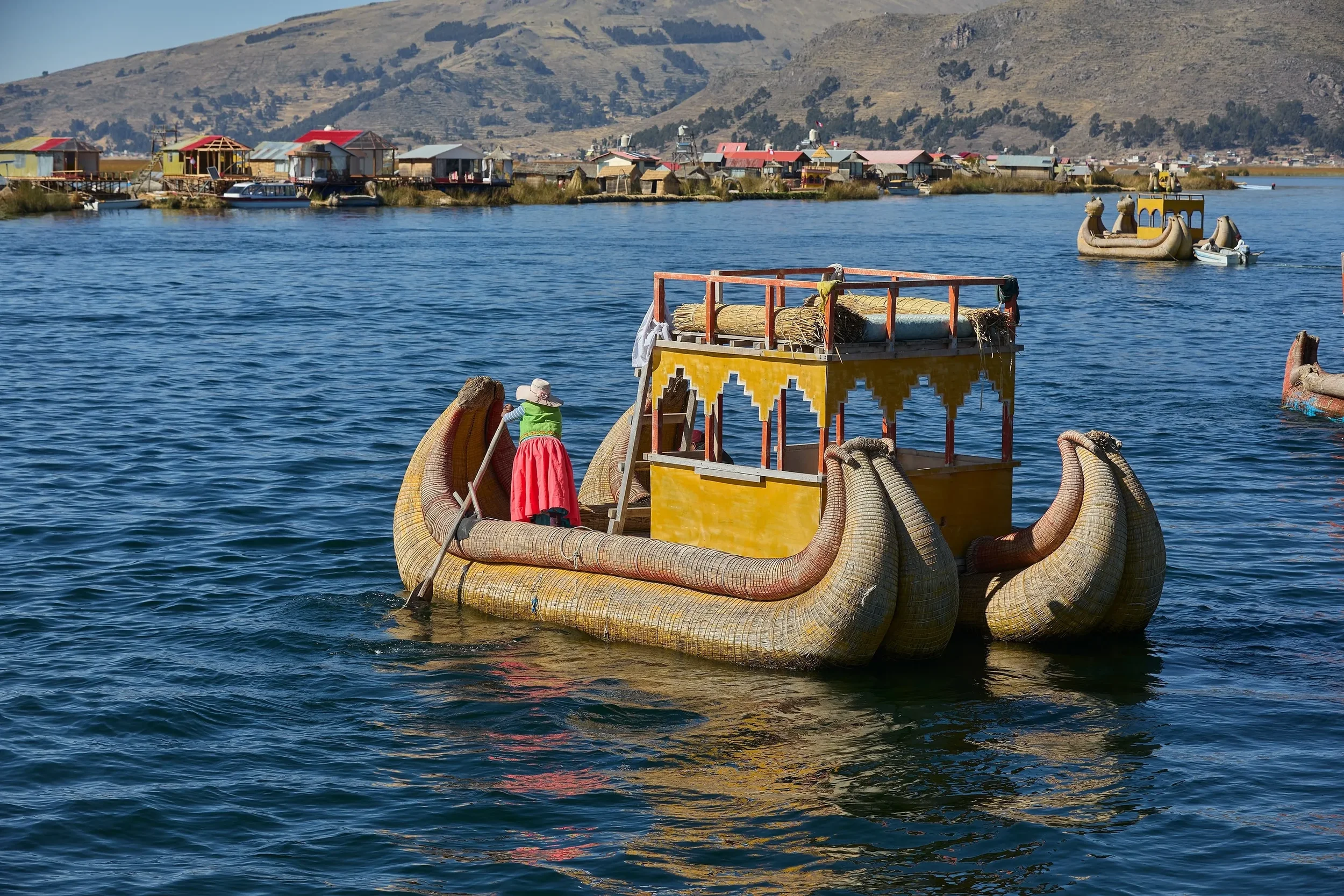
Volcanoes, Condors and a Lake in the SkyLake Titicaca, Arequipa & the South
Southern Peru is the quiet half of the country. Arequipa, founded in 1540 beneath three snow-capped volcanoes, is built largely of sillar, a pale volcanic stone, and its historic center (UNESCO-listed in 2000) holds around 500 traditional casonas. From there the road climbs toward Colca Canyon, where the Cruz del Cóndor viewpoint looks down some 3,900 feet to the canyon floor and Andean condors ride the air along the walls. We time the visit for when the birds are flying.
Further east, Lake Titicaca sits at 12,507 feet, about 1,350 feet higher than Cusco, which is why we visit it after the Sacred Valley rather than before. Often described as the world's highest navigable lake, it is home to the Uros, who build their floating islands from layers of totora reed, and to Taquile, an island whose textile art UNESCO has recognized as intangible heritage. For travelers with the time, this is the region that turns a Machu Picchu trip into a Peru trip.
Peru has a dry and a wet season in the Andes, a different calendar on the coast and a third for the Amazon, so the best time to go depends on which Peru you want most. In the mountains the dry season runs roughly May to October and the wet season roughly November to April. Nobody gets every region at its best at once, and anyone who promises perfect weather everywhere is skipping the details. So we start with what matters most to you, then build the dates around it.
When to Visit Peru
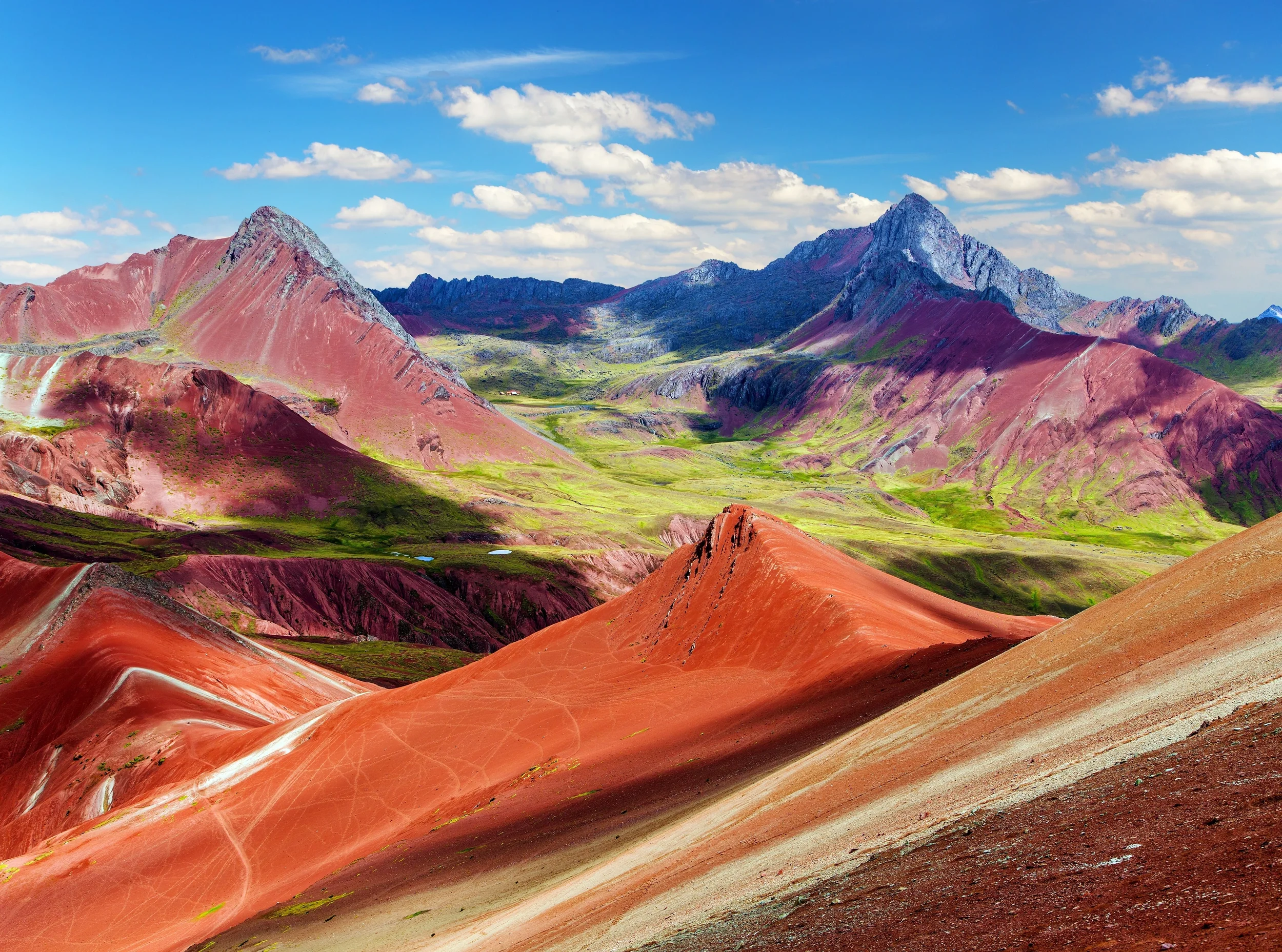
May to October: Machu Picchu, Trekking & the Andes
This is the window for a trekking-led Peru tour. Skies in the highlands are clear, trails are at their best, and the Inca Trail and the quieter treks are running to full strength. June to August is peak season: Machu Picchu's daily cap rises to 5,600 visitors (in 2026, from June 19 to November 2), Inca Trail permits for these months go first, and Cusco fills for Inti Raymi in June.
The trade-offs are real. Nights in Cusco, the Sacred Valley and especially around Lake Titicaca are cold, and Lima sits under its winter overcast. The Amazon is at its most accessible, with lower rivers and wildlife concentrated along the banks.
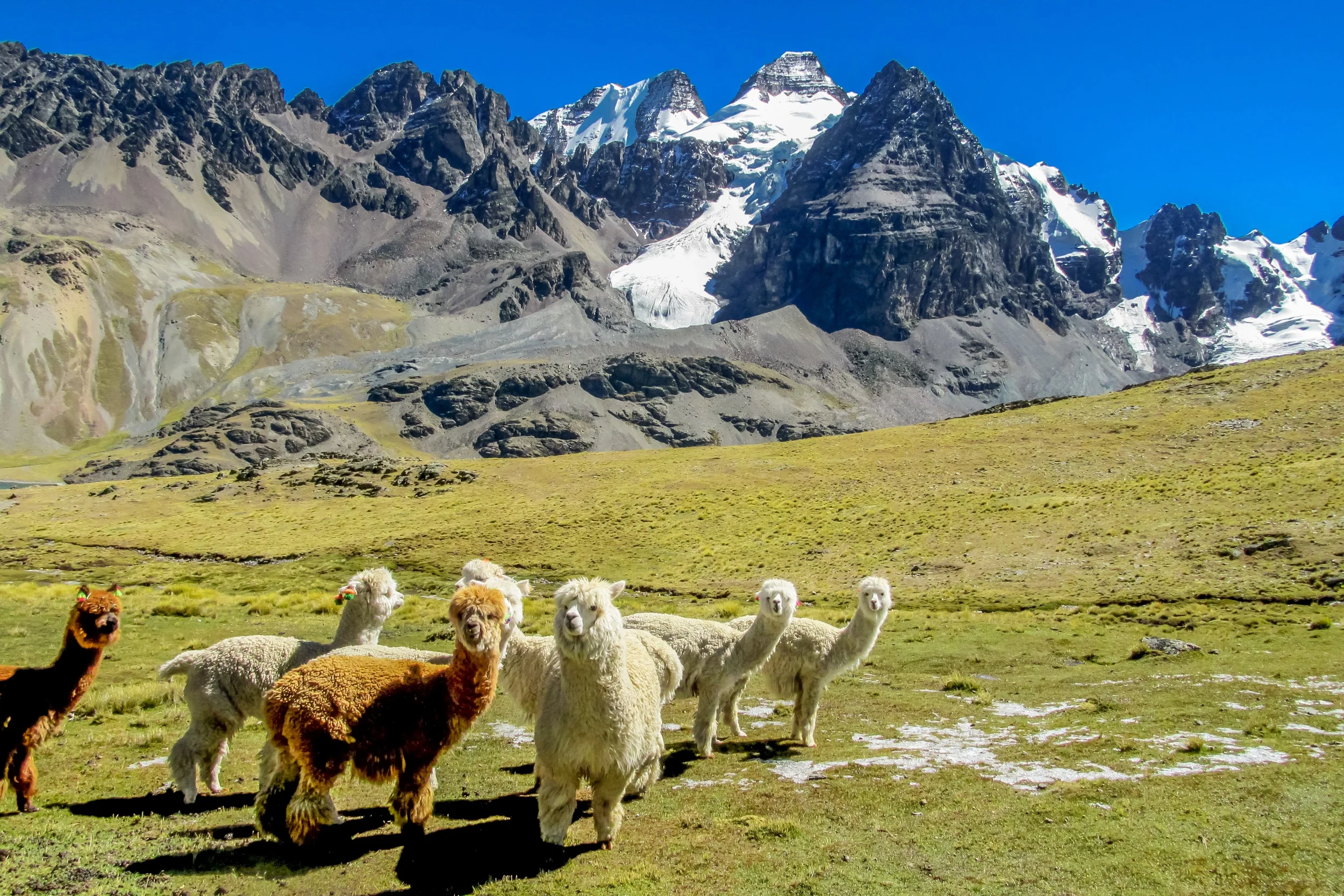
April, May, September & October - The Sweet Spot
If your dates are flexible, aim for the shoulder months. The weather is still mostly good and the crowds are thinner, particularly in Cusco and the Sacred Valley. April tends to be quieter at Machu Picchu; September keeps high-season weather but with fewer people in the valley, although Machu Picchu itself stays busy. These are the months in which we find it easiest to get the rooms, the guides and the permits we want.
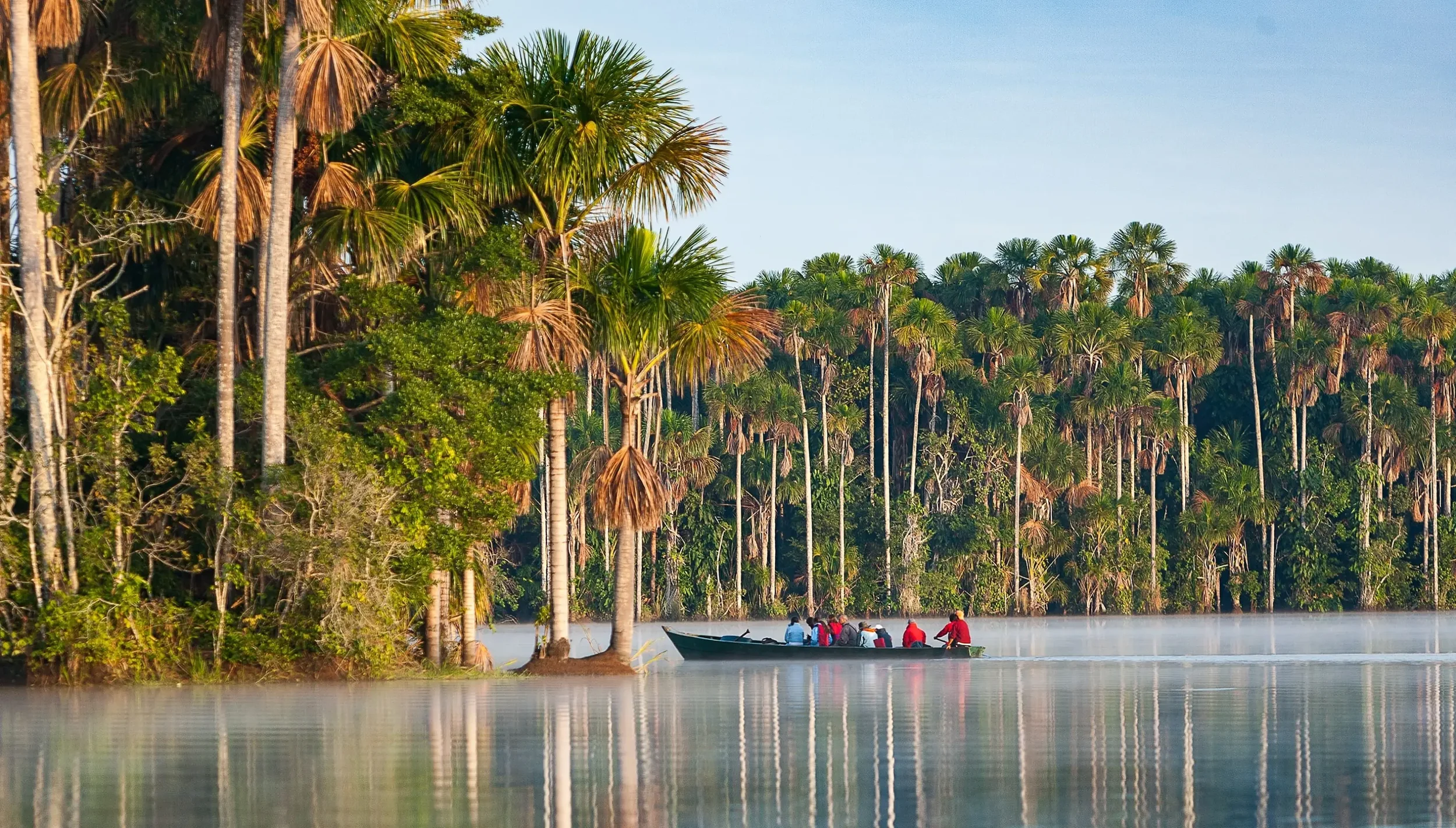
November to April - Green Season, Coast & Quiet Trails
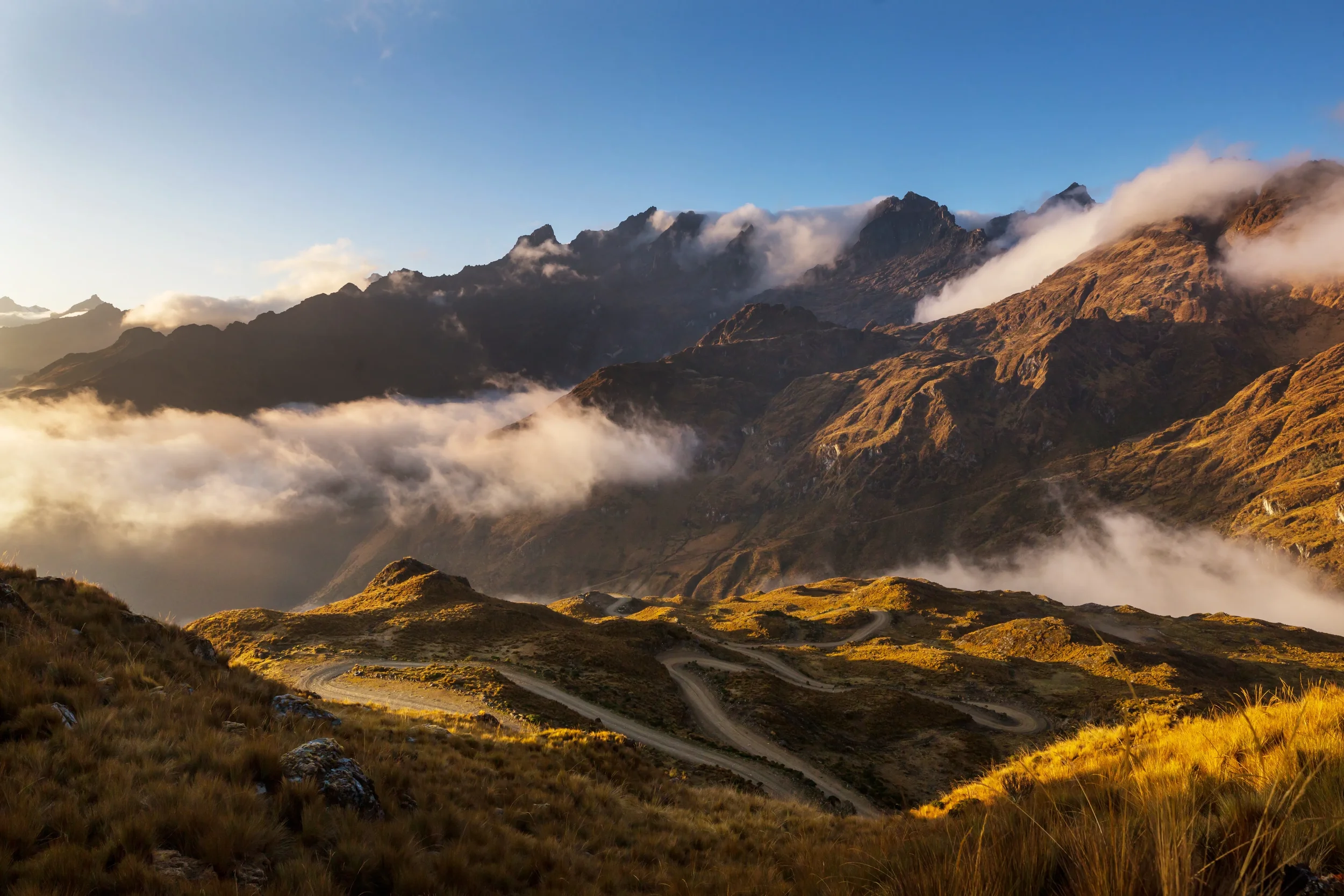
The Andes turn green and the rains arrive. Trails are muddier but manageable, and you will share them with far fewer people. The Inca Trail closes for the whole of February for maintenance, so a February trek means choosing an alternative route. Rain can occasionally disrupt trains and trails, so we build slack into wet-season itineraries.
It is also Lima's summer, the best time for the coast, and a good window for travelers who want the food, the museums and the Sacred Valley without the high-season crowds.
Tailoring Your Peru Trip
Building a private Peru tour from scratch means it bends to the people traveling it. A honeymoon, a family trip and a trek ask for very different things from the same country.
Peru Honeymoons
A luxury Peru honeymoon works because the country offers romance at two very different altitudes. We tend to pair a few nights of pure quiet in the Sacred Valley, where small properties sit among farmland and mountain views, with something that gives the trip its center: Machu Picchu on a day we've chosen for the light and the crowds, a stretch of the Amazon, or a long dinner in Lima. For couples planning luxury Peru holidays rather than a standard itinerary, the details are what make it. We'll arrange the private dinner and the quiet morning without making a production of it.
A family trip to Peru works well with some planning around age and altitude. Altitude is the main variable: we start families in the Sacred Valley rather than Cusco, keep the first days gentle, and keep trains and short flights in place of long road days. Machu Picchu is accessible to children, and minors must be accompanied by a responsible adult at the entrance.
The Amazon needs a longer lead time. Lowland areas carry health requirements that Cusco and Machu Picchu do not, including a yellow fever vaccine recommended for travelers aged nine months and older, and malaria precautions in places like Puerto Maldonado and Iquitos. Tell us the ages of your travelers, ask your pediatrician early, and we'll pitch the trip accordingly.
Family Trips to Peru
Peru trekking holidays reward travelers who would rather walk a landscape than look at it. The Inca Trail is the best known - four to five days, 26 miles, with a 13,829-foot pass - but it is also the most regulated. Salkantay, Lares and Choquequirao reach the same mountains by quieter routes, and we can build any of them as a private trek with a proper kitchen, good camps or lodge nights, and guides we trust.
Off the trails, the adventure is in the contrast: condors over Colca Canyon, reed boats on Lake Titicaca, a dawn boat trip in Tambopata or Manu. It's a country built for a Peru adventure tour, and none of it requires you to be twenty-five.
Trekking & Adventure Tours
Peru is one of the easiest countries in which to travel for culture, because the culture is the itinerary. Lima's restaurants, the Inca stonework of Cusco, the weaving communities of the Sacred Valley and the textile island of Taquile are all within a day's reach of each other. A Peru culture trip built properly means time with the people behind each - cooks, weavers, farmers, archaeologists - and less time on the bus between sights. Tell us what you want to understand about Peru and we'll build the journey around it.
Culture & Culinary Journeys
Your Questions, Answered
-
Ten nights is a sensible minimum for a first trip: enough for Lima, the Sacred Valley, Machu Picchu and one more region without living in airports. Adding the Amazon, or Lake Titicaca and Arequipa, usually takes it to twelve to sixteen nights, because the Andes need an acclimation buffer and the domestic flights take real time. A trip that tries to fit all five regions into a week ends up being about the transfers.
-
May to October gives the best weather, but June to August is the busiest stretch, when the daily visitor cap is also highest. The best balance is April, May, September and October. The wet season, November to April, is greener, quieter and less predictable, and February is the month to avoid if you want to hike the Inca Trail, which is closed. Whenever you go, Machu Picchu entry and Inca Trail permits are limited, so settle your dates early.
-
No. US citizens don't need a visa for tourism in Peru, and requirements can change, so we'll confirm the current position as part of your booking. At a glance, the US State Department lists entry as requiring:
A valid passport: at least six months of validity on arrival, with one blank page for the entry stamp
No tourist visa: Peruvian border officials set your approved length of stay when you arrive
A recorded entry: make sure your entry is stamped or recorded, as a missing record can delay your departure and bring fines
-
On a planned route, generally yes. The US State Department rates Peru at Level 2, Exercise Increased Caution, in an advisory dated September 2026. It singles out specific areas elsewhere in the country, and states that the city of Cusco, the Sacred Valley, the Inca Trail and Machu Picchu are not in the affected area. Our itineraries stay on routes outside those areas. In Lima, the practical risk is hailing unknown taxis, which is a good argument for private transfers and a guide who knows the city. We check the advisory again before every departure.
-
It's possible for anyone, regardless of fitness, so we plan for it. Cusco is at 11,152 feet, Lake Titicaca at 12,507 feet, and the Inca Trail crosses a pass at 13,829 feet. Machu Picchu, at around 7,900 feet, is much lower. We sequence your trip to climb gradually, usually Lima, then the Sacred Valley, then Cusco, with Titicaca later. Talk to your doctor before you travel about whether preventive medication is right for you, and tell your guide early if you feel unwell.
-
Take the train if you want Machu Picchu in comfort; hike if the walk is the point. A classic Peru Inca Trail tour covers about 26 miles over four to five days, with a 13,829-foot pass, ending at Machu Picchu through Intipunku, the Sun Gate. It is limited to 500 people a day including porters and guides, closes every February and sells out months ahead. If permits are gone, Salkantay, Lares and Choquequirao are strong alternatives with fewer people on the path. Many travelers do both: trek in, then take the train out.
-
No vaccinations are required to enter Peru, according to the US State Department. Health advice depends on where you're going. The CDC recommends yellow fever vaccination for travelers aged nine months and older going to lowland Amazon areas below 2,300 meters (7,550 feet), such as Madre de Dios and Loreto, but not for Cusco, the Inca Trail or Machu Picchu. Malaria occurs in the lowland Amazon, including around Iquitos and Puerto Maldonado, but not in Cusco, Machu Picchu or the Lake Titicaca area.
CDC guidance can change and the right choices depend on your health, so see your doctor or a travel clinic well before you leave.
-
Easily. Peru pairs naturally with Chile, where the Atacama Desert connects to southern Peru, and with Brazil and Ecuador's Galápagos for travelers with three weeks or more. We've been building private journeys across South America for decades and can route the whole thing as one itinerary rather than two.
Explore Other South America Destinations
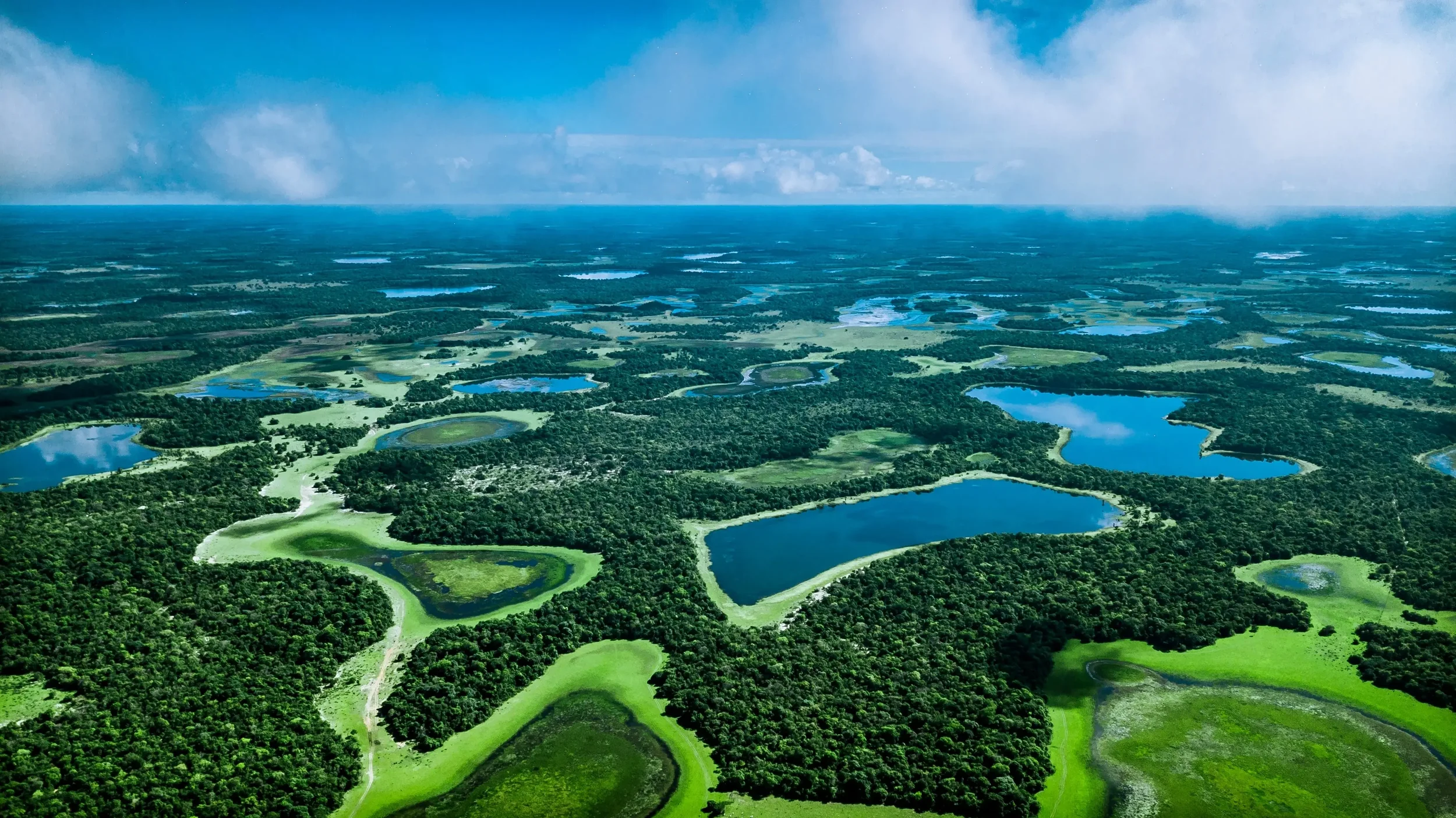
Seek out jaguars in the Pantanal and explore the Amazon rainforest.
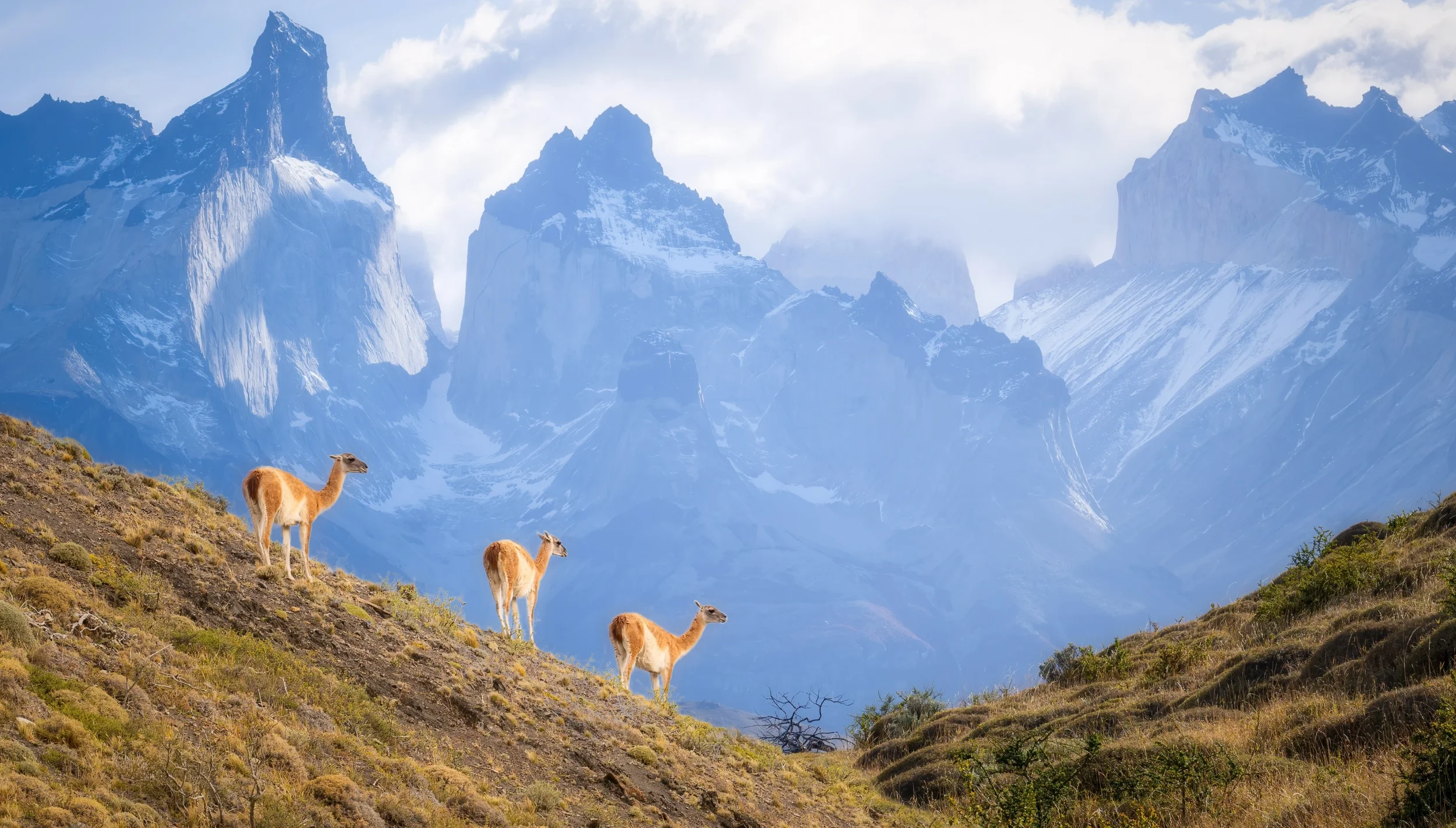
Stargaze in the Atacama and walk beneath the granite towers of Torres del Paine.
Related Posts