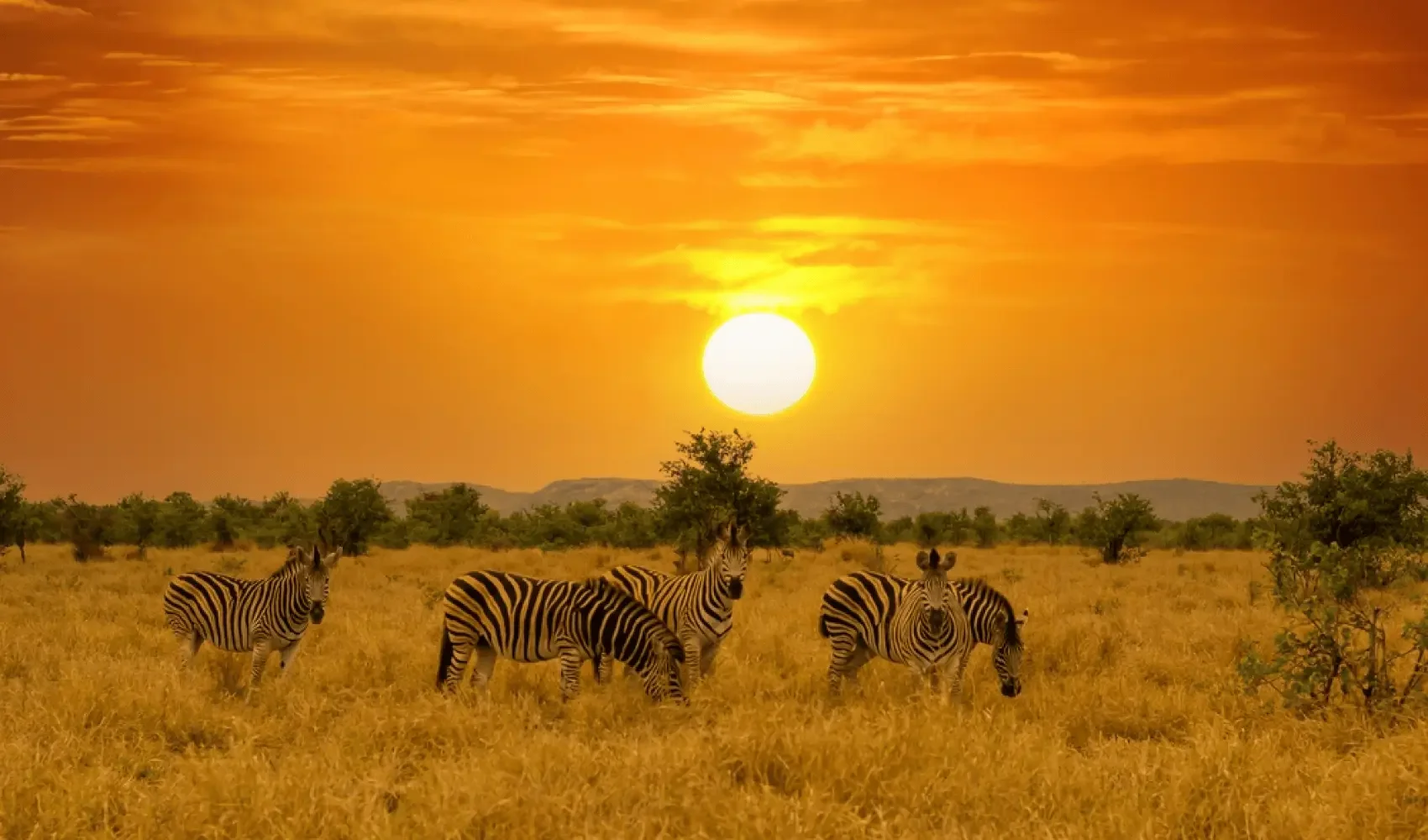
Luxury South Africa
Safaris & Tours
Sabi Sands
Kruger
Madikwe
Kalahari
Cape Town
Custom Safari Tours in South Africa
South Africa doesn’t whisper. It announces itself - in the rumble of a lion at 4am, in the thump of a cork at a Stellenbosch tasting, in the wind that comes howling off Table Mountain like it has somewhere to be. This is a country that refuses to sit in one register, and a luxury safari here is shaped by that same restlessness.
One morning you're tracking leopard through the Sabi Sands at first light; by the next, you're eating line-caught fish on a cliff above the Cape, watching whales roll past. Our bespoke South Africa safari tours are built for travelers who don't want to choose - who want the bush and the coast, the wild and the worldly, the dust on their boots and the chilled glass in their hand.
Whether you're heading to the Greater Kruger area to find the Big Five in their most cinematic form, escaping to malaria-free Madikwe with the family, or stitching a private safari to Cape Town and the Winelands, we craft tailored safaris in South Africa for people who want their journey to feel handmade, layered, and entirely their own.
Where to Visit on Your South Africa Safari
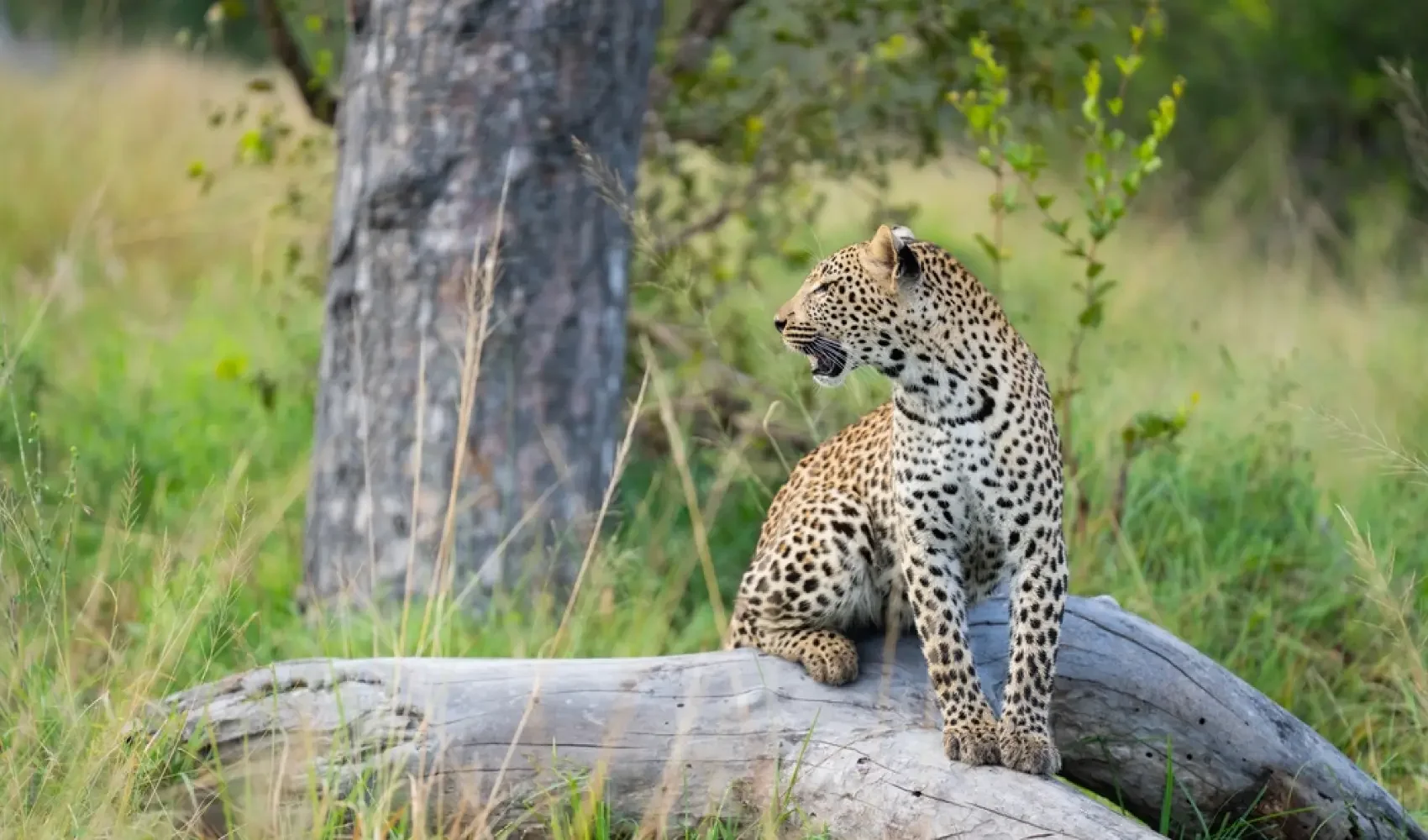
South Africa's Premier Luxury SafariSabi Sands Game Reserve
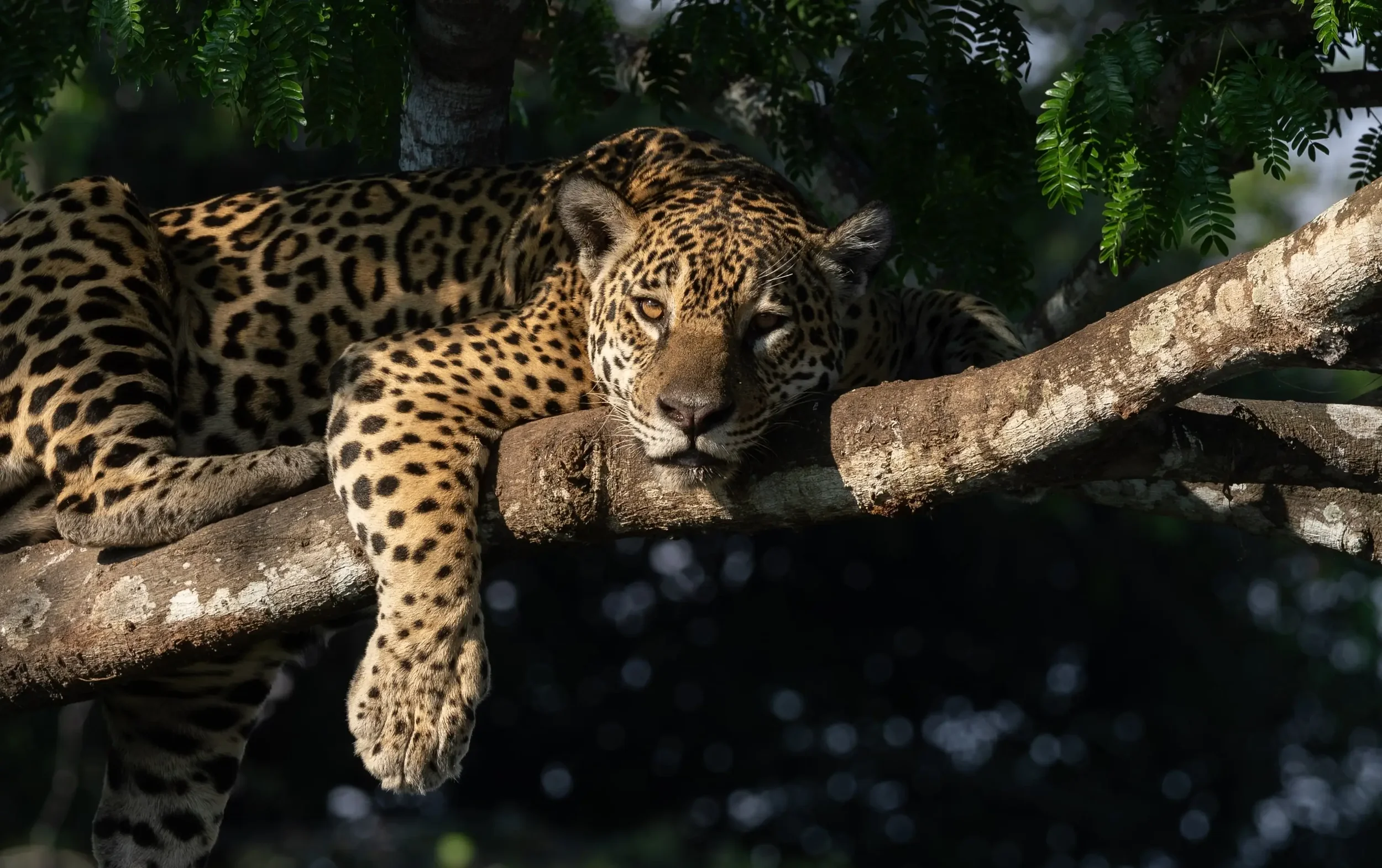
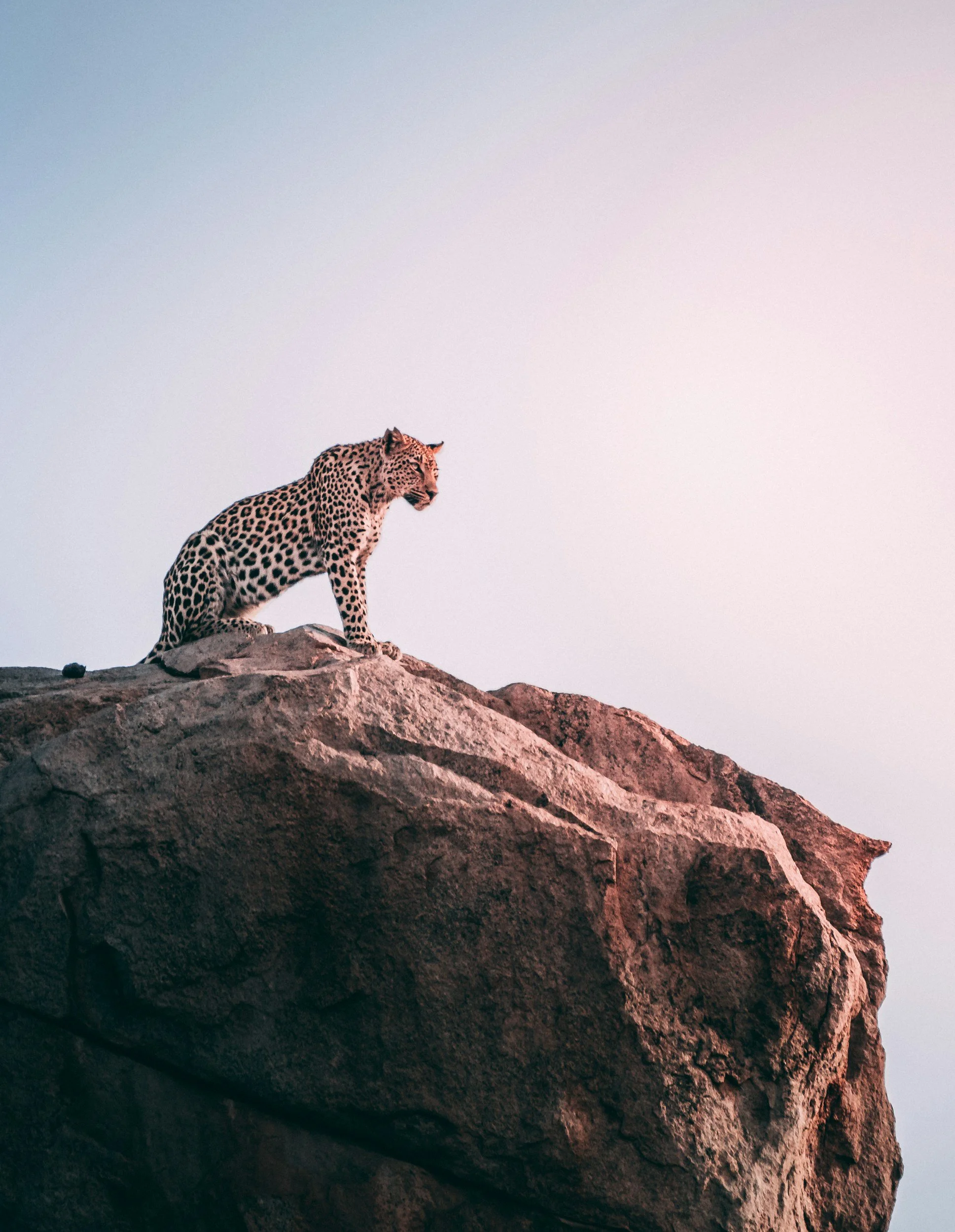
If South Africa has a beating heart for the discerning safari traveler, it’s the Sabi Sands. Sharing an unfenced border with the Greater Kruger area, this private reserve has spent decades quietly perfecting what a luxury South Africa safari can be - and it shows in every detail, from the off-road tracking privileges to the lodges that have set the global standard for bush hospitality. The wildlife here doesn’t read from a script, but the leopards have made the Sabi Sands famous for a reason: nowhere else on the continent are you more likely to spend an unhurried hour with one.
A bespoke South Africa safari in the Sabi Sands is built around small vehicles, expert trackers, and the freedom to leave the road when the moment calls for it. Mornings might mean following a coalition of male lions through the long grass; afternoons unfold around the lodge - a swim, a quiet read, a sundowner. For travelers who want the classic South Africa safari distilled to its finest version, the Sabi Sands remains, decades on, the place to do it.
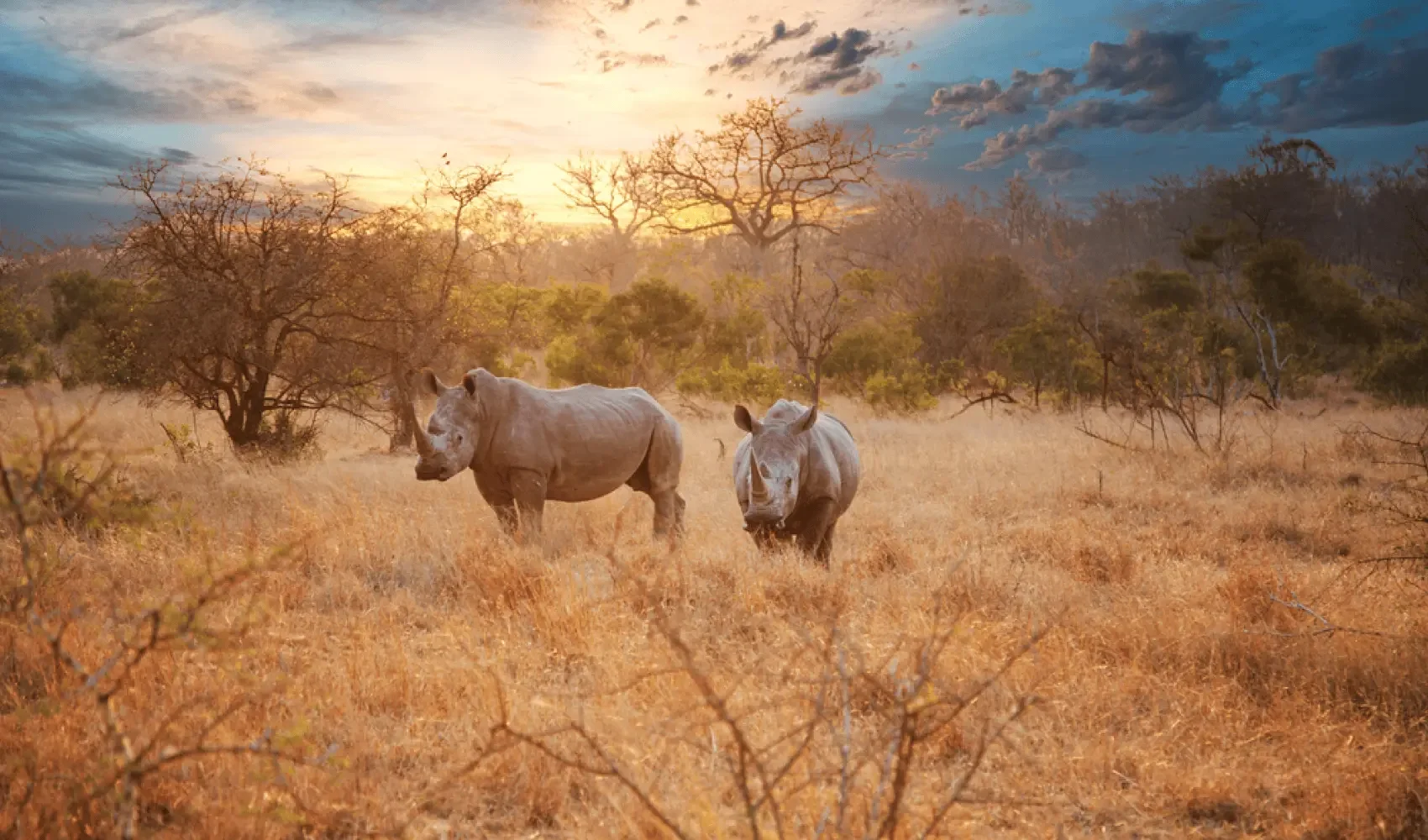
A Vast & Untamed WildernessKruger National Park
Kruger is the one most people picture when they imagine an African safari, and there’s a reason for that. At nearly 20,000 square kilometres, the Greater Kruger ecosystem is one of the most biodiverse wildlife landscapes on earth - a working, breathing wilderness where the Big Five roam alongside cheetah, wild dog, and more than 500 bird species. A bespoke South Africa safari tour through the Greater Kruger area means staying in the private concessions that ring the national park, where the wildlife moves freely but the crowds simply don’t reach.
What makes a luxury Kruger safari distinct is the sheer range of what’s possible. You can walk the bush with armed rangers on a guided trail, drift over the canopy in a hot air balloon, or spend three nights at a single lodge and still see something new each morning. For those building a comprehensive South Africa itinerary, the Greater Kruger area pairs effortlessly with Cape Town and the Winelands, or with a crossing into Botswana for a true Southern African safari journey.
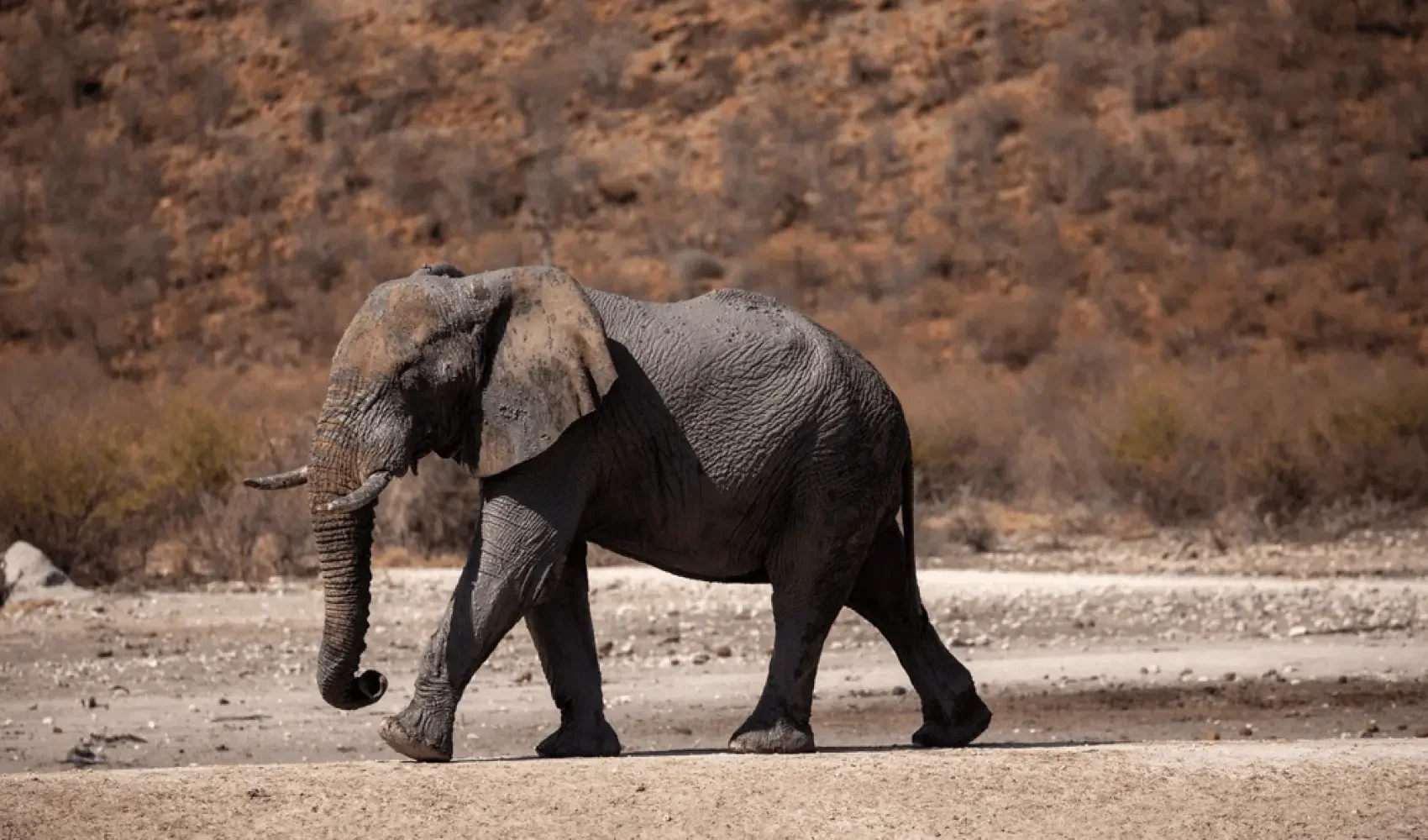
The Kalahari's Ultimate Wildlife HavenMadikwe Game Reserve
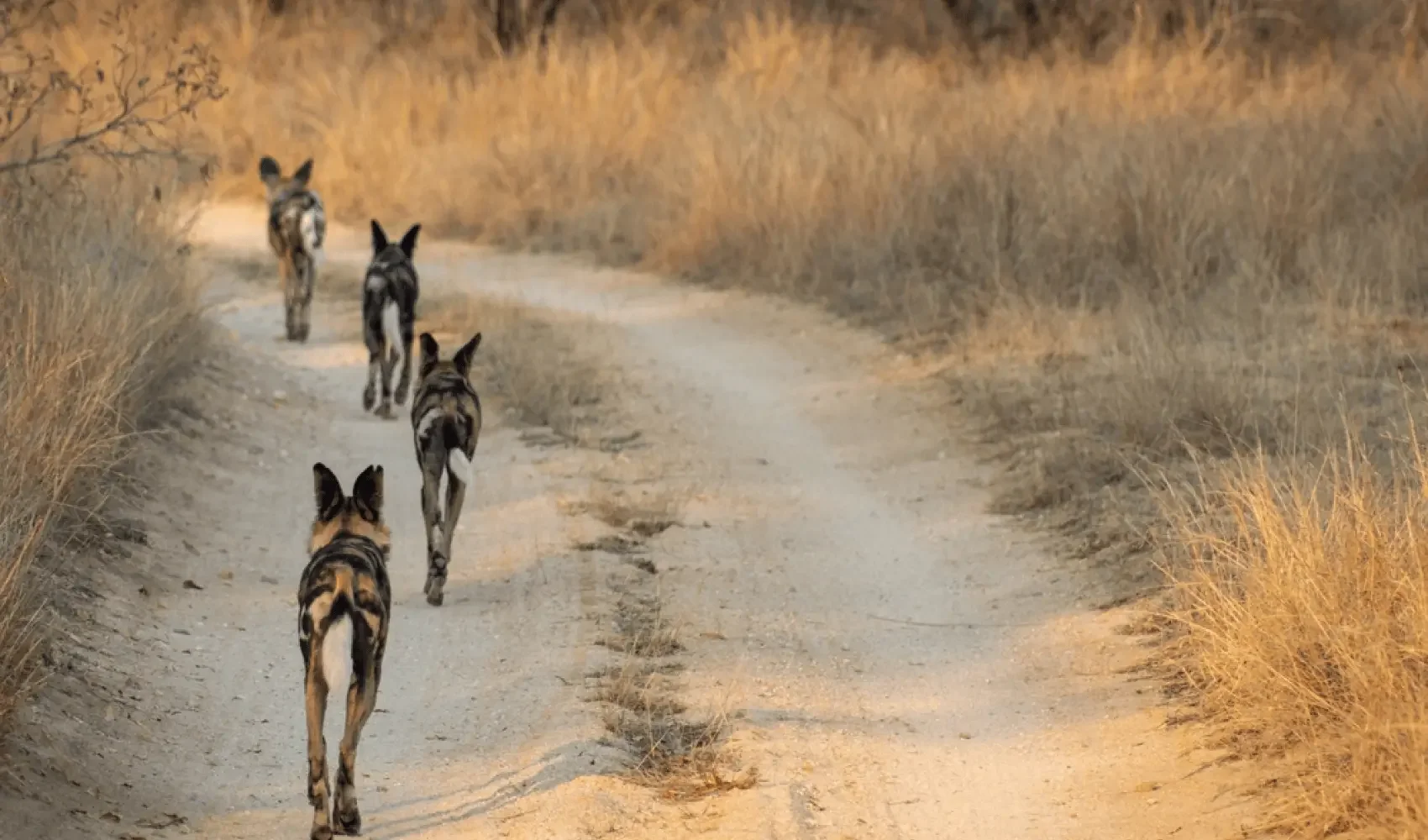
Tucked up against the Botswana border in the country’s far north-west, Madikwe is South Africa’s quiet luxury secret. It’s malaria-free, which makes it a natural fit for families and multi-generational trips, but to reduce it to that would miss the point. This is one of the largest game reserves in South Africa, and one of the few places where you can reliably see the Big Five alongside the rare and endangered African wild dog - a sighting that turns even seasoned safari-goers into wide-eyed first-timers.
A custom South Africa safari in Madikwe trades the polished theatre of the Sabi Sands for something more raw and elemental. The reserve is vast - more than 750 square kilometres of bushveld, rocky outcrops, and grassland - and the lodges here are designed for travelers who want to disappear into it for a few days. Children are welcomed and woven into the experience; couples find a quieter, more contemplative pace; everyone leaves with stories. It is, in many ways, the safari for travelers who think they’ve already done safari.
South Africa's Other WildernessThe Kalahari
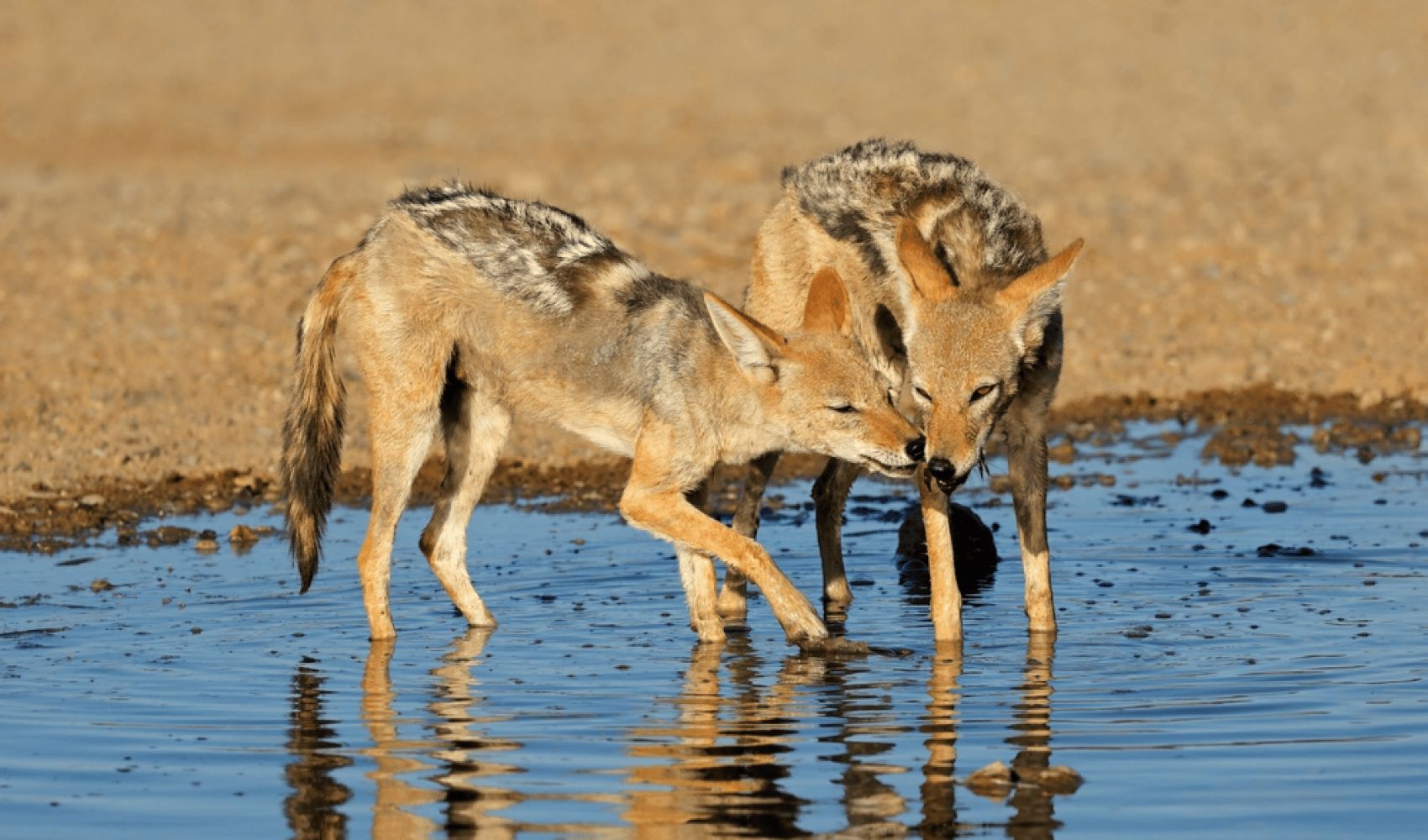
The Kalahari doesn’t look like a safari destination at first glance, and that’s precisely the point. Where the Sabi Sands deals in leopards and luxury and the Greater Kruger in sheer scale, the Kalahari offers something harder to package but just as compelling: space, silence, and a landscape that feels genuinely unlike anywhere else on earth. The red dunes, the silver-grey camelthorn trees, the light at the end of a long afternoon - this is South Africa at its most elemental, and the wildlife that has adapted to thrive here is unlike what you’ll find anywhere else in the country.
The Kgalagadi Transfrontier Park - spanning the border between South Africa and Botswana - is the beating heart of a Kalahari safari, and its particular draw is the predators. Lions here have developed darker manes and bolder temperaments. Cheetah are seen regularly in the open ground, hunting in full daylight. Black-maned males loping across red sand against a wide sky is the kind of image that photographs can’t quite hold.
Where Coastal Elegance Meets VineyardsCape Town & The Winelands
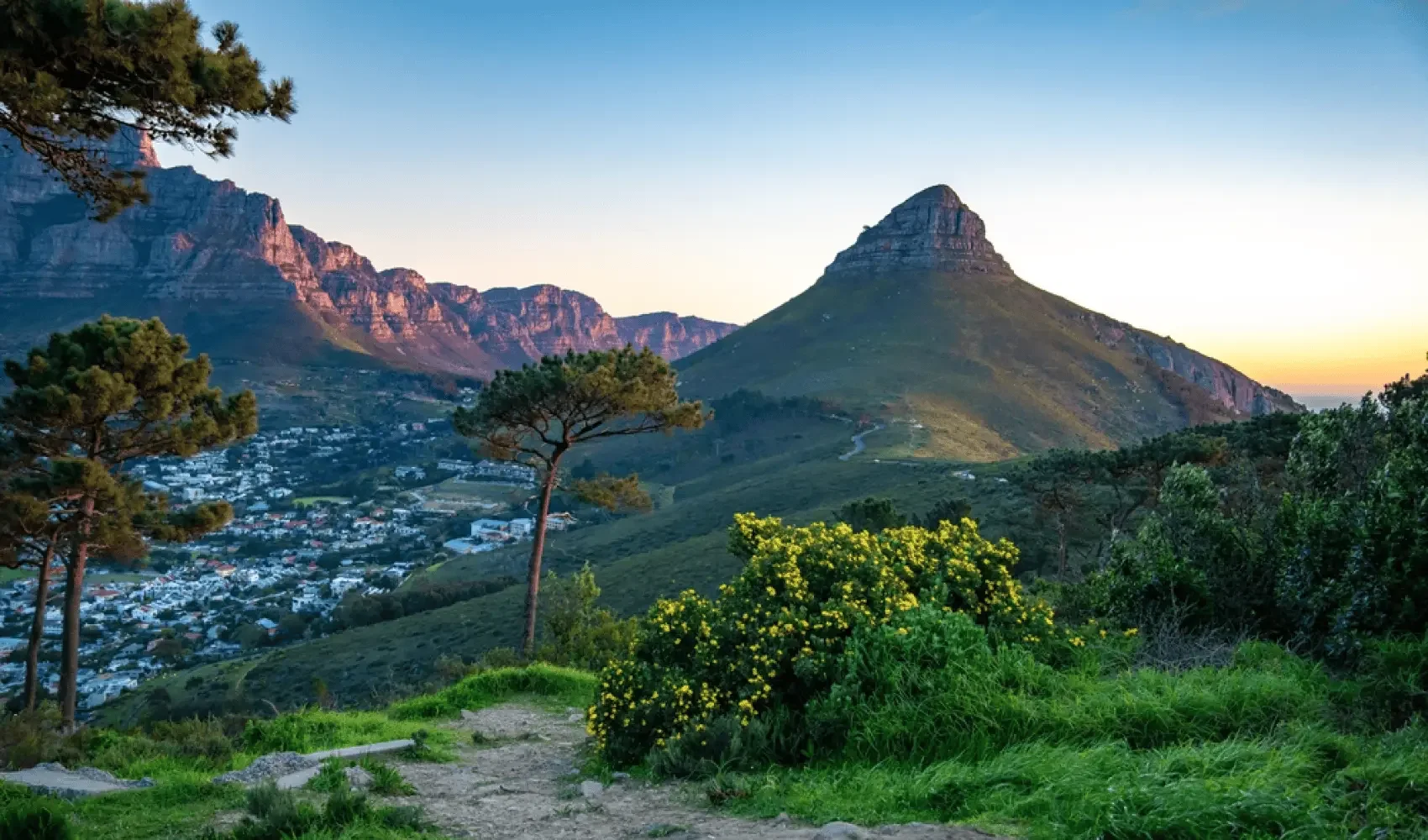
Few cities anywhere earn their place on a safari itinerary the way Cape Town does. This isn't a stopover - it's a destination in its own right, and for travelers building a considered South Africa journey, it's often the moment that lingers longest. The city wears its setting with a kind of effortless drama: Table Mountain behind you, the Atlantic ahead, and somewhere between the two, some of the finest food, wine, and hotel design on the continent, as well as top shelf theater, art galleries, historical walking tours, and museums A day or two here at either end of a safari changes the shape of a trip entirely.
An hour's drive east, the Winelands trade the ocean for mountain-framed valleys and a pace that asks nothing of you. Stellenbosch, Franschhoek, and Hemel-en-Aarde each have their own character - old Cape Dutch estates, boutique producers, restaurants that have drawn serious food travelers from across the world - but the common thread is a kind of quiet abundance. For those who want it, a private cellar visit and a long lunch at a winelands estate is as thoughtfully curated an experience as anything the safari lodges can offer.
Together, Cape Town and the Winelands give a South Africa itinerary its counterpoint - the cultural, the culinary, the coastal - before or after the bush takes over. It's a pairing that needs no justification once you've made it.
Our Top South Africa Safari Packages & Itineraries
Cape Town and Wine Country extension October 6-12
Cape Town and Wine Country land from $5,700
When to Visit South Africa for Safari
For over five decades, EWT has been the trusted guide for thousands of explorers seeking the ultimate African adventure. South Africa is one of the rare safari destinations that genuinely rewards travel year-round - but the kind of trip you’ll have shifts dramatically with the seasons, and the right window depends entirely on the rhythm you want to follow.
Whether you’re drawn to the dust-and-thorn drama of a winter safari in the Greater Kruger or the green, baby-animal abundance of summer in the bushveld, timing shapes everything from your sightings to the way the light falls at sundowner hour. We begin every bespoke South Africa safari with a conversation about what you most want to see and feel, ensuring you arrive in the right reserve at exactly the right time.
(May - September)
If your heart is set on the classic luxury South Africa safari experience, the dry winter months are your ideal window. As the bushveld thins and water sources shrink, wildlife is funnelled toward the rivers and waterholes - which means game viewing in the Sabi Sand, Greater Kruger, and Madikwe is at its most reliable and dramatic. Predator sightings climb, the foliage drops away to reveal what was hidden, and morning game drives begin under cool, crisp skies that photograph beautifully in the low golden light.
This is also a malaria-low period in the north-east, which makes it a sensible window for families and first-time safari travelers. Days are warm and sunny, evenings turn properly cold around the fire (a glass of South African red is non-negotiable), and the lack of rain means roads, airstrips, and bush walks are all at their easiest. While these months are considered peak season for a luxury South Africa safari vacation, the private reserves preserve a sense of exclusivity that the public parks of East Africa simply can't match - your sightings remain unhurried, and your vehicle is rarely sharing a moment with anyone else.
Dry Season
(October - April)
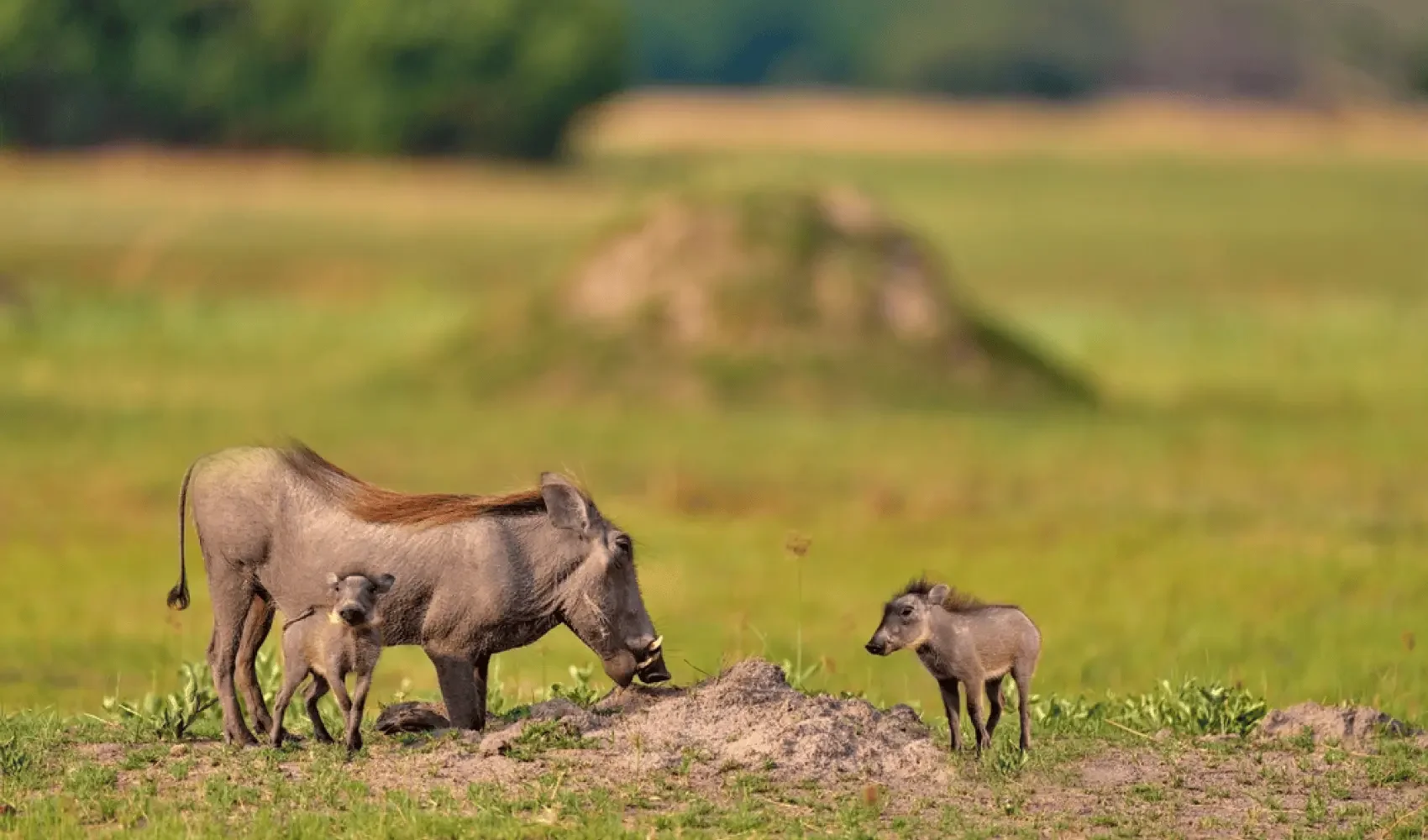
Often called the "Emerald" or "Green Season," this is the window for travelers who want their tailored South Africa safari to feel cinematic, dramatic, and a little wilder around the edges. The summer rains transform the bushveld into a deep, saturated green; afternoon thunderstorms roll in over the escarpment; and the landscape comes alive with newborn impala, kudu, and wildebeest - which in turn brings the predators into sharper focus. For photographers, the textured skies and lush backdrops produce images you simply can't capture in the dry months.
This is also the prime window for two distinctly South African experiences. In the Cape - if you're pairing your safari with Cape Town, the Winelands, or the Garden Route - this is high summer, with long, warm days perfect for coastal exploration and harvest season in the vineyards. And along the KwaZulu-Natal coast, the green months align with sea turtle nesting and hatching season, which slots beautifully into a Phinda or iSimangaliso extension. If you're seeking a custom South Africa safari defined by lush landscapes, fewer fellow travelers in camp, and the country at its most alive, the Green Season is a genuinely sophisticated choice.
Wet Season
Your Questions, Answered
-
We generally recommend a minimum of four nights in the bush to settle into the rhythm of safari life - two nights rarely feels like enough by the time you've travelled in. Most of our clients build a 10-14 day South Africa itinerary that pairs four to five nights of safari with Cape Town, the Winelands, or the Garden Route. For travelers who want to combine multiple reserves, two weeks gives you the space to move between, say, the Sabi Sands and Phinda without feeling rushed.
-
South Africa is one of the most established safari destinations in the world, and the private reserves and lodges we use operate to the highest standards of safety and security.
Travel between camps is typically by light aircraft or private transfer, and city stays in Cape Town and Johannesburg are arranged with vetted drivers and trusted neighbourhoods. We've been sending clients here for over five decades, and we plan every itinerary to keep the experience seamless from arrival to departure.
-
Yes - South Africa is one of the most reliable Big Five destinations on the continent. Lion, leopard, elephant, buffalo, and rhino are all present in the Greater Kruger, Sabi Sands, Madikwe, and Phinda, and on a four-night stay in any of these reserves you have an excellent chance of seeing all five. The Sabi Sands in particular is famous for its leopards, often considered the trickiest of the Big Five to find elsewhere in Africa.
-
This is one of the most popular itineraries we build, and for good reason - the contrast between bush and city is what makes a South Africa trip distinct.
A typical pairing is four to five nights in the Sabi Sand or Greater Kruger, followed by three to four nights in Cape Town with day trips to the Winelands and the Cape Peninsula. Internal flights are short and frequent, so the logistics are seamless.
-
The Garden Route works beautifully as a self-drive extension after Cape Town, particularly for travellers who want a slower-paced finish to their trip.
It pairs especially well with a safari in the Eastern Cape reserves (Addo, Kwandwe, Shamwari), which sit at the far end of the route - meaning you can drive coast-to-bush rather than flying back. We'll often build this as a 14-16 day itinerary for clients who want the full sweep of the country.
-
Absolutely - South Africa is one of the most family-friendly safari destinations in Africa. Madikwe and the Eastern Cape are malaria-free, and many of the lodges in these reserves run dedicated children's programmes (junior ranger experiences, tracking lessons, age-appropriate game drives).
Most lodges accept children from age six on game drives, with some welcoming younger guests in private vehicle arrangements. Tell us the ages of your travellers and we'll match you to the right lodge.
-
Most travelers from the US, UK, EU, Canada, and Australia can enter South Africa visa-free for stays of up to 90 days, with a valid passport that has at least two blank pages and six months' validity beyond your departure date.
Visa requirements do change, though, so we'll always confirm the current rules for your nationality as part of your booking.
Related Posts