Luxury Tanzania
Safaris & Tours
The Serengeti
Ngorongoro Crater
Tarangire
Zanzibar
Bespoke Wildlife Safari Tours in Tanzania
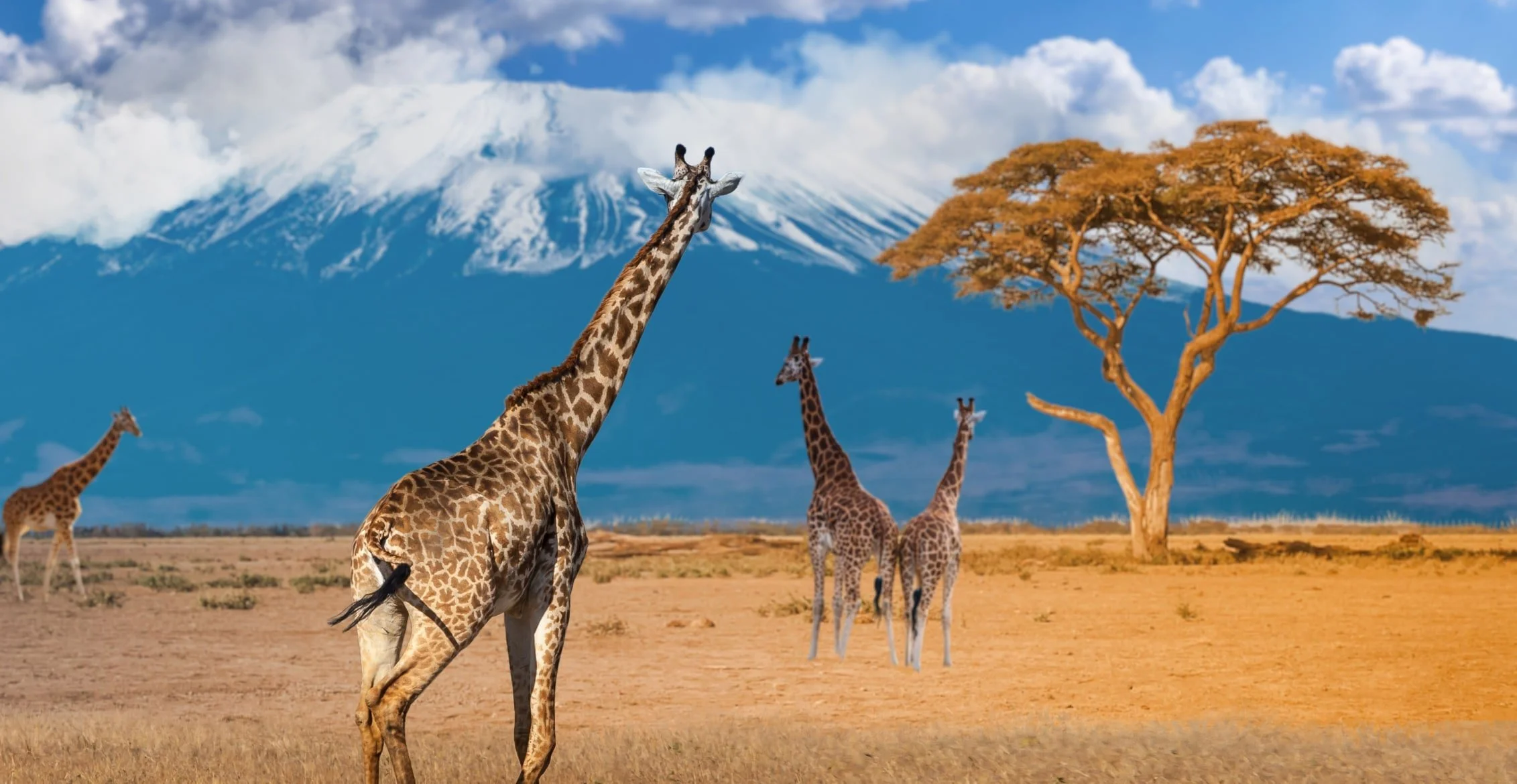
There is a specific kind of silence found only in the bush - a quiet so profound it allows you to hear the rhythmic pulse of the African wild. Our luxury Tanzania safari tours are designed for those who seek to immerse themselves in this ancient landscape without sacrificing the comforts of modern refinement.
We go beyond the traditional itinerary, acting as Tanzania luxury safari specialists who curate moments of genuine connection, from private sundowners on the rim of the Ngorongoro Crater to expert-led tracking of the Big Five. Every detail of your journey is handled with meticulous care, ensuring that your transition from the rugged savannah to a candlelit dinner under the stars is entirely seamless.
Where to Visit on Your Tanzania Safari
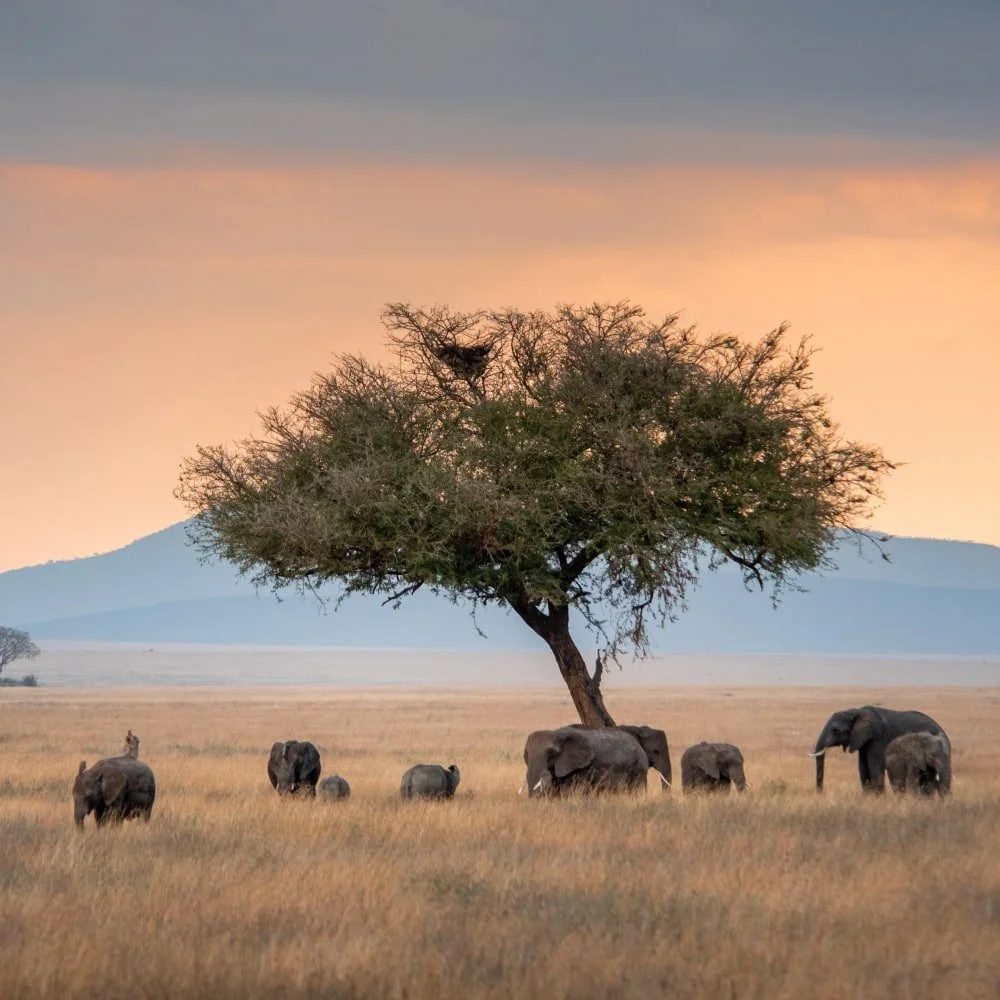
Infinite Horizons, Timeless WondersThe Serengeti
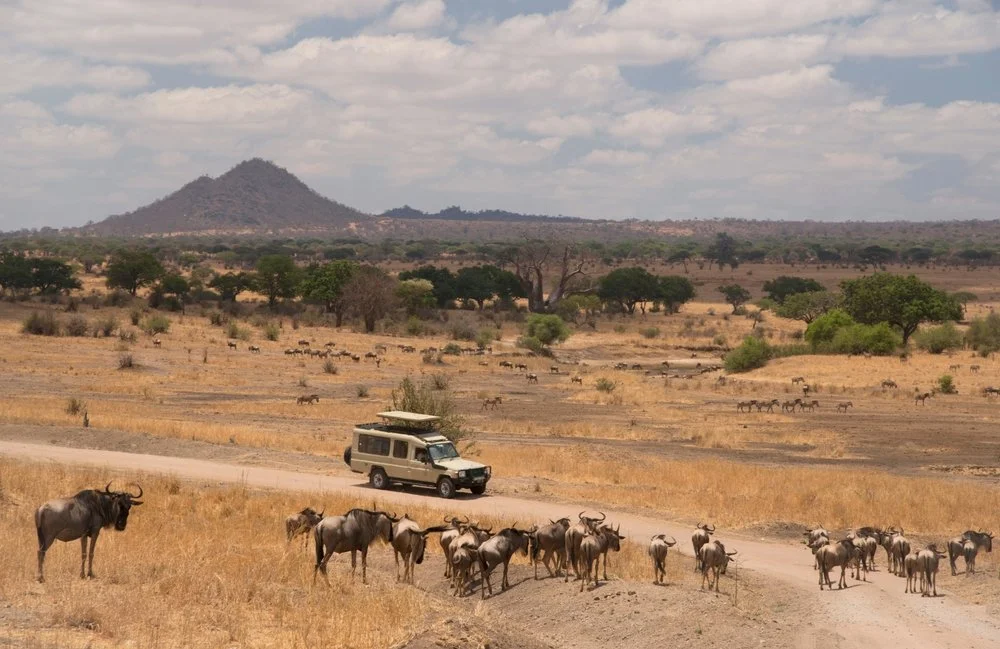
The stage for nature’s greatest spectacle, the Serengeti offers a vastness that is both humbling and exhilarating. What is called the “Serengeti” often refers to two protected, contiguous areas in Tanzania: the Serengeti National Park and the Ngorongoro Conservation Area. This is 9,000 square miles large, almost the size of Massachusetts. There is no other country in Africa with as large a single protected, unfenced game viewing area. There are more lion, leopard, cheetah other smaller cats, elephant, hippo, giraffe, zebra, and hartebeest than in any other African park.
The Serengeti blooms from December - June. This is when it has the most animals and birds. During the rest of the year, in the tension of the dry season, you’ll have a better chance of seeing predators in action here than anywhere else! Whether you’re gliding over the acacia-dotted horizon in a sunrise hot air balloon or enjoying a private candlelit dinner in the heart of the bush, the Serengeti provides a profound sense of connection to the wild.
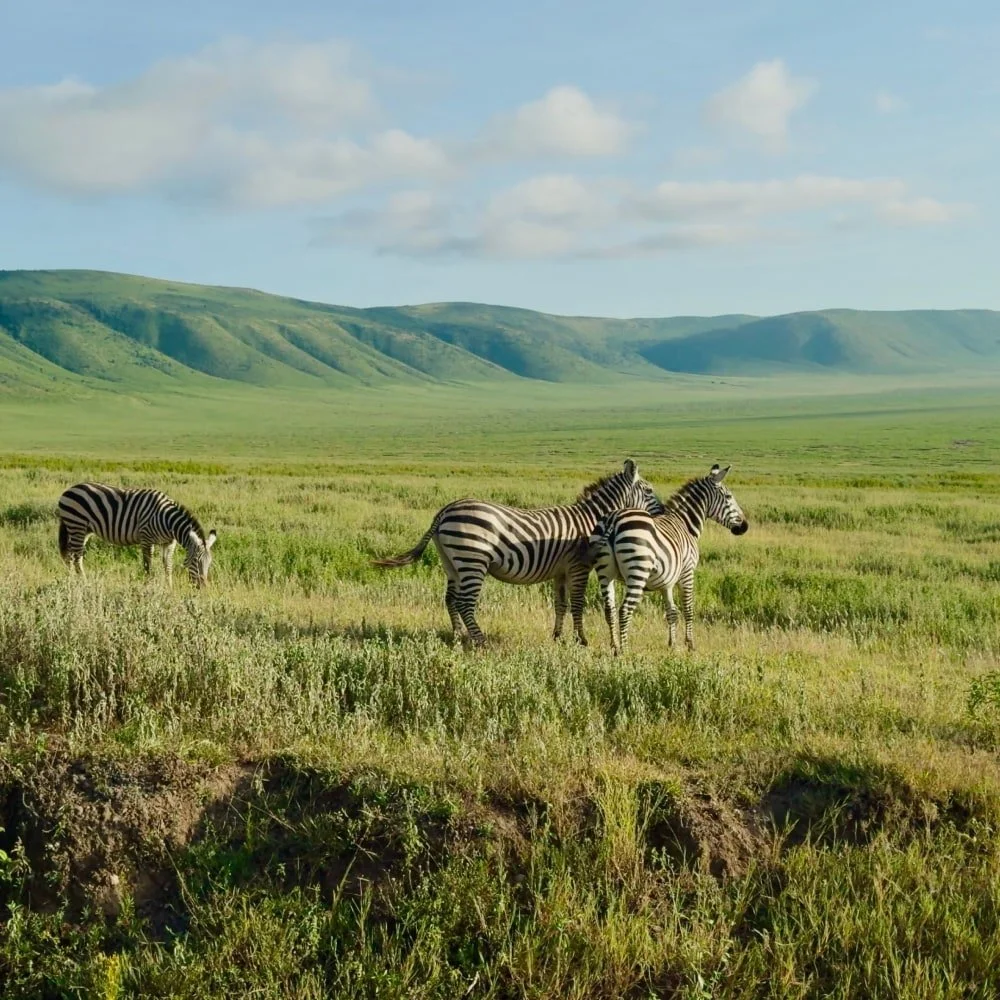
Africa's Own Natural MasterpieceThe Ngorongoro Crater
Ngorongoro Crater isn’t just a wildlife paradise! It’s seven volcanoes, one still active. As you descend, forests drenched in fog with lianas and towering trees on the rim give way to brilliantly sunny grassland plains in the volcanic calderas where so much wildlife thrives, including the only wild black rhino in Africa! This is the single most visited game viewing park in Africa.
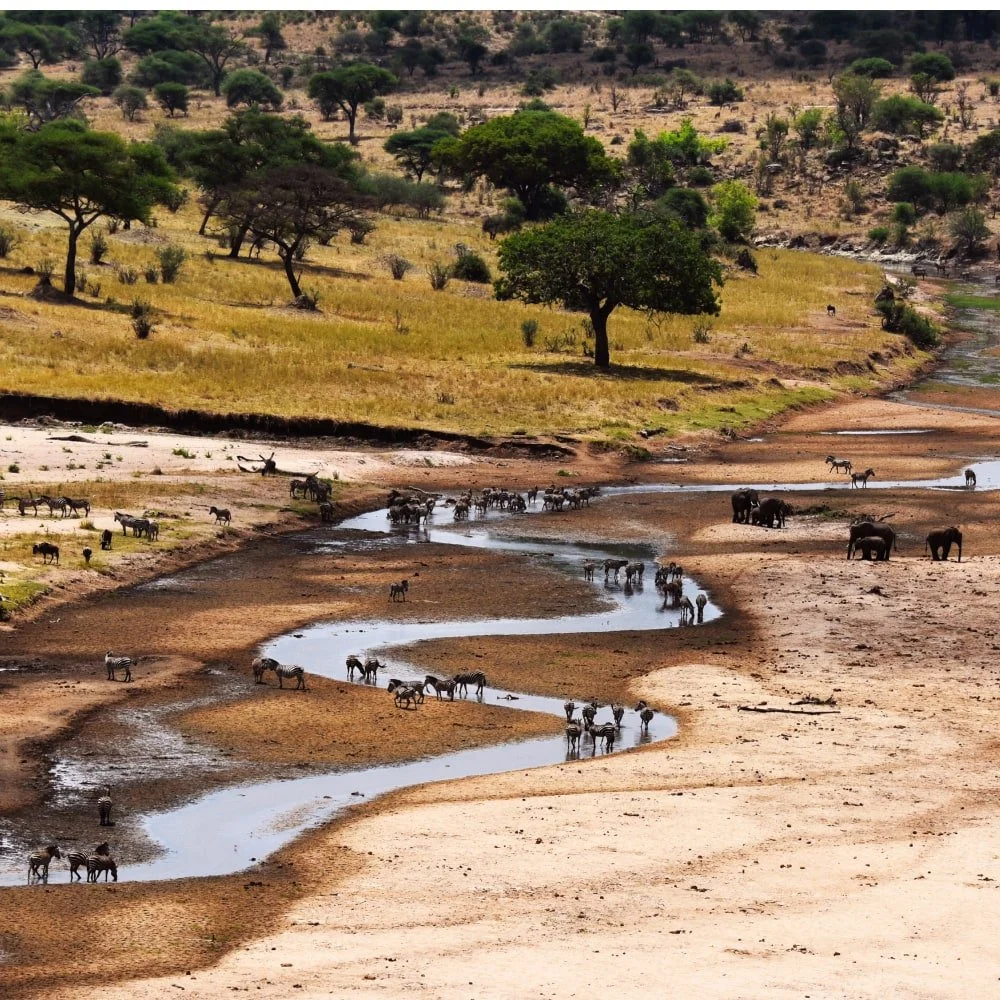
Land of Ancient GiantsTarangire
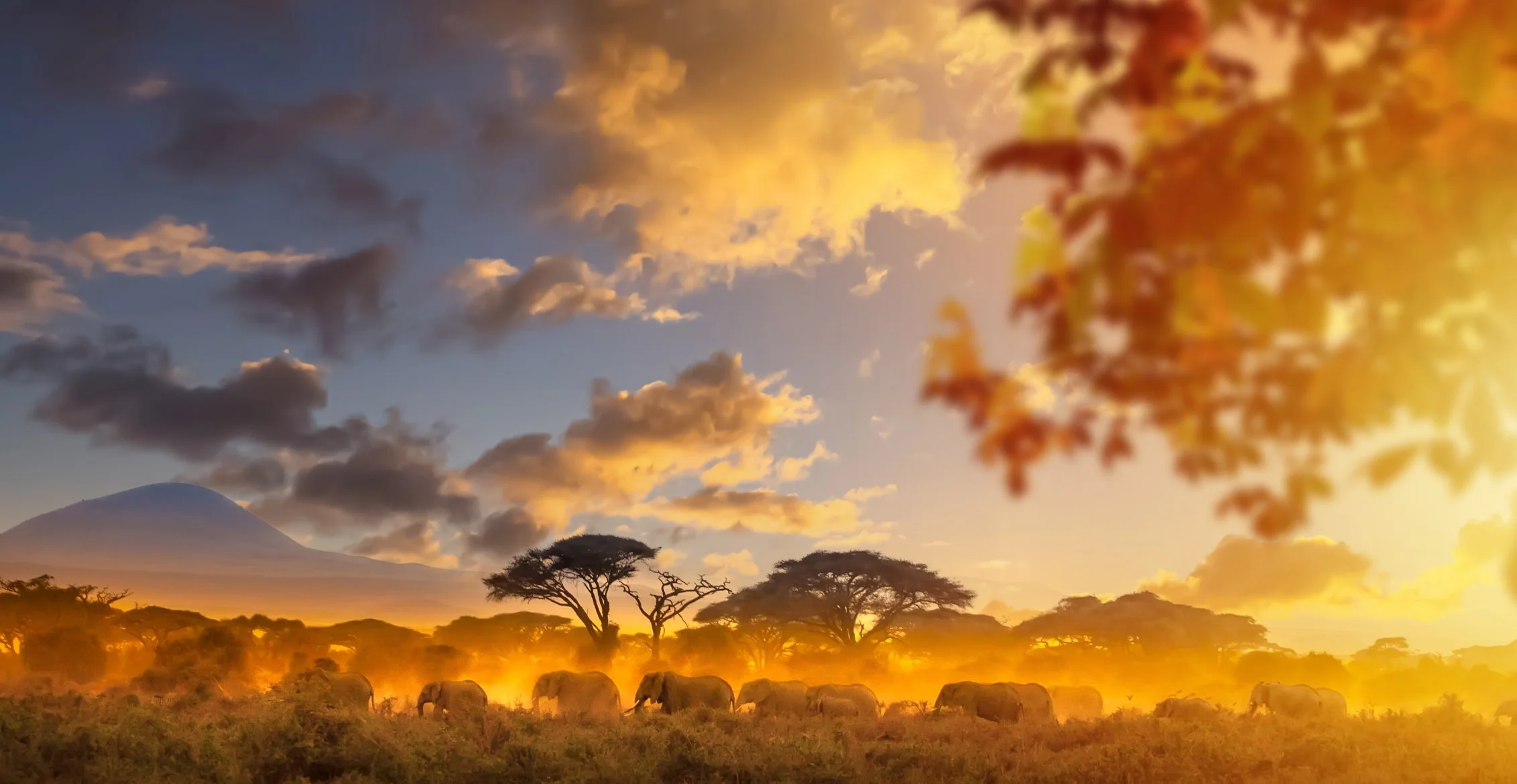
Unique in all of Africa, Tarangire National Park is famed for its sentinel-like baobab trees and wandering elephant empires. At times groups of more than 200 can be seen along the Tarangire sand river. Resting the furthest south of all the game viewing areas in northern Tanzania, the park’s ecosystem is more akin to a southern than East African park, giving those who include it on their itinerary a greater chance of seeing more different kinds of animals than in any other place in Africa!
Where Safari Meets SeaZanzibar
Zanzibar’s white sand beaches and radical tides provide a top-notch beach experience to be sure. But there’s a lot more to this island, because its history begins nearly a thousand years ago! Stone Town is more like an ancient Egyptian town than a modern East African city. The call-to-prayer resounds throughout its ancient walking streets. The city is surrounded by spice plantations. It’s where Abraham Lincoln sent the US’s first African ambassador and where the first telegraph line from Africa was strung northwards by the British two hundred years ago. So enjoy the sun and fun, but don’t miss Stone Town!
Our Top Tanzania Safari Packages

Great Migration Safari- Kenya and Tanzania with Zanzibar 2027
January 23- February 7, 2027 land from $16,840/person
When to Visit Tanzania for Safari
For more than a half century EWT has managed the safari requests from tens of thousands of travel adventurers focused on Tanzania as providing the greatest game viewing in Africa!
Historically, every single day on the calendar could be guaranteed to have an amazing, dramatic game viewing experience! But rapidly changing climate, complexities of travel and careful referral to Tanzania’s changing political calendar mean that there might be times to avoid. These change, so let’s start with a call to discuss the most important consideration of all: your schedule!
(October - May)
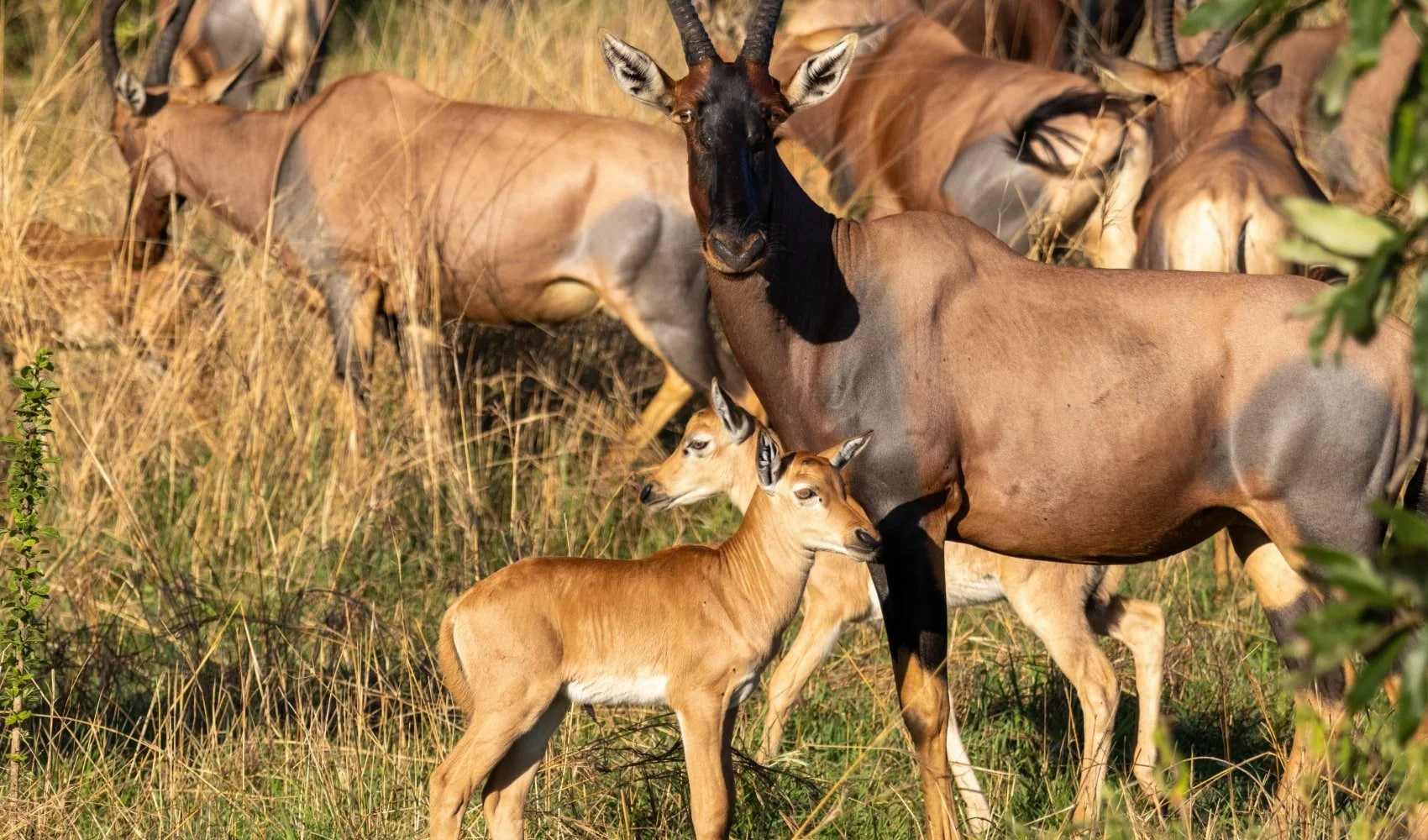
Historically there have been two main seasons in Tanzania: the “wet” season and the “dry” season. The great wildebeest migration is best experienced during the wet season because that’s when the millions of animals congregate together in known places to calve. It’s also the coolest time and the prettiest time with the veld covered with wildflowers and lots of blooming trees in the forest, and when you’ll see the most baby animals.
And even the afternoon thunderstorms during the most intense period of May don’t impede game viewing; weather doesn’t move on the equator- it builds during the morning, then breaks open in the afternoon for a few hours. Your guide simply surveys the endless skies in the morning and knows where not to go!
Wet Season
(June - September)
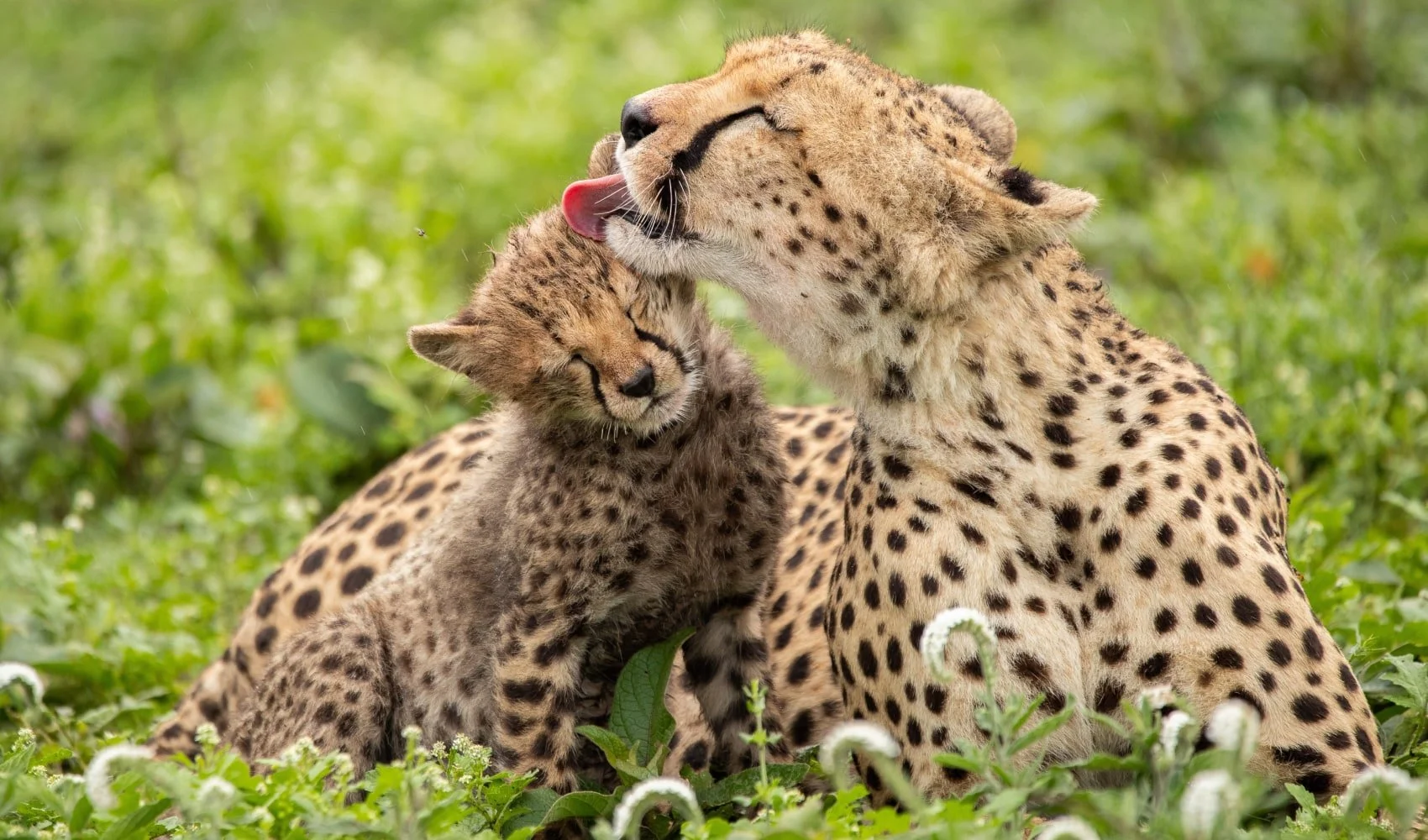
At any time of the year on virtually any game drive in Tanzania you’ll count more critters than on any day anywhere else in Africa! But when all the trees are leafless and the bushes have withered away, game viewing is a tad easier. It’s also easier for the predators to find their meals!
So the dry season is when you’ll see the most cats. During the start of the dry season in June, you might even be lucky enough to see the great herds migrating! This is when they’re leaving the dried out plains for the rains that fall almost daily in Kenya year-round, heading to their northern grazelands. They don’t walk; they stampede! But at the height of the dry season, late August through September, be prepared for lots of dust and hotter temperatures.
Dry Season
Your Questions, Answered
-
The "golden window" is the long dry season from June to October. This is the best time to visit Tanzania for safari if you want to see the Great Migration river crossings (peak is usually August and September) and enjoy easy wildlife spotting as animals gather at waterholes.
However, January and February are also incredible for the calving season in the southern Serengeti, offering lush landscapes and high predator action.
-
Most physicians recommend recommend being up-to-date on routine vaccinations like MMR, Tetanus, Polio, Hepatitis A, B, C, and Typhoid/Diptheria.
The CDC recommends against getting a cholera vaccination, and while no requirements exist from either country regarding Monkey Pox, signs currently erected in the arrivals hall of Kilimanjaro airport in northern Tanzania warn visitors that the disease exists in the country and urges them to become vaccinated.
A Yellow Fever certificate, or approved waiver, is legally required if you are arriving from a country with a risk of transmission (this often includes layovers in certain African or South American hubs).
Additionally, because most luxury Tanzania safari tours take place in malaria-risk zones, taking a prophylactic is a standard precaution.
-
Tipping is a deeply appreciated part of safari culture. For a private luxury safari in Tanzania, a standard guideline is $15-$20 per person, per day for your driver-guide. Tips are preferred in local currency and should be given at the end of your journey.
If you are traveling as part of a Guided Signature Group Tour,your tips are included in the price of your safari.
-
Most luxury safari lodges in Tanzania provide Wi-Fi, usually in the main lounge or library areas.
However, remember that this is "bush Wi-Fi" powered by satellite - it’s perfect for sending a few photos or checking emails, but not reliable for video streaming or large downloads.
We often find that our guests come to appreciate this "digital detox," allowing the sounds of the Serengeti to replace the ping of notifications.
-
For the best luxury safari in Tanzania, we recommend booking 9 to 12 months in advance. The most iconic, intimate camps - especially those positioned perfectly for the Great Migration river crossings - have very limited capacity (often just 6 to 10 tents) and sell out quickly.
If you are planning a festive season or mid-year migration trip, early planning is the only way to ensure you secure the most exclusive locations.
Explore Other East Africa Destinations
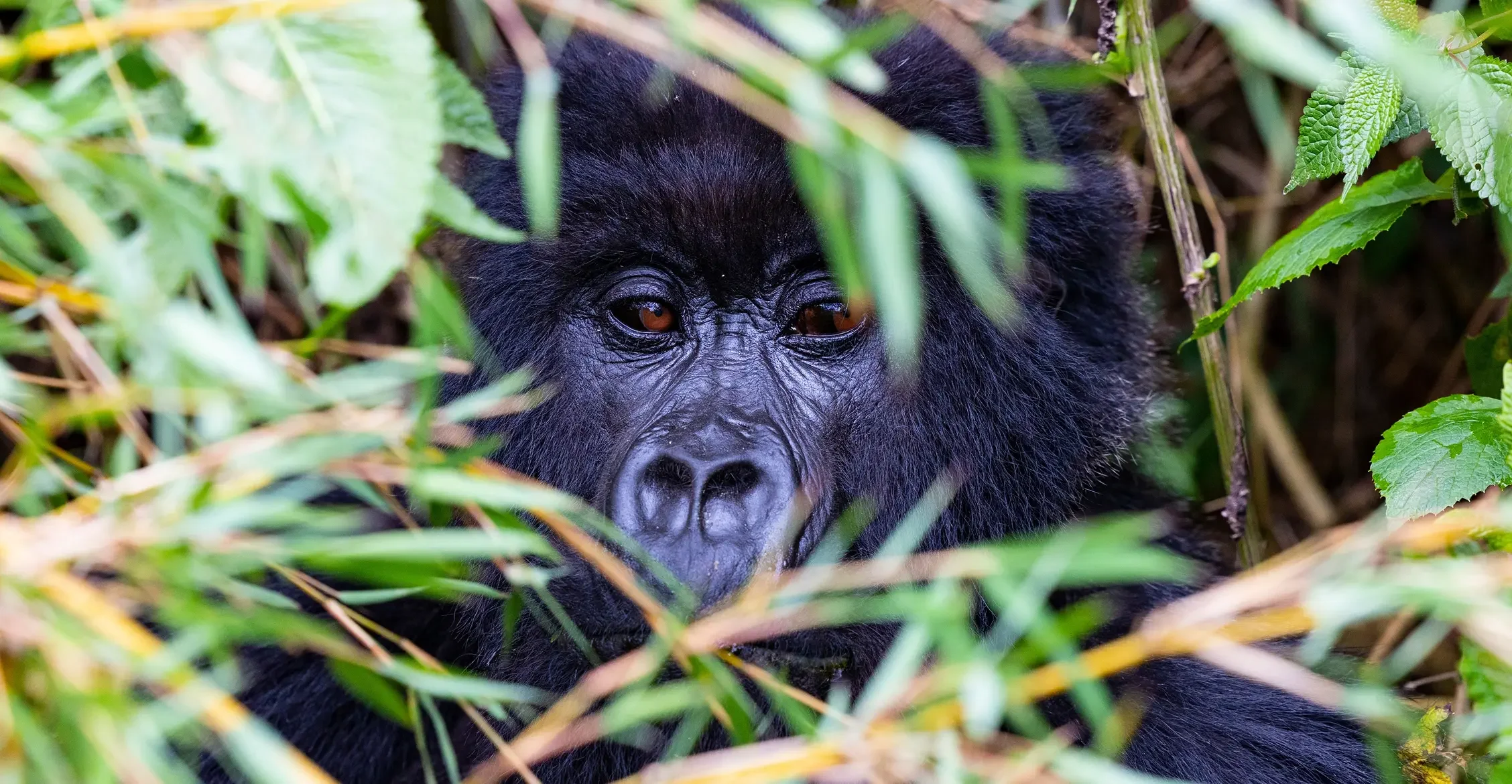
Trek to the mountain gorillas of Volcanoes National Park and explore the misty Land of a Thousand Hills.
Track the Big Five across the Maasai Mara and witness the river crossings.
Related Posts