Luxury Brazil Tours & Vacations
Rio de Janeiro
The Amazon
The Pantanal
Iguazu Falls
Salvador & Bahia
Bespoke & Private Tours in Brazil
Rio de Janeiro is the only place outside Europe to have served as a European capital. In 1808, with Napoleon’s army marching on Lisbon, the Portuguese court boarded ship and ran for Brazil - and for the next thirteen years a colony governed its own empire from the far side of the Atlantic. While Spanish South America fought itself into a dozen separate republics, Brazil came through the century whole. That accident of history has compounded into something no other country on the continent can offer: one nation, one language, and the variety of a dozen - where the Amazon, the Pantanal, Iguazu and 4,600 miles of Atlantic coast are all domestic travel.
For over 45 years, Explorers World Travel has built bespoke, private tours in Brazil for travelers who want the country behind the postcard. A luxury Brazil vacation with us might open in Rio, move north to Salvador for Bahian cooking and drumming that runs past midnight, and finish on a blackwater tributary of the Amazon where the forest gets louder as the light goes - but every itinerary is built from scratch, and every lodge is chosen because we've stayed in it ourselves.
Where to Visit in Brazil
The City with a Rainforest in ItRio de Janeiro & the Atlantic Coast
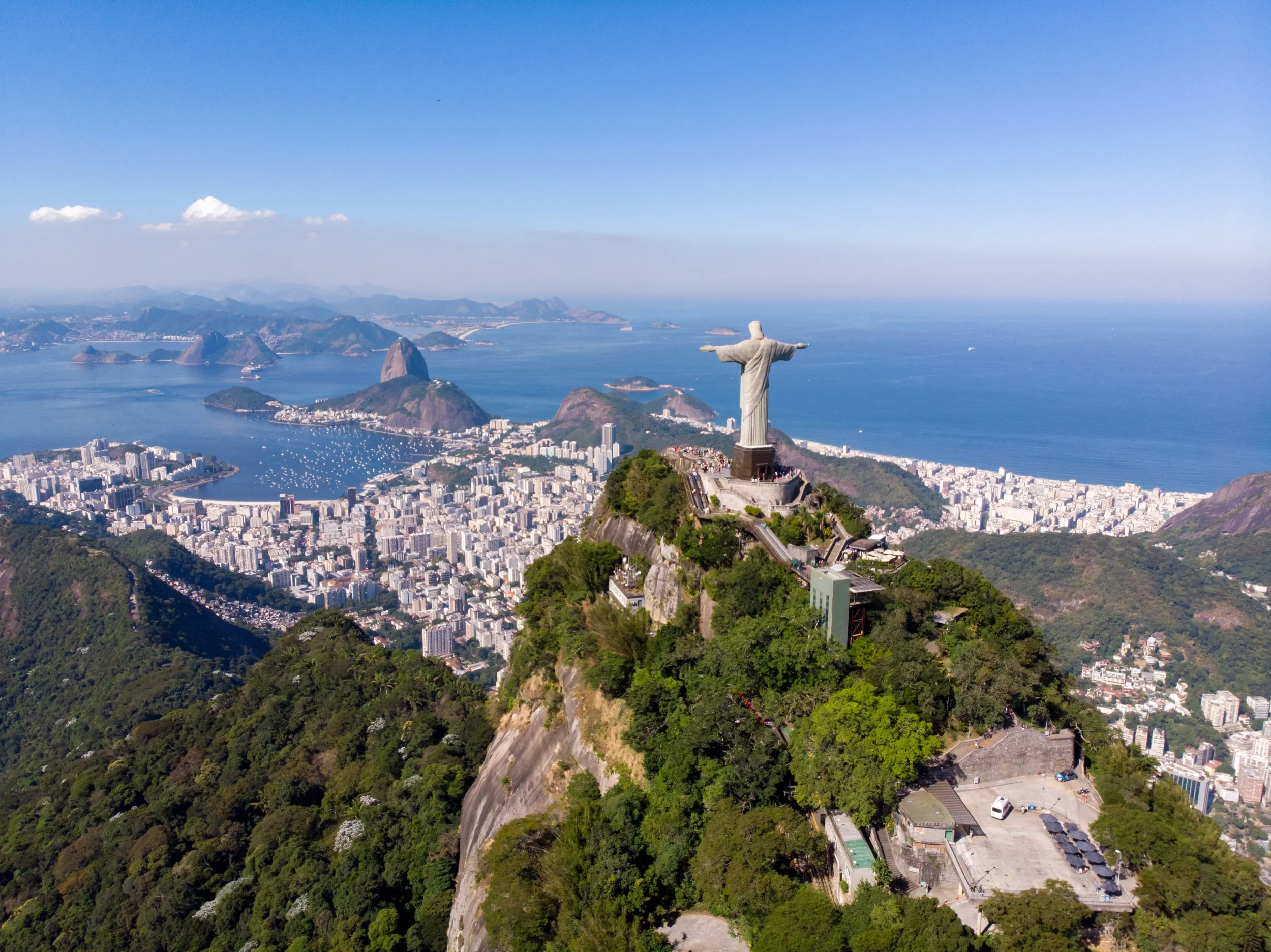
Tijuca was clear-cut for coffee in the 1800s and replanted by hand from 1861 - some 220,000 Atlantic Forest seedlings, put in one at a time - and it now runs through the middle of the city as a national park with monkeys, toucans and waterfalls twenty minutes from Ipanema. In 2012 UNESCO inscribed the whole arrangement, mountains and sea and city together, as the first urban site ever listed as a cultural landscape.
The famous things are famous for good reason. Christ the Redeemer stands 98 feet tall on a peak of 2,330 feet; the Sugarloaf cable car has been running since 1912 and was only the third in the world. South of the city, the Costa Verde runs down to Paraty - a Portuguese port town of cobbled streets and 18th-century warehouses, listed by UNESCO in 2019 as Brazil's first mixed cultural and natural World Heritage Site. Further north, Bahia's coast at Trancoso trades the drama for wide empty sand and a grass square with a whitewashed church on it. And 220 miles offshore, Fernando de Noronha caps its own visitor numbers by law - which is why the diving there still looks the way it does.
The River that Rises Fifty FeetThe Amazon
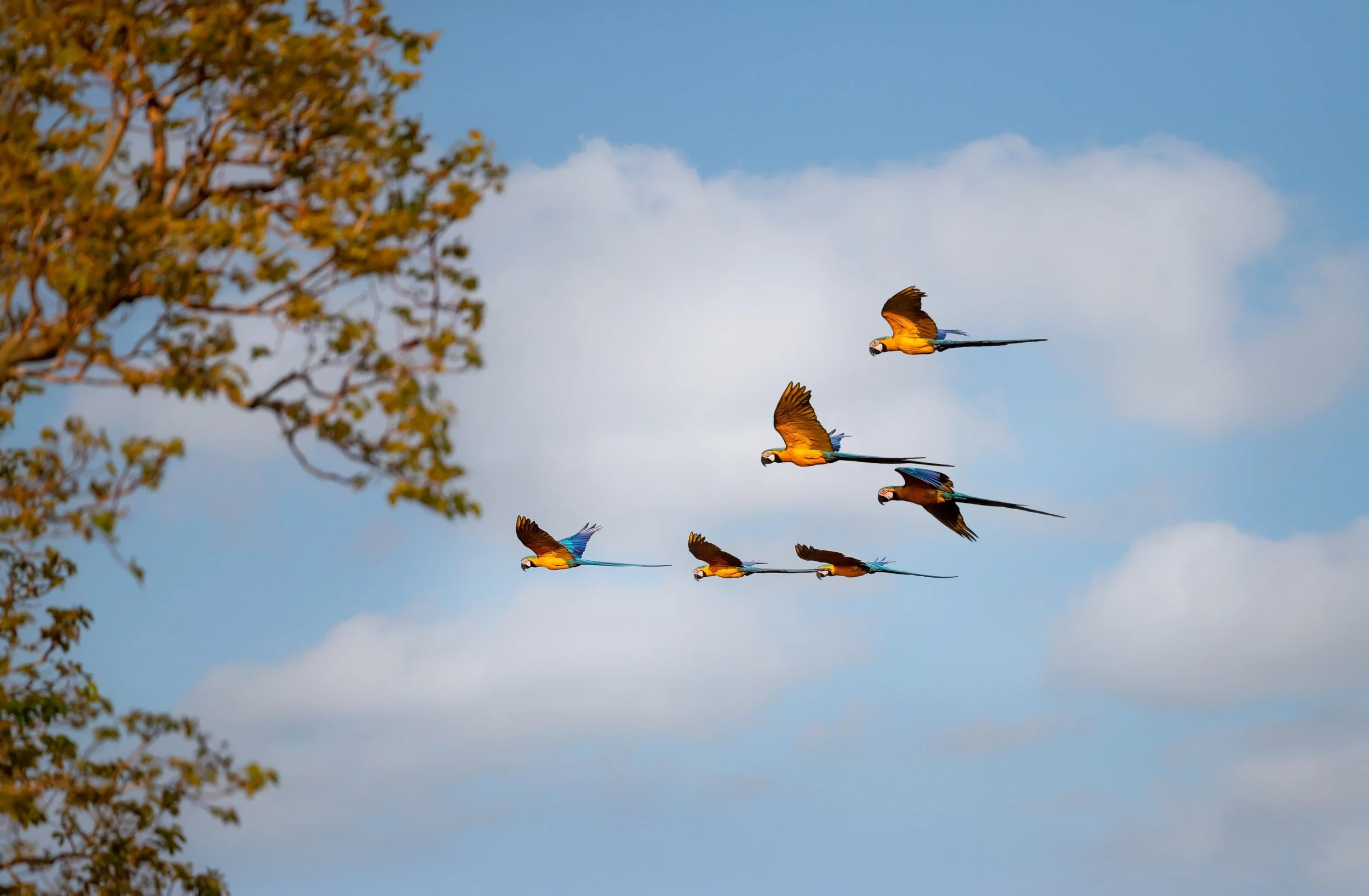
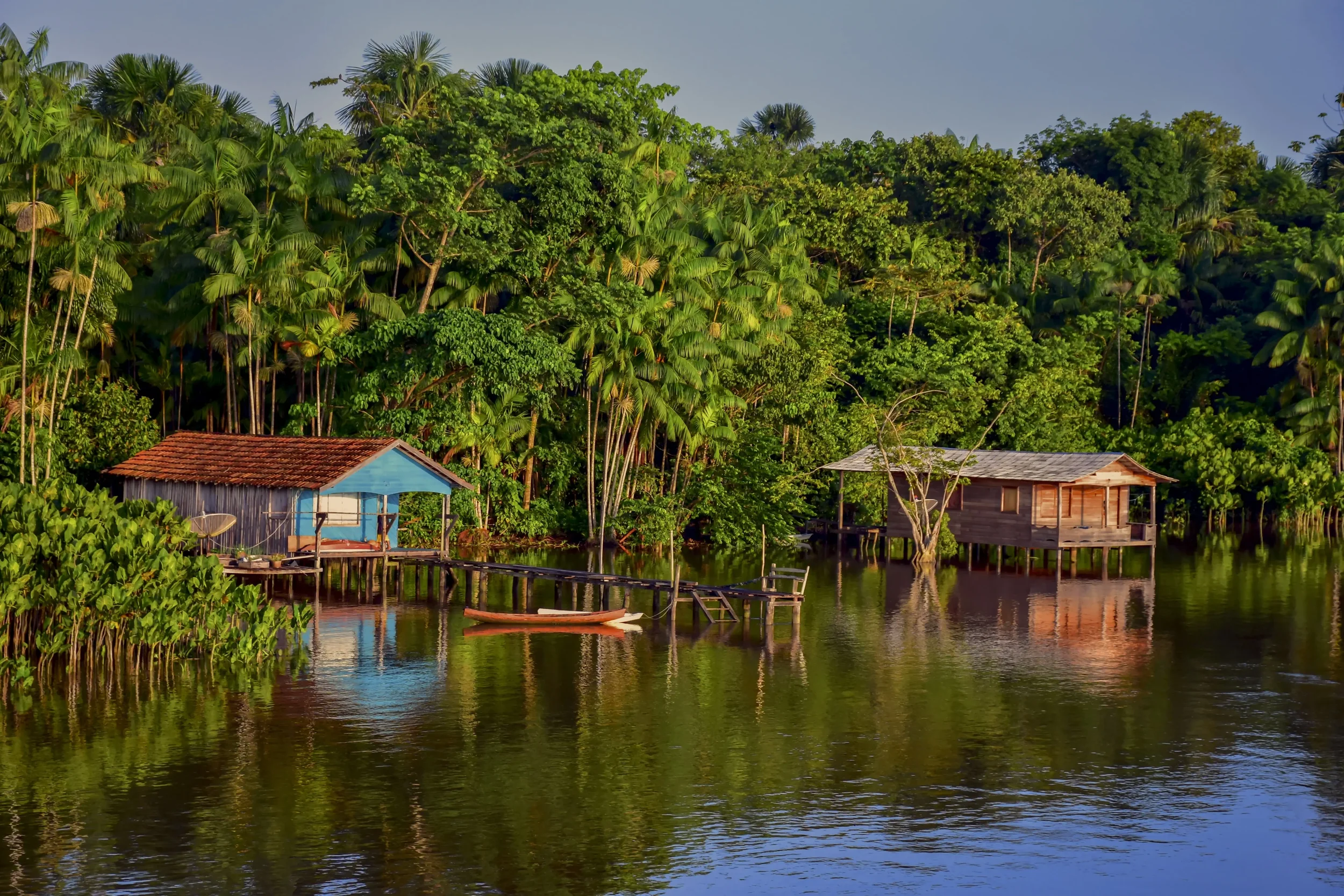
The Amazon has two seasons, and they are effectively two different destinations. The Rio Negro at Manaus rises and falls by 30 to 50 feet a year - a swing that would put a four-story building underwater. Between roughly May and July the river is high and you travel by canoe through the flooded forest, level with the canopy, in among branches that spend half the year in open air. From September to November it drops away and white sand beaches appear, trails open up, and wildlife concentrates along the shrinking channels.
The obvious starting point is Manaus, about four hours' flying from São Paulo, where the Rio Negro and the sediment-brown Solimões run side by side for more than four miles without mixing - a function of temperature, speed and density rather than any trick of the light. Upriver lies Anavilhanas, an archipelago of some 400 islands strung along 80 miles of the Negro. Further west, the Mamirauá Reserve protects 2.7 million acres of flooded forest and the endemic white uakari, a monkey with a bald crimson face that exists nowhere else. In the southern Amazon, Cristalino's two canopy towers stand 165 feet up in a forest with a bird list approaching 600 species.
Where Brazil Keeps its JaguarsThe Pantanal
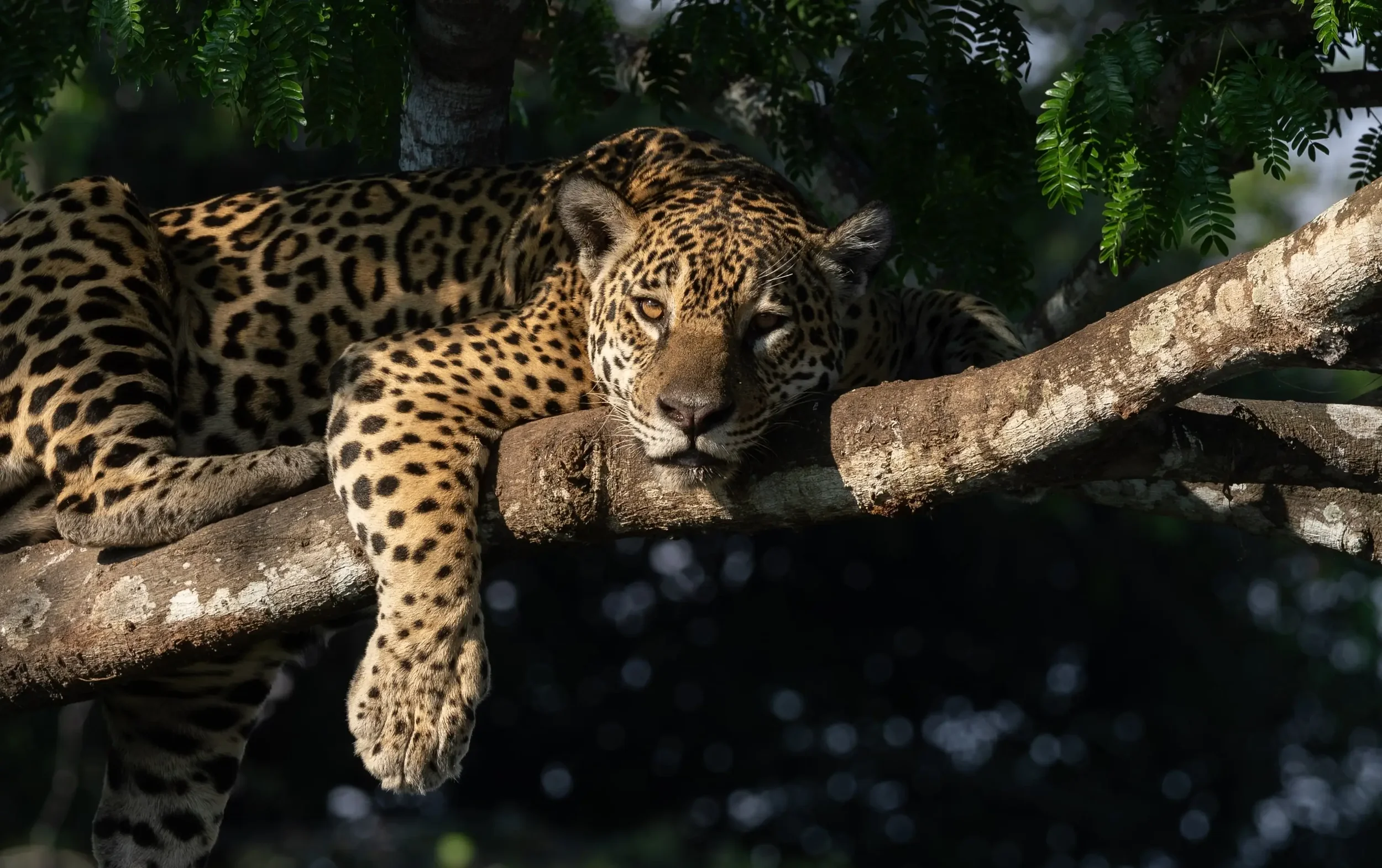
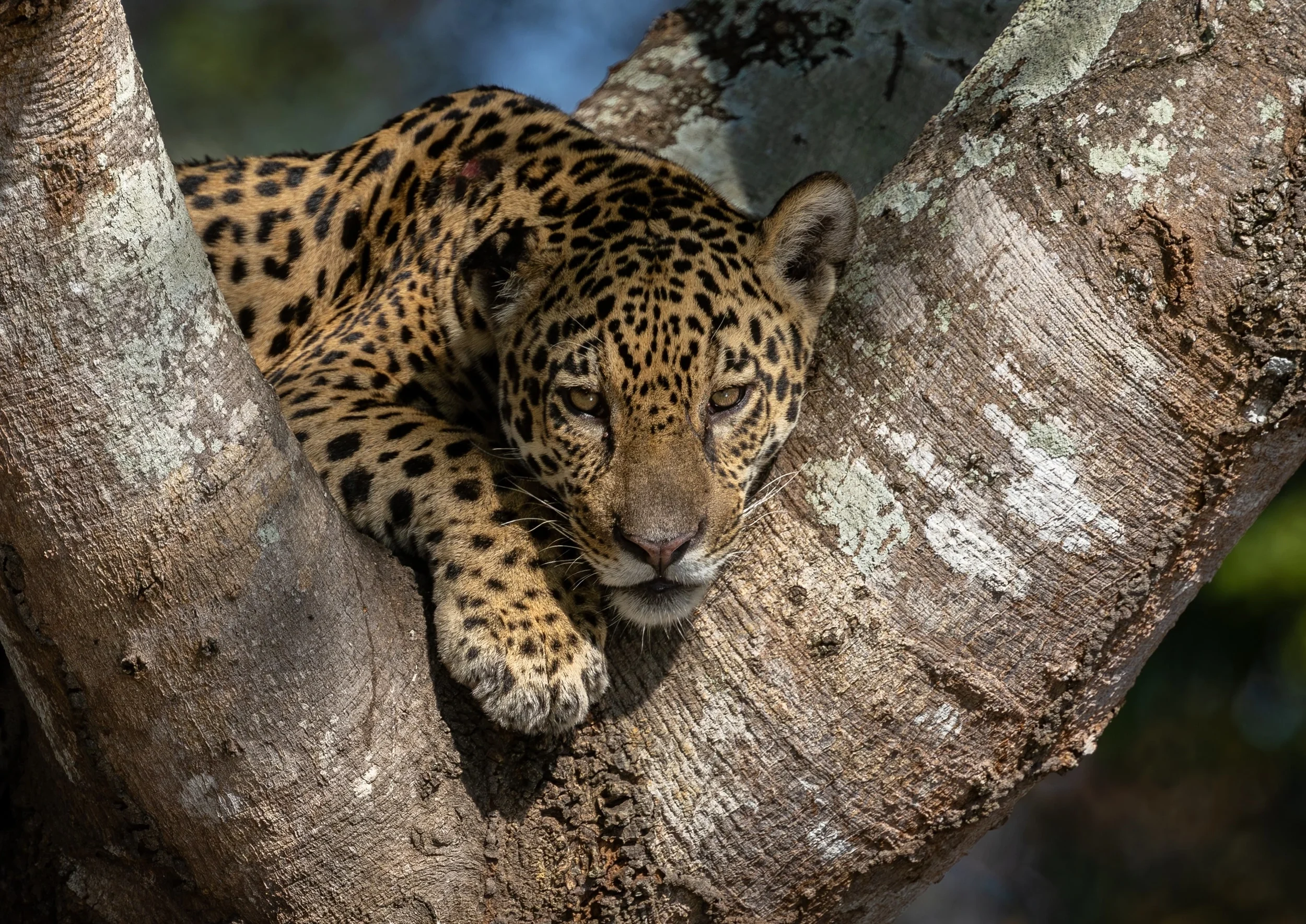
Ask most travelers where to see wildlife in Brazil and they'll say the Amazon. Ask a field biologist and they'll say the Pantanal. The world's largest tropical wetland - roughly 60,000 square miles, UNESCO-listed as a World Heritage Site since 2000 - holds around 700 bird species, 90 mammals, and the most reliable wild jaguar viewing anywhere on earth.
Scientists have been studying wild jaguars here longer than anywhere else on earth. In 1977 George Schaller came to the Pantanal to run the first field study of jaguars ever attempted, radio-collaring two females over the following year - the first time telemetry had been used on a cat in Brazil - and the Brazilian biologist Peter Crawshaw, who joined him in 1978, gave the next four decades to the work. Nearly fifty years of that is why the guides here can often tell you which individual jaguar you're looking at.
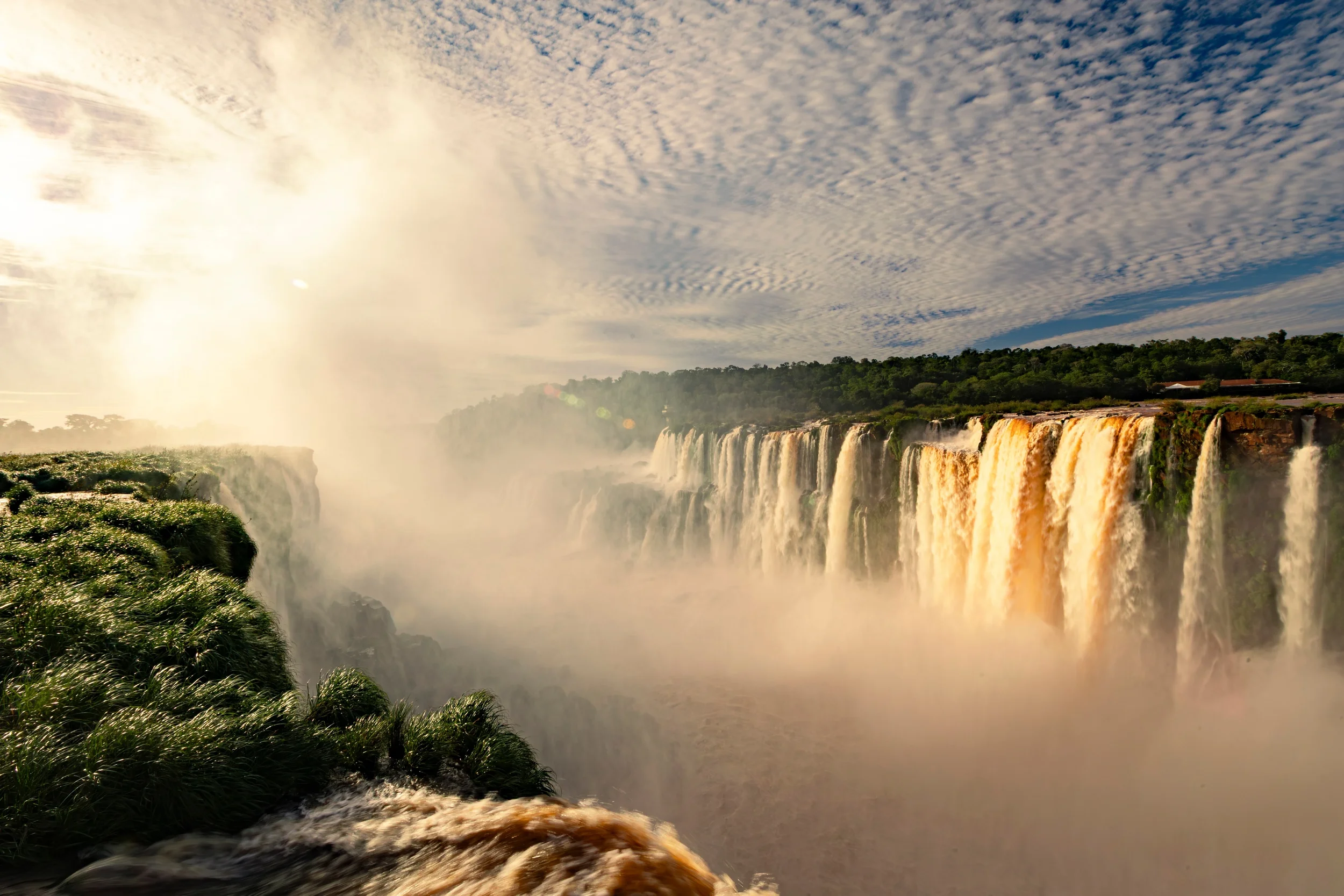
275 Waterfalls, Two CountriesIguazu Falls
Iguazu isn't a waterfall. It's 275 of them, spread across nearly two miles of river, dropping between 200 and 270 feet - and the reason photographs never quite work is that no single frame contains it.
The falls are UNESCO-listed as a World Heritage site twice, once on each side of the border: Argentina in 1984, Brazil in 1986. Brazil holds about a fifth of the cataracts and nearly all of the panorama - a single walkway that delivers the full frontal view and a catwalk that puts you underneath the Devil's Throat, the 270-foot chasm that takes roughly half the river. Argentina holds the other four-fifths and gives you immersion instead: circuits at the lip, a train to a balcony directly over the drop, an island in the middle of the river.
You need both. Anyone who tells you one side is enough is saving themselves a border crossing. We build in a full day on the Argentine side and a half day on the Brazilian, and handle the paperwork in between. Flow peaks between December and March; March to April and September to October give you the best balance of volume, temperature and space to move.
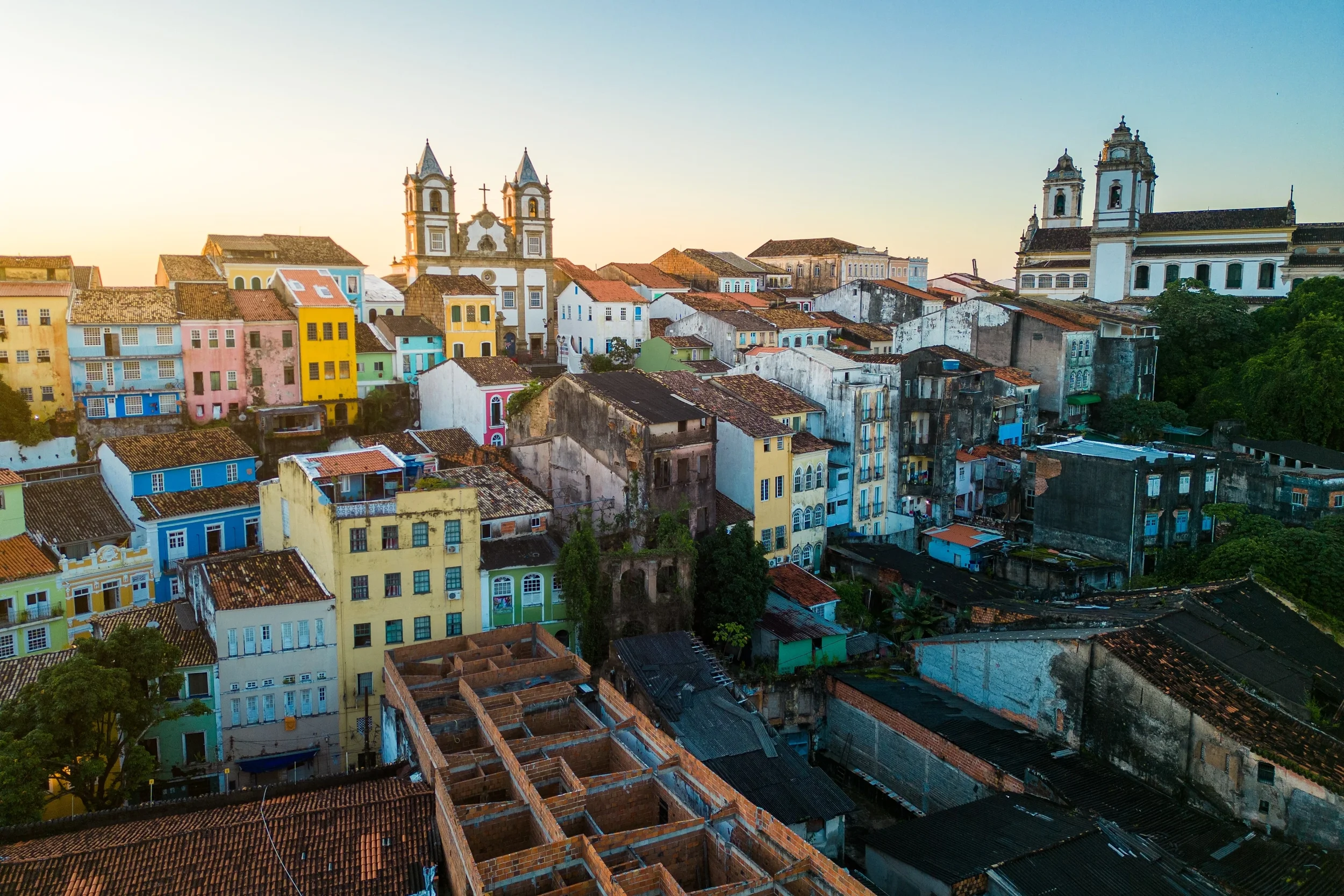
Brazil's First Capital, and Its Most African CitySalvador & Bahia
Salvador was Brazil's capital for over two hundred years before Rio, and the principal port of the transatlantic slave trade to Brazil. Both facts are still legible in the city. Pelourinho - UNESCO-listed since 1985 - is a hillside of 17th and 18th-century Portuguese facades in colors that shouldn't work together and do, and the culture inside it is West African as much as European: candomblé, capoeira, the samba-reggae that Olodum built out of a Pelourinho rehearsal room in 1979.
The food alone justifies the trip. Bahian cooking runs on dendê - red palm oil brought across the Atlantic - with coconut milk, dried shrimp and malagueta pepper. A moqueca baiana is built on dendê and coconut and cooked in clay; the Espírito Santo version uses neither, and knowing the difference is the fastest way to earn a cook's respect. Acarajé, sold from a tabuleiro by baianas in white lace, is registered national heritage: the craft, the dress and the dish together.
Inland, Chapada Diamantina is a national park of table mountains, caves and one of Brazil's tallest free-falling waterfalls, and the flooded caverns at Poço Encantado turn deep blue when the sun angle is right - roughly April to September, late in the morning. We'll time it.
Our Top Brazil Tours & Itineraries
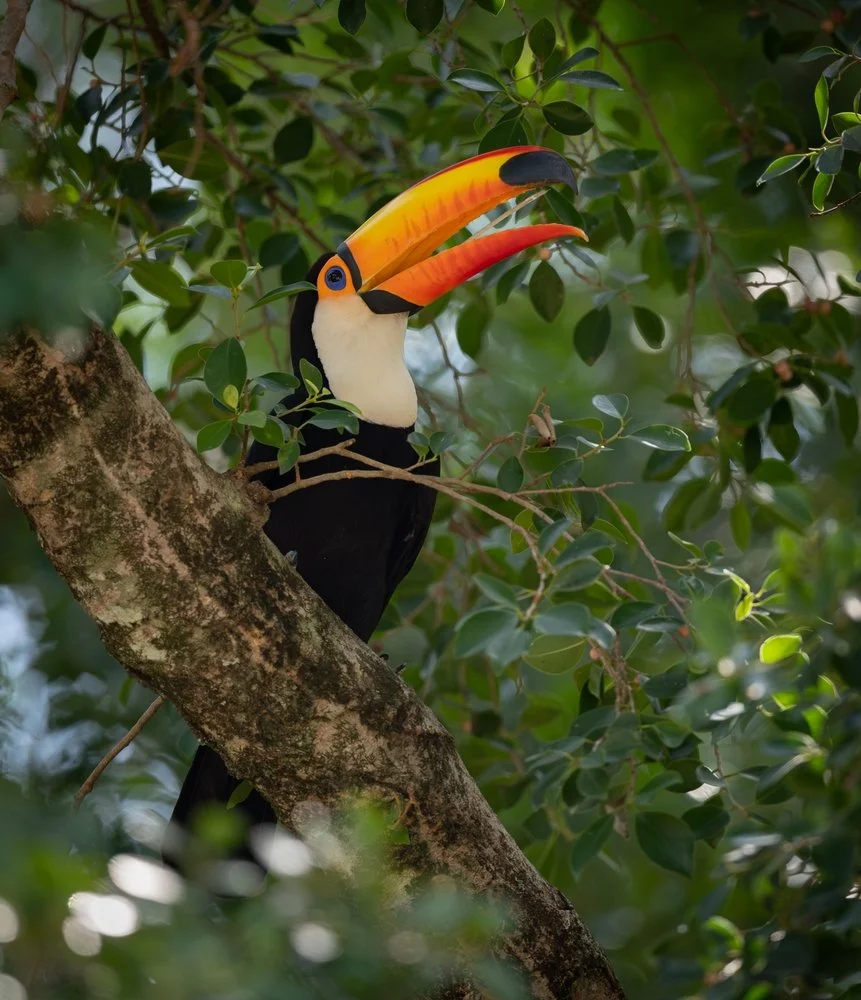
Wild Brazil 2027
May 9-25, 2027
Land from $12,500
Iguazu Falls Pre-Trip Land $1,685
Amazon Post-Trip Land from $4,875
Brazil sits in the southern hemisphere, so the seasons run backwards from home - but the more useful point is that Brazil is too big to have one season at all. The Pantanal and the Bahia coast are dry at opposite ends of the year. The Amazon's best months depend entirely on which Amazon you want. Nobody gets all of Brazil at its best in a single trip, and any operator who implies otherwise hasn't looked at the calendar.
So we start with what matters most to you, and build the year around it.
When to Visit Brazil
June to October - Wildlife
This is the window for a wildlife-led Brazil tour. The Pantanal dries out, the water retreats into the river channels, and jaguar viewing runs from June through October with July and August at their most productive. It's also when the Amazon transitions - high water through June and July for canoeing the flooded forest, dropping to low water by September for beaches, trails and concentrated wildlife.
The trade-off is the coast. June to August is Bahia's wettest stretch, and Rio in winter is pleasant but cool, with a sea most people won't want to swim in. A July trip is a bush trip.
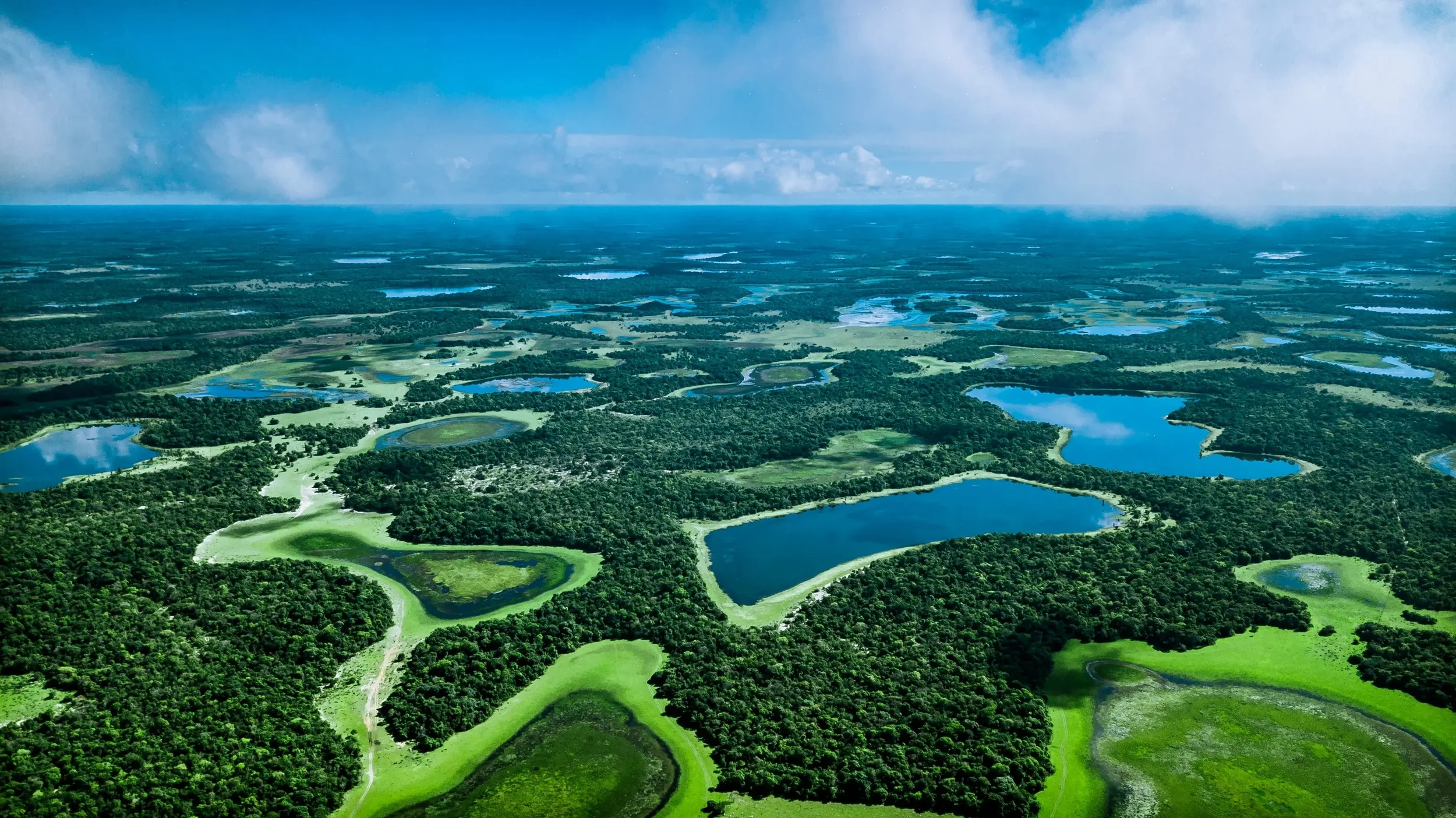
December to March - Coast, Cities & Carnival
Brazilian summer. Rio and the southern coast are hot and alive, Bahia is dry, and Iguazu runs at maximum volume. It's the only window that puts the cities, the beaches and the falls all at their best at once.
It's also the worst time of year for wildlife. The Pantanal floods, the animals disperse, and the roads south of Poconé become difficult. Carnival falls on February 5–9 in 2027 and February 25–29 in 2028, and it reshapes everything around it - book nine to twelve months out, expect minimum stays, and treat it as a cities-and-coast trip rather than a compromise.

Tailoring Your Brazil Trip
The advantage of building a private Brazil tour from scratch is that it bends to fit the people traveling it. A honeymoon and a family trip ask for very different things from the same country.
Brazil Honeymoons
Brazil is a natural honeymoon country because it does two moods well and puts them within a domestic flight of each other. We tend to pair a few nights of pure quiet - Trancoso, Paraty, or Fernando de Noronha if you plan far enough ahead - with something that gives the trip a spine: the falls, a stretch of the Amazon, a few days in Rio.
Small properties suit this better than big ones, and Brazil has an unusual number of genuinely lovely ten- and twelve-room places run by the families who built them. We'll arrange the private dinner and the boat at sunset without making a production of it.
Brazil works well for families, with some planning. Rio, the Bahia coast, Iguazu and the southern Pantanal are all straightforward with children - short flights between them, warm water, lodges with pools and space to run.
The Amazon and the northern Pantanal ask more: longer transfers, early starts, heat, and patience in a boat. They reward older children enormously and frustrate younger ones. Tell us your travelers' ages and we'll pitch the trip accordingly - and note that yellow fever vaccination is recommended for much of Brazil, so it's worth raising with your doctor early.
Family Trips to Brazil
Brazil rewards travelers who'd rather walk a landscape than look at it. The Vale do Pati, in Chapada Diamantina, is the finest trek in the country - three to five days over table mountains, six to eleven miles a day with around 1,500 feet of climbing, no cell signal, and nights in the homes of the families who farm the valley. That trip only works if you know the households, which is the sort of arrangement we've spent forty-five years building.
Elsewhere the adventure is in the water. At Bonito, in the same state as the southern Pantanal, spring-fed rivers run clear enough to drift-snorkel among some fifty species of fish, and you can abseil into a flooded cave whose lake is 260 feet deep with visibility close to 200.
Add sea kayaking off Paraty, surfing the Atlantic breaks, canoeing the flooded Amazon canopy in June, and horseback across the Pantanal in the wet season - all of it with guides we've worked with for years, and none of it requiring you to be twenty-five.
Adventure Tours in Brazil
Your Questions, Answered
-
We'd suggest ten nights as a working minimum for a first trip, which is enough for two regions plus Rio without spending the whole time in airports. Most of our Brazil itineraries run 12 to 16 nights across three regions. Brazil's internal distances are real - Rio to Manaus is roughly Chicago to Los Angeles - so a trip that tries to do five regions in two weeks ends up being about the flights.
-
Yes. Brazil reinstated a visa requirement for US citizens on April 10, 2025, and you must have it approved before you travel. It's an electronic visa, applied for online through Brazil's official e-visa portal, currently $80.90, and for US citizens it's issued for ten years with multiple entries and stays of up to 90 days per year.
Processing can take up to ten business days, and the portal advises applying around two months ahead. Requirements change, so we'll confirm the current position for your nationality as part of your booking - but please don't leave this one late.
-
The US State Department has Brazil at Level 2, Exercise Increased Caution, as of May 2025 - the same level as France or Italy. Two specific exceptions matter: anywhere within 100 miles of Brazil's land borders, and informal housing developments (favelas) anywhere in the country, both of which are rated Level 4 and which we don't include in any itinerary.
Worth knowing that the advisory explicitly exempts Pantanal National Park and Foz do Iguaçu National Park from the border restriction. Rio is the one city named in the advisory, mainly for opportunistic crime and drink-spiking, which is a good argument for private transfers and a guide who knows which streets to walk. We've been sending travelers to Brazil for decades and we plan every itinerary to keep the seams invisible.
-
June through October, with July and August the most productive months. Jaguar viewing is done by boat from Porto Jofre, in the northern Pantanal, where the animals come down to the riverbanks in daylight during the dry season. Sightings are never guaranteed - anyone promising otherwise is overselling - but this is the most reliable place in the world to look.
-
Both, if you can. The Brazilian side gives you the panorama in about half a day; the Argentine side gives you the close-range circuits and needs a full day. They're a 45- to 60-minute drive apart including the border crossing, and seeing only one is the most common regret we hear about Iguazu.
-
Easily. Iguazu sits on the Argentine border, which makes Buenos Aires a natural extension, and Brazil combines well with Peru, Chile and Ecuador for travelers with three weeks or more. We've been building private journeys across the continent for decades and can route the whole thing as one trip rather than two.
-
Yes, with the right regions. Rio, the Bahia coast, Iguazu and the southern Pantanal all suit families well. The Amazon and northern Pantanal involve long transfers and early starts that work better for older children. Tell us the ages and we'll build around them.
Related Posts