
The first time I went on safari was July of 1986, just after my brother's fifth birthday and a few months shy of my seventh. My parents had lived in Kenya for two years. Then they returned to the USA and started Explorers World Travel, a luxury travel company focusing on East African safaris.
EWT and I are almost the same age. It's the only lens through which I've known my parents, and the world in which my brother and I grew up.
We were beyond excited. My dad hauled what seemed like a 15lb camcorder on the trip, so there are VHS tapes somewhere of the two of us excitedly talking over each other about the rhino at the waterhole. It was night and, as mentioned, an early model camcorder, so you can't see the rhino. But you can definitely tell how thoroughly amazing the experience was for us.
Needless to say, this safari was a defining moment of my life. And not just because forty years later I finally took over my parents' company. (My brother, maybe because of that early camcorder, has firmly chosen and excelled in a path as a documentary filmmaker and professor.)
It was a defining moment because it is such a gift to be able to feel, at such a young age, how mind-blowingly big and varied the world is.
What Safari Lodges and Camps Were Like in the 1980s
Back in the 1980s, the lodges in East Africa were basic. Very comfortable, but basic, with every common room and most hallways open to the elements.
We also stayed in mobile, temporary camps with no indoor plumbing or electricity. So it was often just me, my brother, and a thin piece of canvas separating us from the wild.
The sounds of the savannah at night were literally the most terrifying and the most beautiful sounds I had ever heard. The sunrises and sunsets were spectacular. The monkeys and baboons in camp were endlessly entertaining.
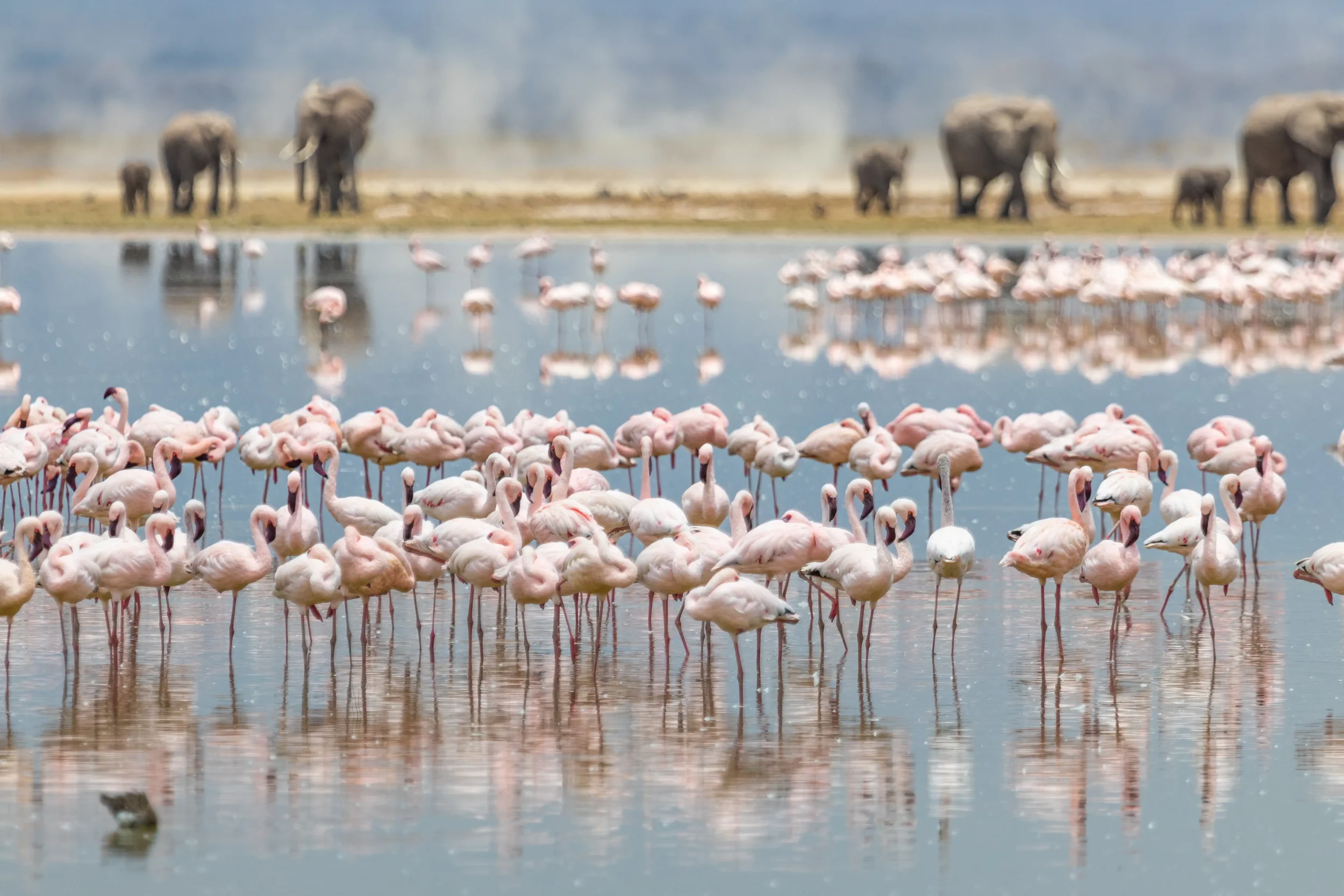
Stuck in the Mud and Surrounded by Hyenas in Amboseli
Oh, and we got stuck in the mud and surrounded by hyenas for hours after sunset one night.
Our driver had more experience as a nanny than navigating the mud, holes, and barely formed tracks of Amboseli National Park. She made a wrong turn and we were stuck. There were obviously no cell phones then and the radio signals were spotty, so we couldn't contact anyone.
The adults knew, and kept reassuring us, that someone would come looking for us once our vehicle didn't return to camp. Which is, of course, what happened. But it was several hours later.
As the sun set, my dad noticed the hyenas slowly making a circle around our car. Hyenas are incredibly dangerous, so we all had to stay inside the car. And wait.
The Lost Art of Waiting on Safari
Waiting was a big part of safaris "back in the day": waiting for the plane, waiting for the jeep, waiting to be pulled out of the mud.
There were no tablets or phones to pass the time. So during this extended stretch I allegedly (I don't remember this part) made everyone else listen to a very detailed description of the extremely complicated interior lives and social connections of my dolls and toys back home. We all deal with anxiety differently.
Despite my constant chatter, the waiting and the lack of screens also meant a lot of staring off toward the horizon, intensely studying the savannah grasses, and mind wandering. All of which I truly count as lifelong skills.
What I Remember Most About My First Safari (It Wasn’t the Animals)
Don't tell my father or husband, who remember every animal they've ever seen, but I don't really remember any of the animals from that first safari.
I remember the trees. The elegant acacia trees, and the baobabs so powerful and strange that my love of them resulted in a baobab tattoo fifteen years later.
I remember the smell of diesel. In suburban Chicago in the 1980s, the streets were not permeated by the smell of diesel, but they were in Nairobi.
At six years old, I couldn't have explained what was so thrilling about the smell of diesel, or the vegetable and craft stands along the roads, or the dirt highways. But I could feel, even then, a growing awareness that there are a multitude of ways to live a life. That maybe my experience, and what I had been taught, was not the only way.
It was liberating. And travel, such an immense privilege, is still liberating.
What a Safari is Like Today
A safari today still wraps you in the sound and texture of the immense great outdoors. It still brings you up close and personal with some of the most astounding creatures and events in the natural world. It still introduces you to new people, languages, and food.
It doesn't isolate you from the rest of the world anymore. But that has its pros too. We've had friends and clients who can come on safari only because the excellent wi-fi lets them stay connected to a family concern at home.
I, myself, can spend more time in Africa because I can stay on top of all my administrative work from my laptop while watching the elephants stroll across the Serengeti.
Adventures Still Happen: A Lost Wheel in the Okavango Delta
Just last year, while guiding a safari in the Okavango Delta of Botswana, our front right wheel fell off while we were watching mating lions. Not the tire. The whole wheel!
Mating lions do not enjoy distractions or disturbances, so getting out of the vehicle was entirely not an option.
This time, with that excellent wi-fi, our driver was able to call discreetly for help. Within an hour another driver had expertly pulled his vehicle alongside ours, and everyone had (very quietly) stepped from one jeep to the other.
The whole experience was a little bit scary, extremely exciting, and we were all back at the lodge in time for sundowners around the campfire.
My parents, husband, and I all have more harrowing and interesting stories from the wild around the world. But those are best saved for telling in person, around those safari campfires.
Waiting Still Happens, Too
Just last week we were all reminded of it with the US FAA domestic flight grounding.
Adventure might look different now. Waiting might look different now. But the benefits of both adventure and waiting are still there for you, every time you travel.
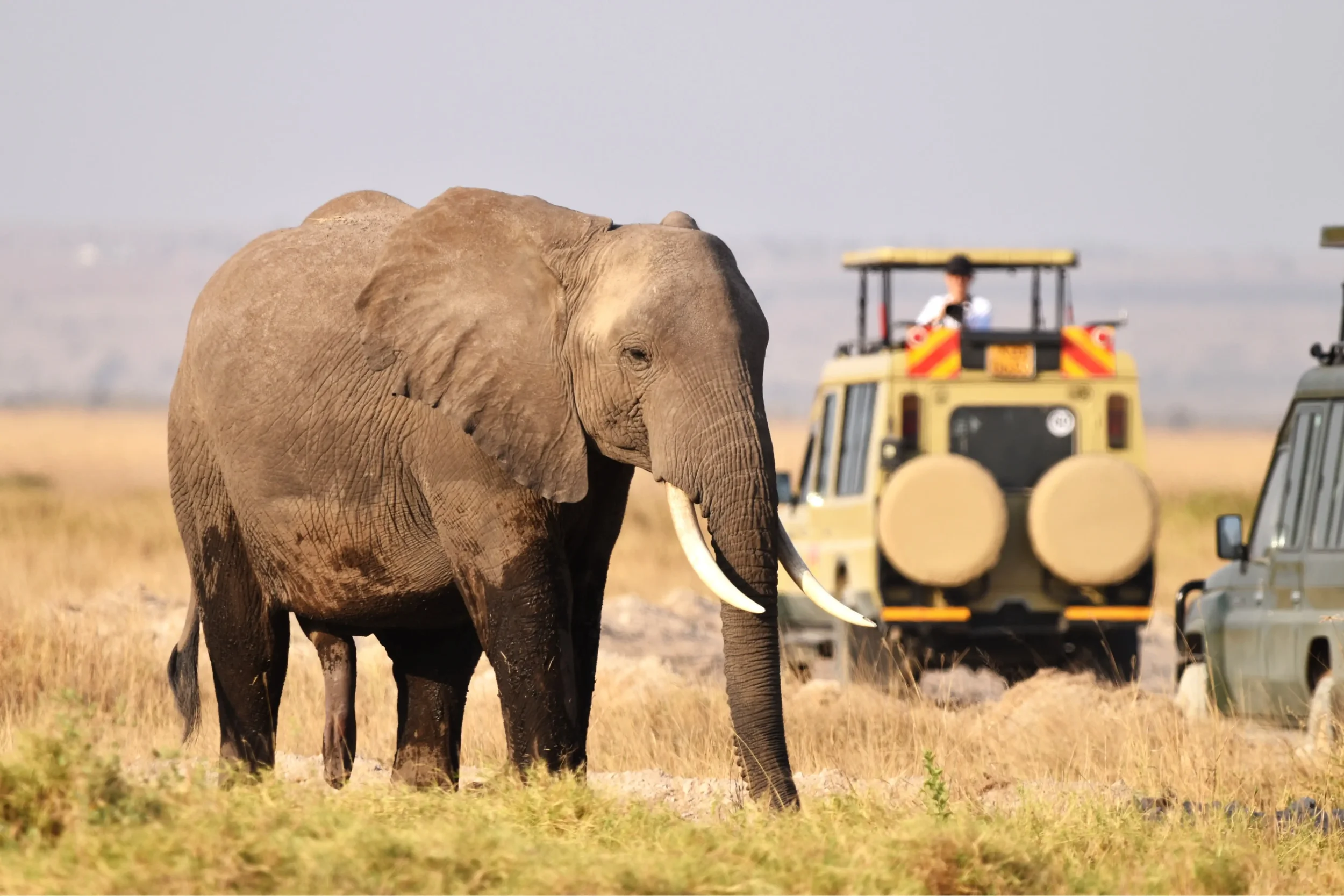
Plan Your Own First Safari
We've been designing safaris since 1979, and we still guide them ourselves. Whether it's your first safari or your family's next one, we'll design a private safari built around you.
