Luxury Chile Tours & Vacations
Santiago
The Atacama Desert
Chilean Patagonia
Torres del Paine
The Lake District
Easter Island
Bespoke & Private Tours in Chile
Chile is one of the longest, narrowest countries on Earth: nearly 2,700 miles from the Atacama Desert in the north to the glaciers of Patagonia in the south, and rarely more than a couple of hours wide. No other country on the continent packs in so much contrast on a single north-south line, the driest desert landscapes anywhere, a wine-growing heartland, volcanic lake country, and a Pacific island nearly 2,300 miles from anywhere else. Every one of our Chile luxury trips looks different, because every traveler does.
For over 45 years, Explorers World Travel has worked as Chile luxury travel planners for travelers who want the country built around them, not a fixed group departure. A luxury Chile trip with us might open in Santiago's wine valleys, move north to the stargazing skies of the Atacama, and finish among the granite towers of Patagonia, or it might be built around a single region done properly. Every itinerary is handmade, and every lodge is one we've stayed in ourselves.
Few luxury tour operators Chile-wide build every trip entirely from scratch the way we do. Our Chile luxury tours start with what you actually want to see, not a fixed circuit, and we've been doing it since 1979. We think a handmade itinerary makes for the best luxury Chile tours available, and not every operator selling Chile luxury travel tours builds them that way.
Where to Visit in Chile
A Capital Surrounded by VineyardsSantiago & the Wine Valleys
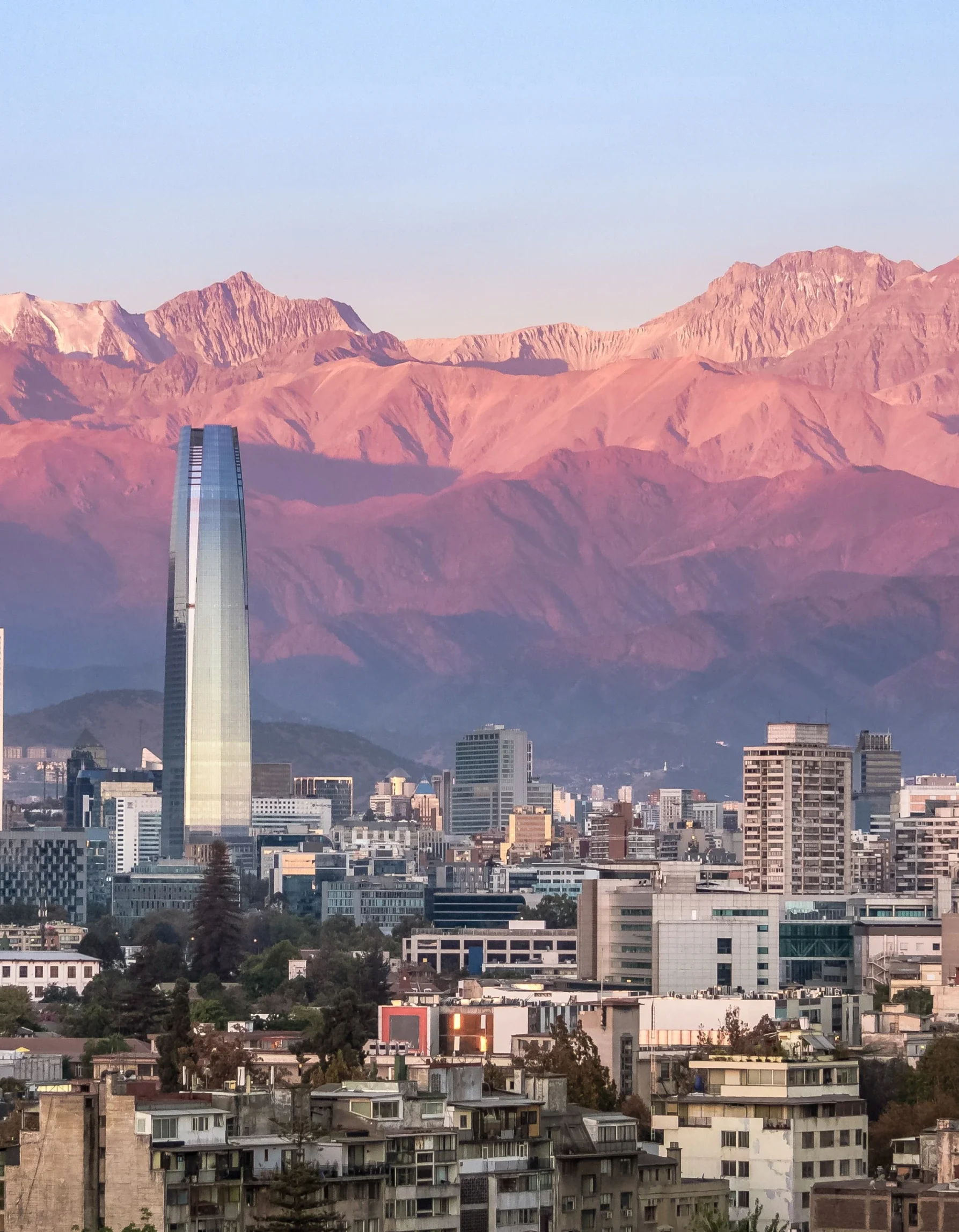
Santiago sits in a central valley between the Andes and the coastal range, and within an hour of the city center you can be tasting wine at an estate older than the Eiffel Tower. Concha y Toro, in the Maipo Valley just south of the city, was founded in 1883; Santa Rita, three years its senior, in 1880. Maipo's deep, free-draining gravel soils and Mediterranean climate have made it Chile's benchmark region for structured Cabernet Sauvignon for well over a century.
West toward the coast, Casablanca Valley is a much newer story. A Concha y Toro winemaker planted experimental Chardonnay here in 1982, and the cool, fog-influenced valley he opened up is now Chile's leading source of Sauvignon Blanc and Pinot Noir. Further south, Colchagua Valley, centered on the town of Santa Cruz, is Carmenère and Syrah country, with around twenty leading estates built for wine tourism, not just production.
In the city itself, we split time between Bellavista, Santiago's bohemian nightlife quarter beneath Cerro San Cristóbal, and Lastarria, a cobbled, café-lined district built around the Museum of Fine Arts. An hour and a half from Santiago, the port city of Valparaíso, a UNESCO World Heritage Site for its 19th-century hillside architecture, makes a natural add for travelers who want a coastal day before heading inland. This is where a luxury wine tour of Chile tends to begin, and where a Chile luxury travel itinerary built around food, wine and city life could comfortably fill four or five days on its own.
The Driest Landscape on EarthThe Atacama Desert
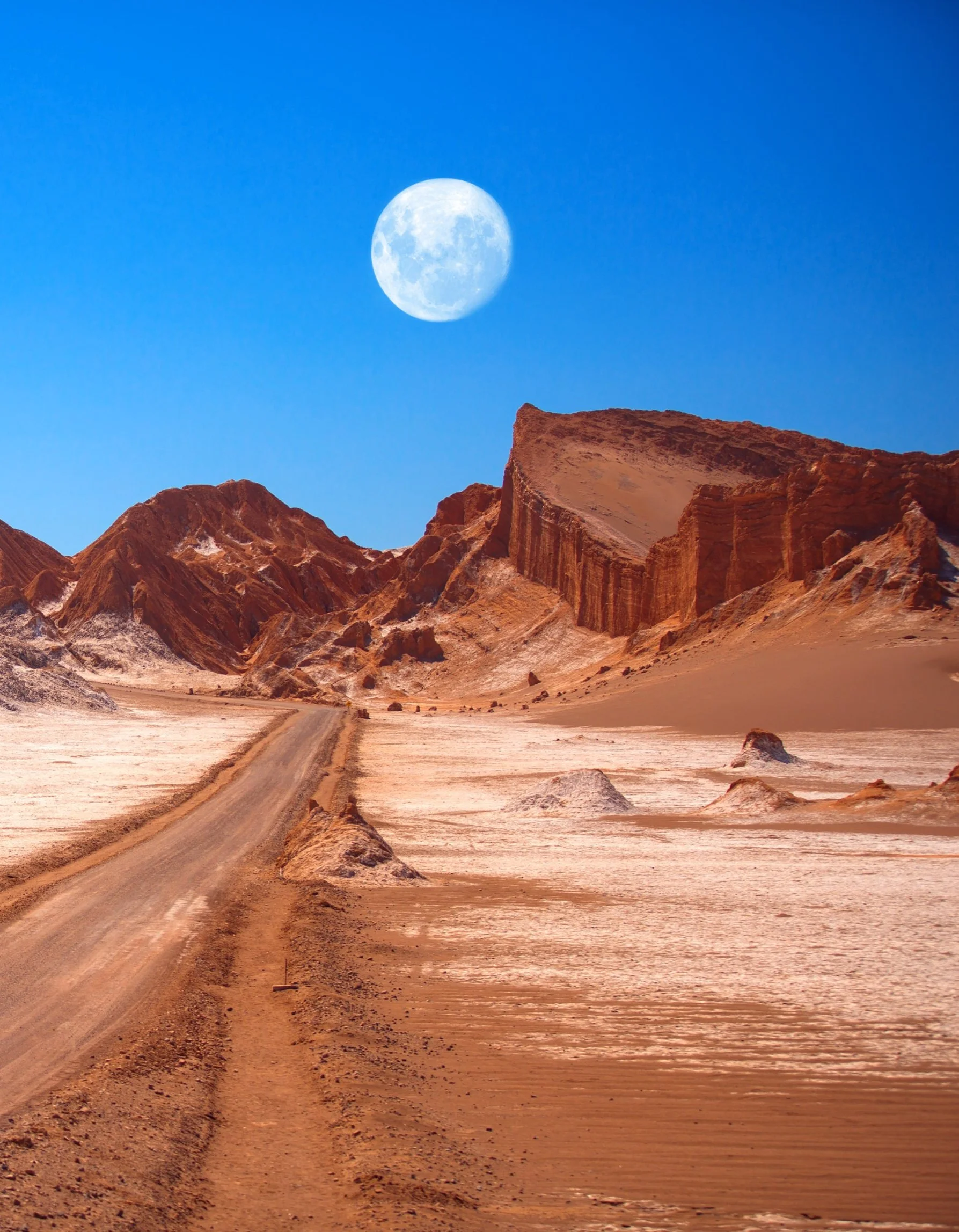
NASA describes the Atacama as probably the driest non-polar place on the planet, drier in parts than the interior of Antarctica. San Pedro de Atacama, the desert's hub town at 7,897 feet, is where a Chile Atacama trip begins and ends, with the surrounding landscape doing all the talking in between.
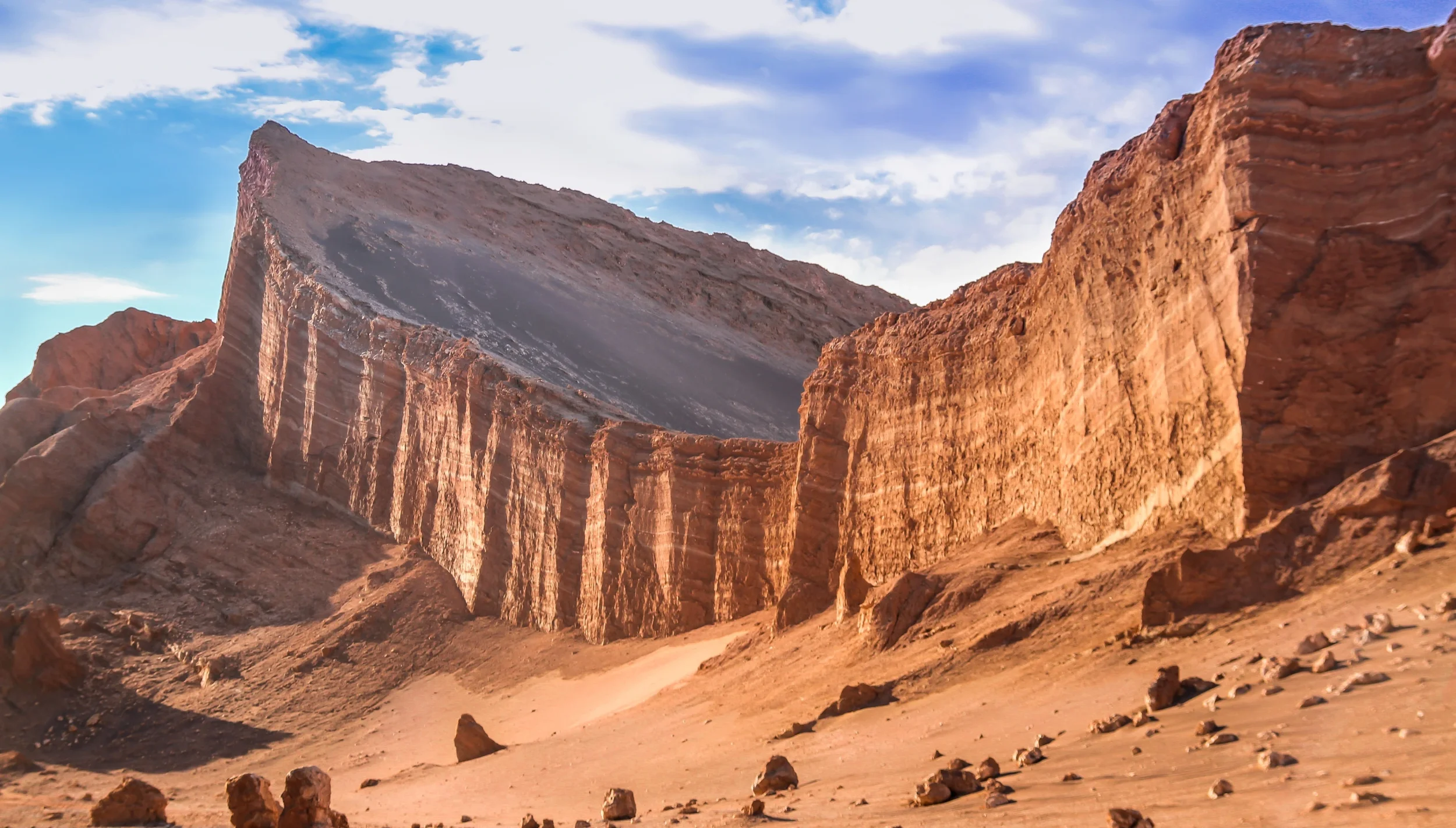
Valle de la Luna, a Nature Sanctuary since 1982, is thirteen miles west of San Pedro: wind-eroded salt and rock formations so alien that NASA has used the terrain to test Mars rover prototypes. Higher into the Andes, at 14,170 feet, El Tatio is the highest-altitude geyser field on Earth and the largest in the Southern Hemisphere, with more than 80 active geysers erupting into the cold pre-dawn air.
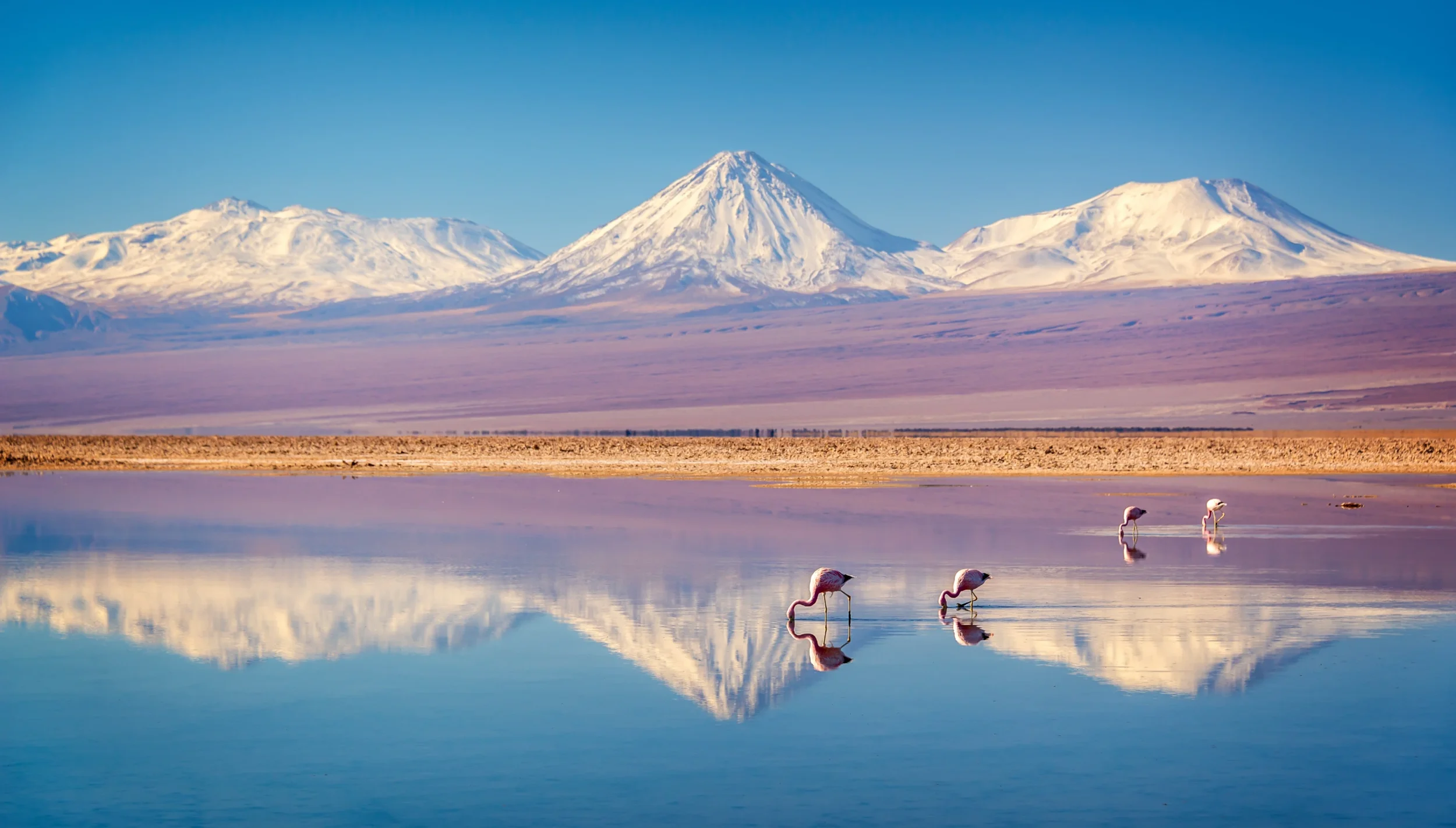
South of San Pedro, the Salar de Atacama, roughly 3,000 square kilometers, is Chile's largest salt flat and the third-largest on the planet. Its shallow lagoons hold all three of Chile's flamingo species together: the Chilean, Andean and James's flamingo, all inside Los Flamencos National Reserve.
Nights here are properly dark. The Atacama sits under some of the clearest skies in the world, which is why the ALMA radio telescope array is built on the nearby Chajnantor Plateau - though the high-altitude array itself isn't open to visitors, and public access programs at the observatory's lower support facility have changed in recent years, so we'll confirm current access when we plan your trip. A luxury adventure to Chile that includes the Atacama is really two trips in one: geology and astronomy by day and by night.
Granite Towers at the End of the World Chilean Patagonia & Torres del Paine
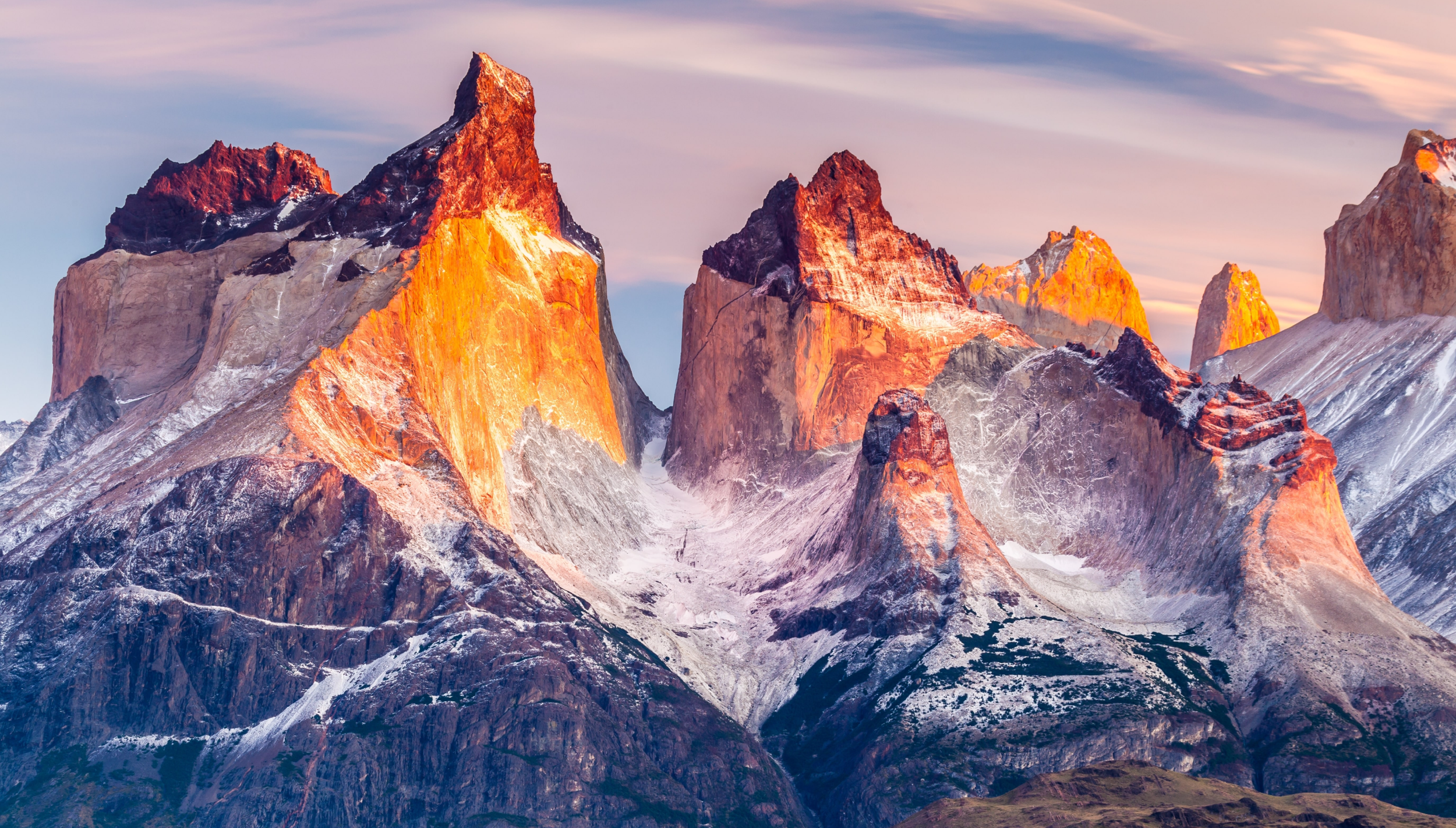
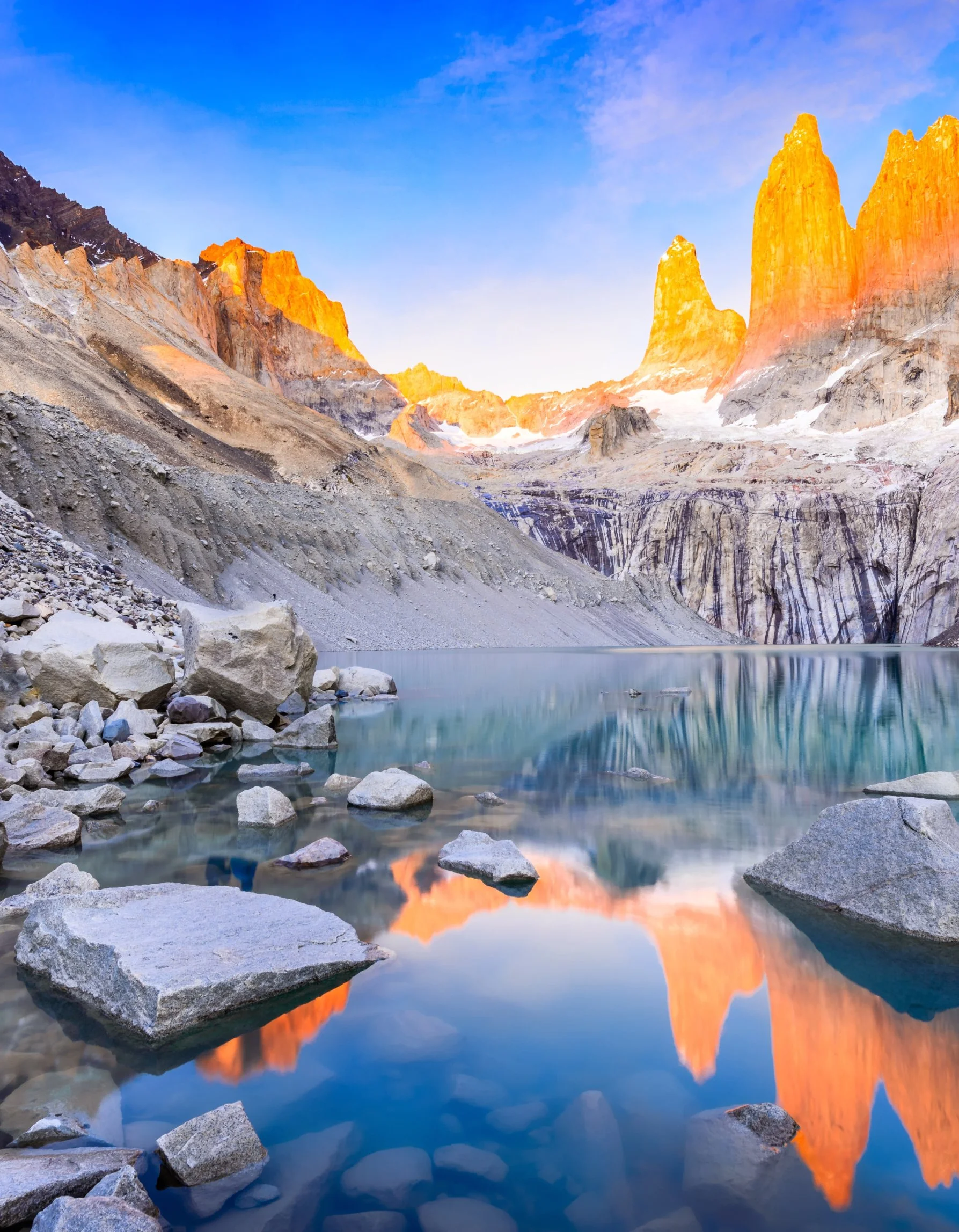
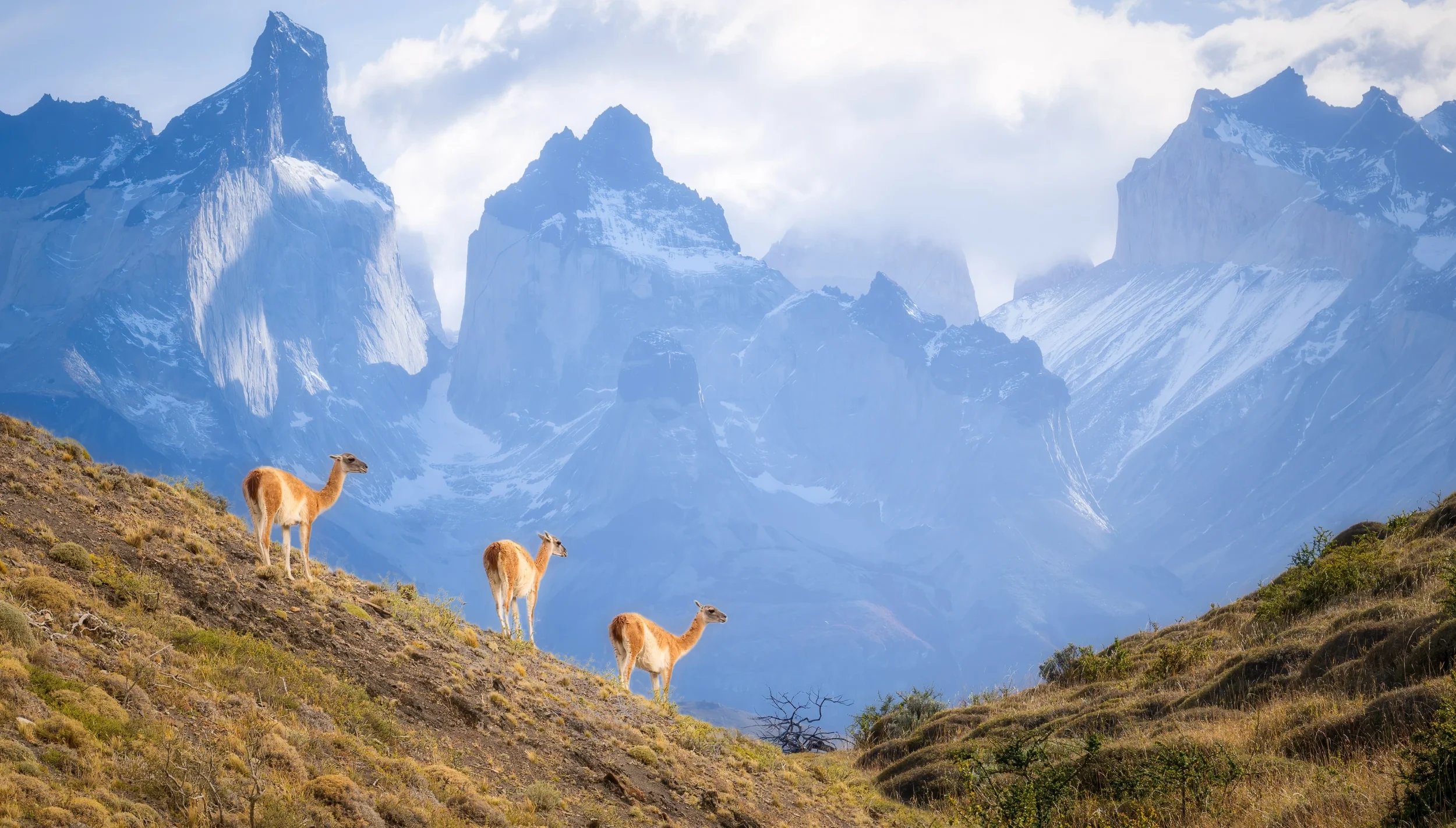
Torres del Paine National Park, roughly 181,000 hectares of granite peaks, turquoise lakes and windswept steppe, has been protected since 1959 and was named a UNESCO Biosphere Reserve in 1978. Its three namesake towers, rising to around 2,500 meters, are the park's signature image, but the wider massif includes Paine Grande, the range's highest peak at 2,884 meters.
Most travelers see the park on foot. The W Trek, roughly 50 miles over three to five days, links the park's three highlight valleys and is the standard route for a first visit. The full O Circuit, closer to 80 miles over seven to nine days, rings the entire massif and adds Grey Glacier's ice face, part of the Southern Patagonian Ice Field, the second-largest contiguous body of ice outside the polar regions.
Puerto Natales, about 70 miles south, is the gateway town and where a private Patagonia Chile trip typically starts. Chilean Patagonia and its Argentine counterpart are often paired, and it's worth knowing the difference before you choose.
The Chilean side leans toward fjords, glaciers and the granite spires of Torres del Paine, with a wetter climate and more logistics behind the scenes. Argentine Patagonia, centered on El Calafate and El Chaltén, is drier, more open and generally easier to move around independently. We build trips on either side, or both.
Volcanoes, Water and Wooden ChurchesThe Lake District & Chiloé
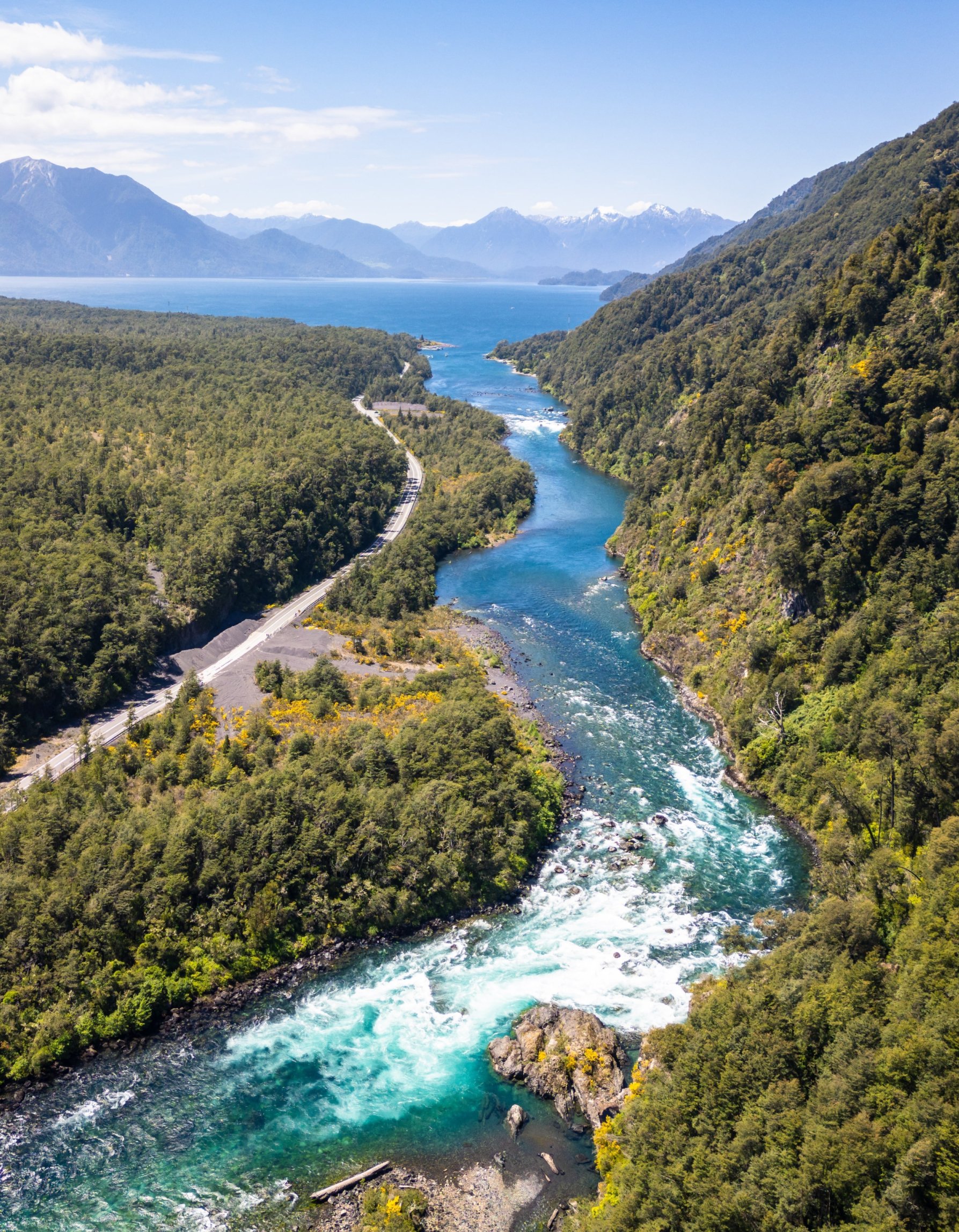
South of the wine valleys and north of Patagonia, Chile's Lake District is volcano country. Villarrica, at 2,847 meters and one of South America's most consistently active volcanoes, rises directly above the adventure-sports town of Pucón. To the south, Osorno, at 2,652 meters, has sat dormant over Llanquihue Lake since its last eruption in 1869 and is one of the most photographed peaks in Chile.
Offshore, Chiloé Island keeps a different kind of landmark. The Churches of Chiloé, sixteen wooden churches built between the 17th and 19th centuries under a traveling Jesuit and later Franciscan mission, were inscribed as a UNESCO World Heritage Site in 2000. Built by local shipwrights using boat-building joinery rather than European church-building technique, they're a genuinely unique fusion of indigenous and colonial craft, and nothing else in Chile looks quite like them.
The Most Remote Inhabited Island on EarthEaster Island (Rapa Nui)
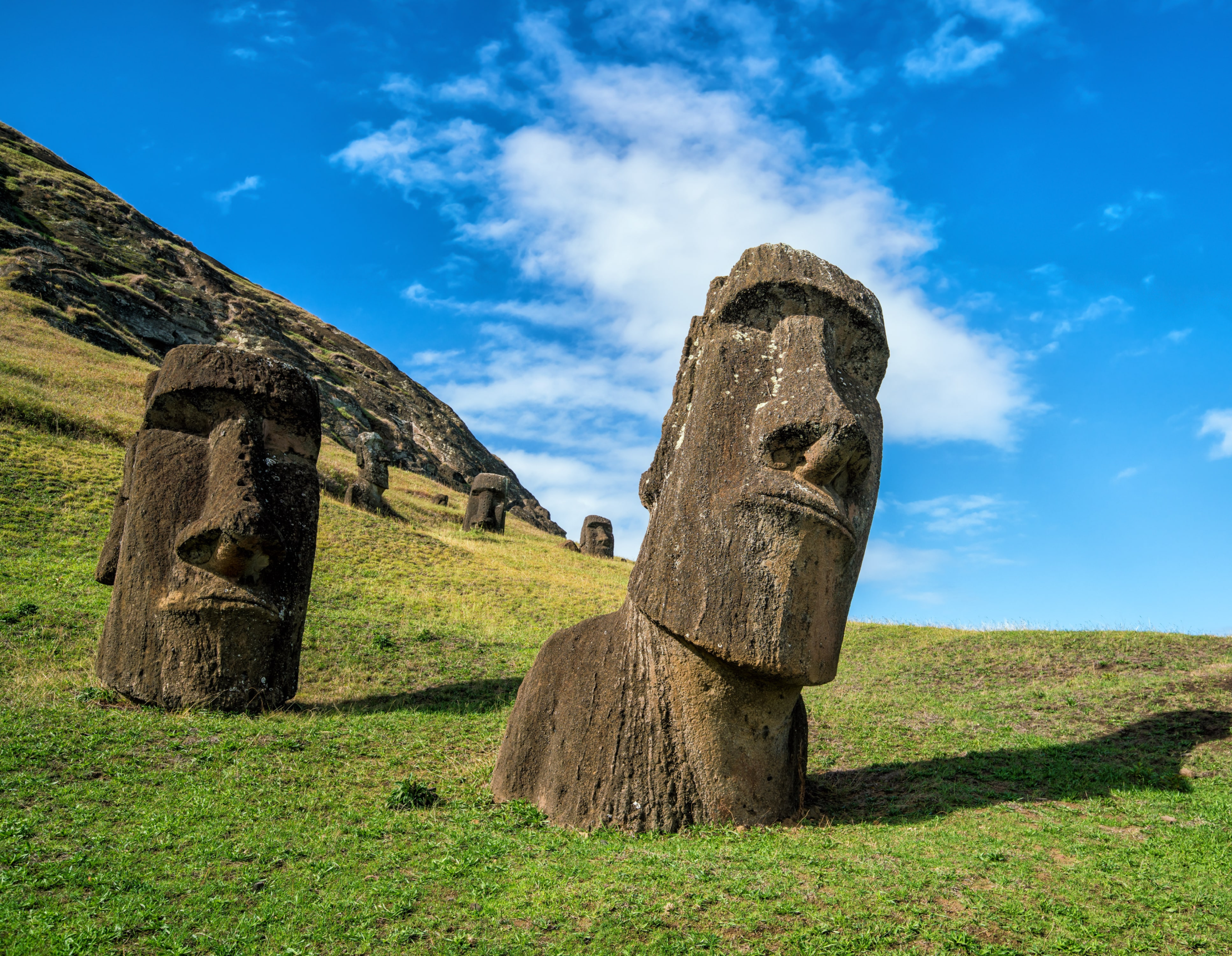
Rapa Nui National Park was first protected in 1935 and inscribed as a UNESCO World Heritage Site in 1995. UNESCO's own listing puts the island roughly 3,700 kilometers, about 2,300 miles, from the Chilean coast, closer to nothing than almost anywhere else people live.
The island's moai, an estimated 900 carved stone figures ranging from about 2 to 20 meters tall, are the reason most travelers come. Ahu Tongariki, the largest platform, holds fifteen moai in a single row facing inland, restored after a 1960s tsunami scattered the originals.
LATAM Airlines runs the only nonstop service to the island, connecting Santiago with Mataveri Airport, typically twice daily. Because it's a five-and-a-half-hour flight each way, Easter Island works best as a dedicated three or four night add-on rather than a rushed day trip, and we build it that way.
Chile is too long to have a single season. The Atacama Desert barely changes month to month; Patagonia has a narrow window when it's genuinely comfortable to be outdoors; and the wine valleys run to their own calendar entirely. We start every chile luxury travel itinerary with what you most want to see, then build the trip around the window that delivers it. So we start with what matters most to you, and build the year around it.
When to Visit Chile
November to March: Patagonia’s Window
This is the season for Torres del Paine. Chile's national park service recommends visiting between September and April, but the reliable stretch for trekking the W or the O Circuit is November through March, with December to February at their busiest and warmest.
November and March are quieter shoulder months with fewer people on the trail. November through January also tends to be the windiest stretch, which is worth knowing before you commit to a full circuit.
March to May: Wine Country’s Harvest
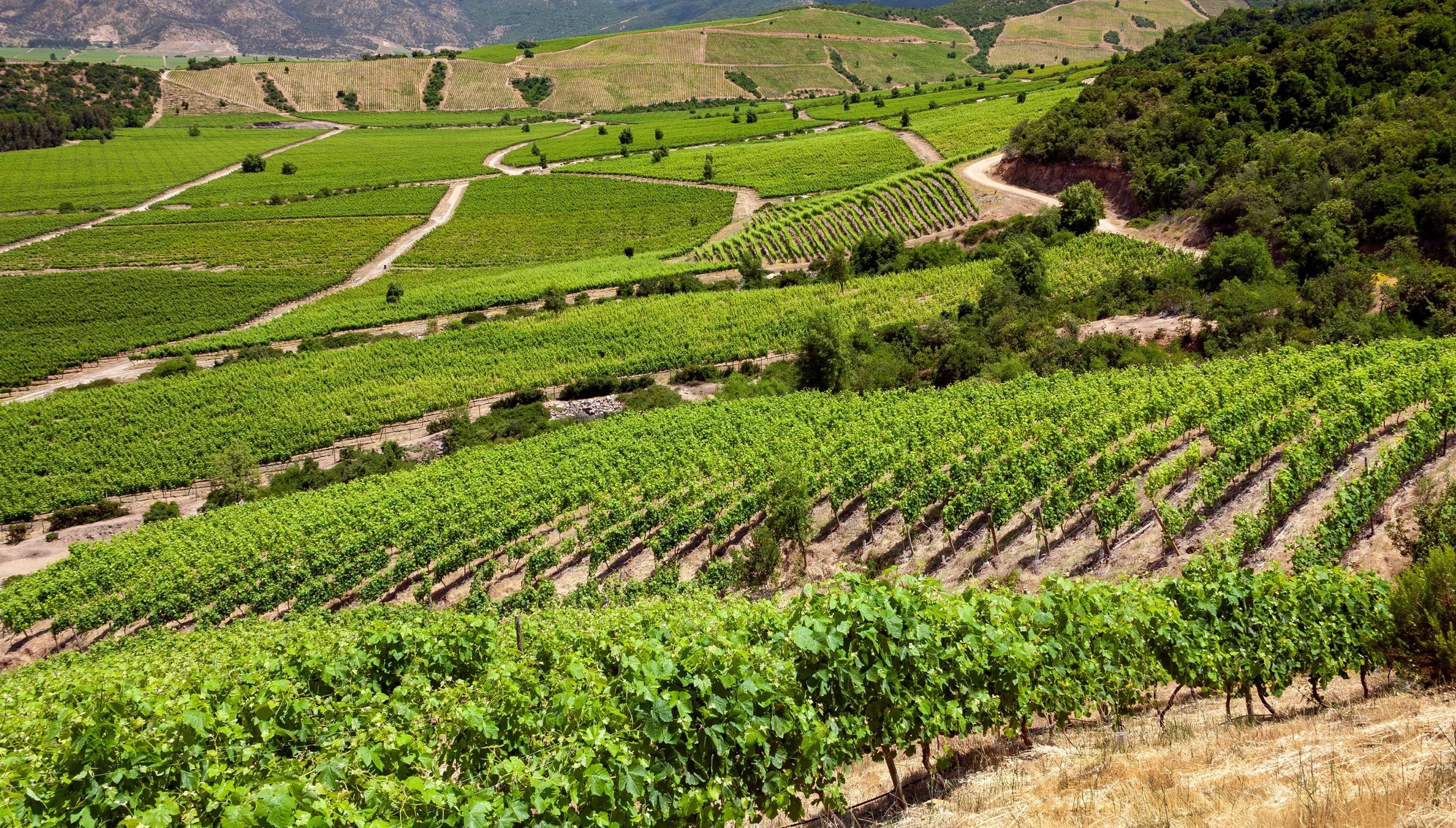
Chile's grape harvest, or vendimia, runs from late February through May. Cooler coastal sites like Casablanca pick their white grapes first, Cabernet Sauvignon in Maipo generally comes off the vine in April, and Carmenère can extend into May. It's the best time to see a Chilean wine region actually at work, with harvest festivals in Colchagua and Casablanca timed around the peak weeks.
Year-Round: The Atacama Desert
The Atacama's desert climate makes it a genuine year-round destination, though the altitude means nights are cold whatever the season, often dropping well below freezing even when the days are warm. There's no single "best" month here the way there is for Patagonia. It's simply a question of pairing it with whichever other region's season you're chasing.
Tailoring Your Chile Trip
Chile bends easily around who's traveling. A honeymoon, a family trip and a wine-focused getaway ask for very different things from the same country. Explorers World Travel is a family-run luxury travel agency that Chile travelers have turned to for decades, precisely because we build each trip from scratch rather than selling a fixed departure.
Chile Honeymoons
Luxury honeymoon Chile itineraries tend to work best as two moods rather than one: a few quiet days among the vineyards or on the coast at Valparaíso, paired with something that gives the trip its center of gravity, whether that's Patagonia's granite towers or the Atacama's night skies. Small, owner-run lodges are the norm here rather than the exception, and we'll arrange the private dinner, the transfer timed to the light, and everything in between without making a production of it.
A Chile luxury tour for families works well with some planning around age and altitude. Family luxury tours in Chile that pair the wine valleys with the Lake District suit younger children especially well, since both regions sit at low altitude and move at an easy pace.
The Atacama's elevation and Patagonia's longer hiking days reward children old enough to keep pace and handle a full day outdoors. Tell us the ages of your travelers and we'll match the itinerary and the pacing to them.
Family Trips to Chile
A luxury culinary tour in Chile usually starts in Santiago's Maipo, Casablanca and Colchagua valleys, where private tastings and cellar visits sit alongside meals built around what's in season. Chile wine region luxury tours pair naturally with Santiago's own restaurant scene in Lastarria and Bellavista, and for travelers who want to go further, we can extend into the Colchagua Valley's own farm-to-table producers around Santa Cruz. It's one of the more efficient luxury trips to Chile, since Santiago's wine country asks for nothing more than a day trip or an overnight from the capital.
Wine & Culinary Tours in Chile
Your Questions, Answered
-
We'd suggest ten to twelve nights as a working minimum for a first visit that combines two regions properly, most often Santiago's wine valleys with either the Atacama or Patagonia. Travelers who want all three, plus Easter Island, typically plan fourteen to eighteen nights given Chile's internal flight times.
-
Yes, and it's one of our most popular combinations. Both regions connect to Santiago by direct flight, roughly two hours to Calama for the Atacama and just over three hours to Punta Arenas for Patagonia, so the logistics work well even though the regions themselves feel like different planets.
-
Easily. Chilean Patagonia sits right across the border from its Argentine counterpart around El Calafate, and northern Chile connects naturally to southern Peru for travelers who want the Atacama alongside Machu Picchu. We've been building private journeys across South America for decades and can route the whole trip as one itinerary rather than two.
-
The US State Department currently rates Chile at Level 2, Exercise Increased Caution, as of its August 19, 2026 advisory, citing street crime and periodic demonstrations in Santiago and other cities that can arise with little notice. We've been sending travelers to Chile for decades and plan every itinerary, including private transfers and guides who know the areas well, to keep it seamless from arrival to departure.
-
No. US citizens don't need a visa for tourism, and requirements can change, so we'll confirm the current position as part of your booking. At a glance, entry currently requires:
A tourist card: issued on arrival, valid for 90 days
No reciprocity fee: Chile eliminated its entry fee for US citizens in 2014
A valid passport: covering the full length of your stay
-
Very. Chile's wine valleys sit within an hour or two of Santiago, which makes a luxury wine tour of Chile one of the easiest additions to any itinerary. Maipo is the country's oldest and most established region for Cabernet Sauvignon, Casablanca leads on Sauvignon Blanc and Pinot Noir, and Colchagua is the place for Carmenère, Chile's signature grape.
-
Yes, though it needs its own dedicated time. Flights from Santiago run about five and a half hours each way on LATAM, so we generally recommend three to four nights on the island rather than treating it as a quick stop, and we'll build the connecting flights around the rest of your itinerary.
-
Yes, with the right regions. The wine valleys and the Lake District are easy going for younger children, while the Atacama's altitude and Patagonia's hiking distances suit older kids better. Tell us the ages of your travelers and we'll build the trip, and the pacing, around them. description
Related Posts