Luxury Zambia
Safaris & Tours
South Luangwa
Lower Zambezi
Victoria Falls
Kafue National Park
Bespoke Safari Tours in Zambia
Zambia invented the walking safari. In 1950, conservationist Norman Carr led the first guests on foot through the Luangwa Valley - and the country has never looked back. While the rest of southern Africa built roads and lodges for the vehicle-first game drive, Zambia kept its wilderness deliberately difficult to reach and its camps deliberately small. That decision has compounded over seventy years into something that’s now nearly impossible to replicate: a country where the experience of being in the bush, not just observing it, is still the point.
For over 45 years, Explorers World Travel has built bespoke safari tours in Zambia for travelers who want the least-visited, most immersive version of Africa. A luxury Zambia safari with us might open with the Falls, move deep into the Luangwa Valley for walking and night drives, and finish on the Zambezi with a canoe and a line of buffalo drinking at dusk - but every itinerary is built from scratch, and every camp is chosen because we’ve stayed in it ourselves.
Where to Visit on Your Zambia Safari
Birthplace of the Walking SafariSouth Luangwa National Park
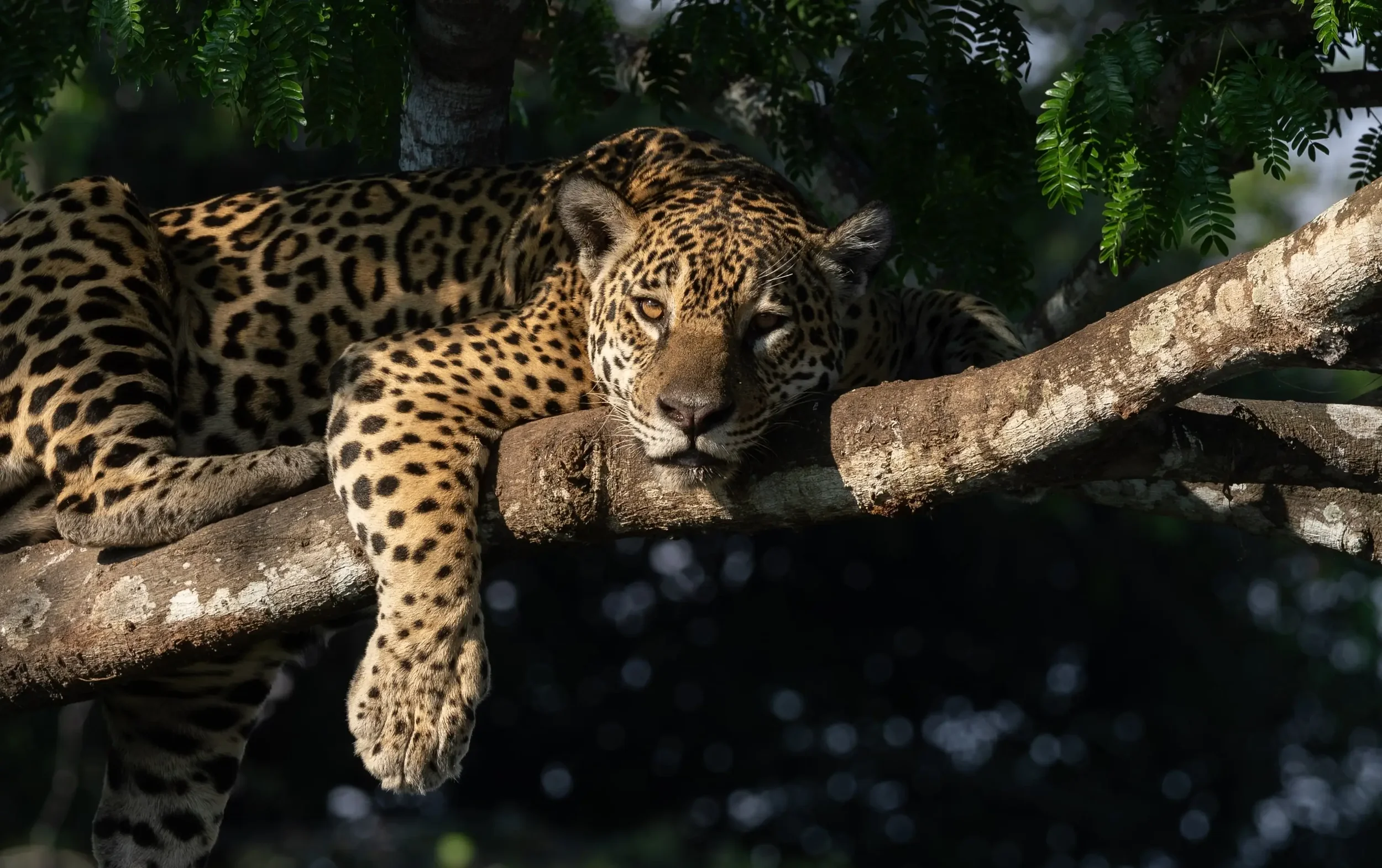
If Zambia has a single image that defines it, it’s South Luangwa at dusk - an open vehicle moving through winter-dry ebony forest, a leopard draped across a sausage tree overhead, the Luangwa River catching the last light behind you. This is where the walking safari was born, and it’s still where it’s done best: on foot, with a professional guide reading tracks in the sand, following sign through the thickets at a pace that lets you actually understand what you're looking at. No other national park in Africa has the same walking tradition, the same depth of guiding knowledge, or the same density of leopard.
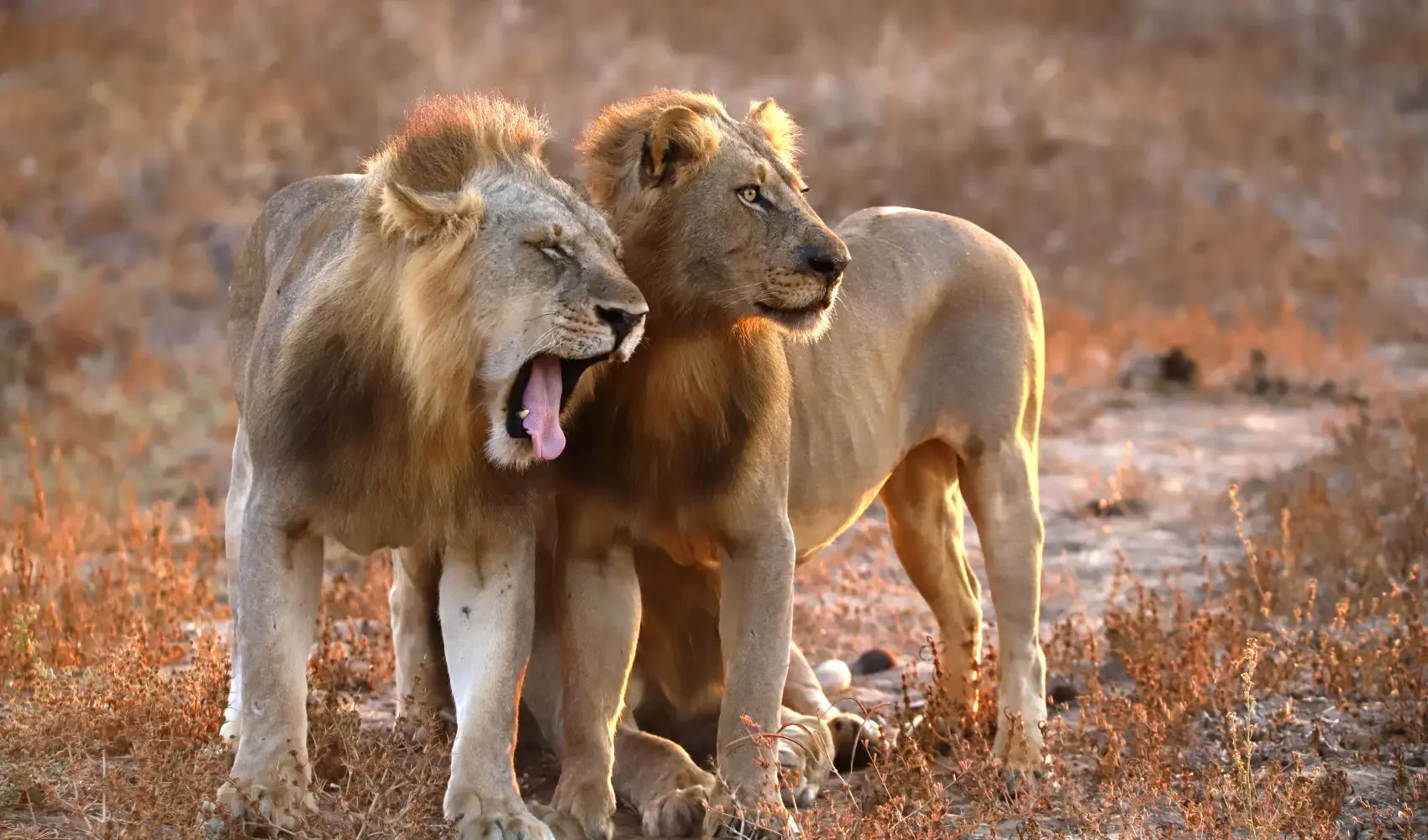
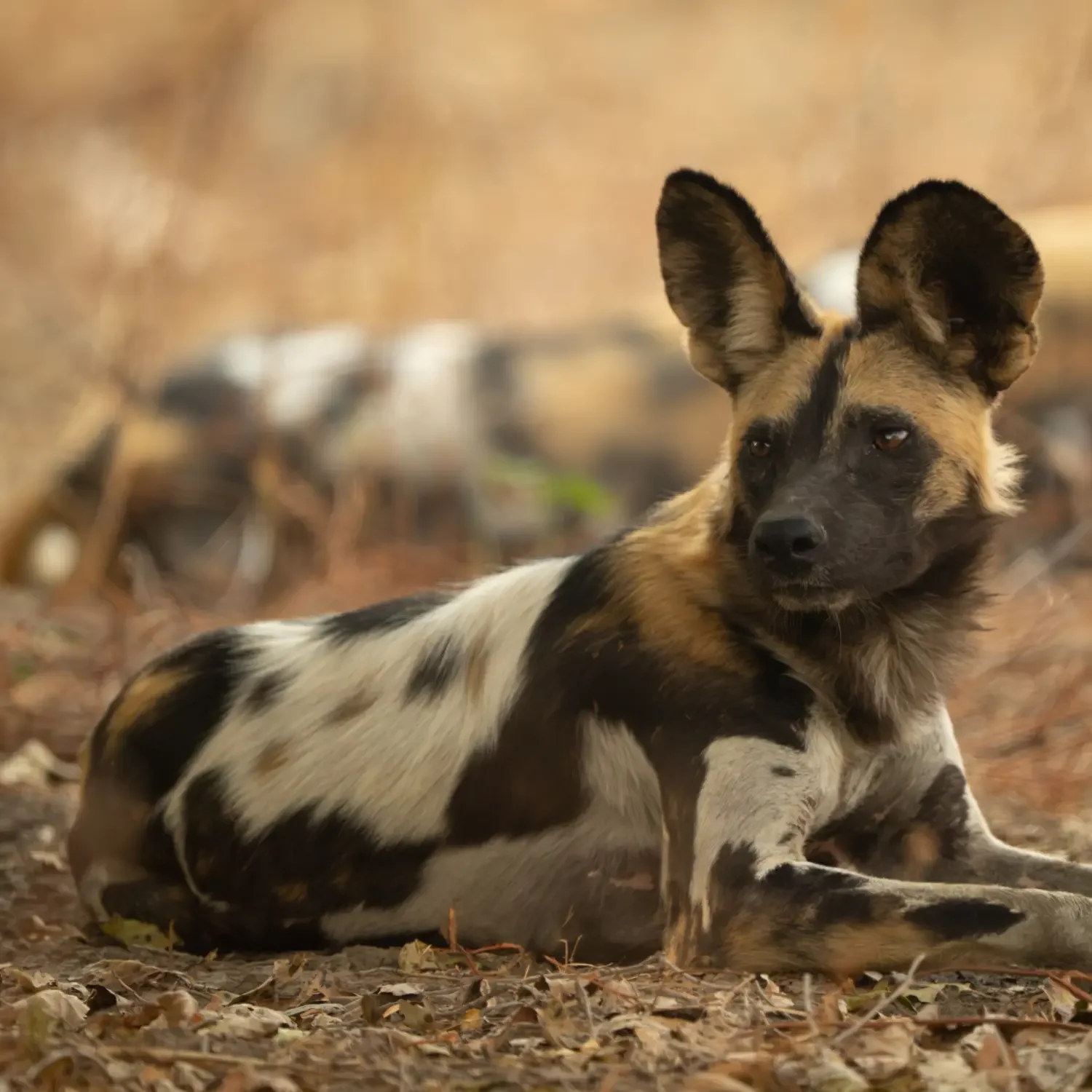
The Luangwa River and its oxbow lagoons concentrate elephant, hippo, buffalo, and the predators that hunt them into a corridor of extraordinary intensity - and because the park operates night drives (rare across much of southern Africa), the experience extends well past sunset. Lion, hyena, leopard, and Zambia's thriving population of wild dog are all regularly seen after dark. The best camps here sit on private land bordering the river; several have been run by the same families and guides for a generation, and it shows.
Where Rivers Run WildLower Zambezi National Park
The Lower Zambezi is where you put down the binoculars and pick up a paddle. Canoeing along the Zambezi - silent, at water level, reading the riverbank for elephant, lion, and the enormous crocodiles that slide off sandbars as you pass - is one of the most immersive game-viewing experiences in Africa, and this is the park where it's done properly. Across the water, Zimbabwe's Mana Pools faces you from the opposite bank; the wilderness corridor between them is as intact as anything left on the continent.
The park's camps are set on the floodplain between the escarpment and the river, most of them small and fly-in only, which keeps the numbers low and the atmosphere genuinely remote. Walking and game drives complement the water activities, and the Zambezi's tiger fishing draws a serious following of anglers willing to travel a long way for it. The Lower Zambezi combines naturally with South Luangwa - different in feel, different in pace, and a pairing that gives a fuller picture of what Zambia does.
Feel the Smoke that ThundersVictoria Falls & Livingstone
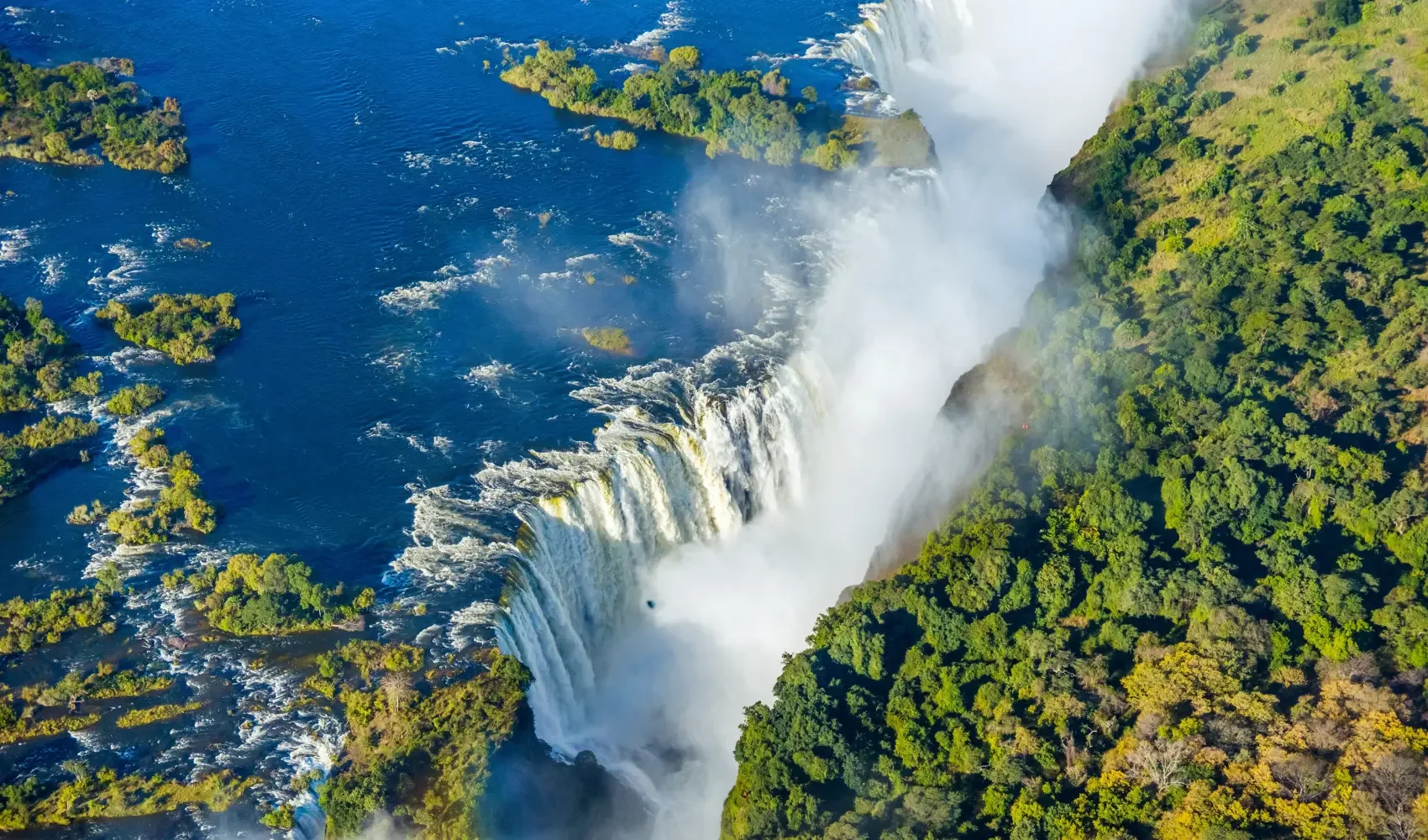
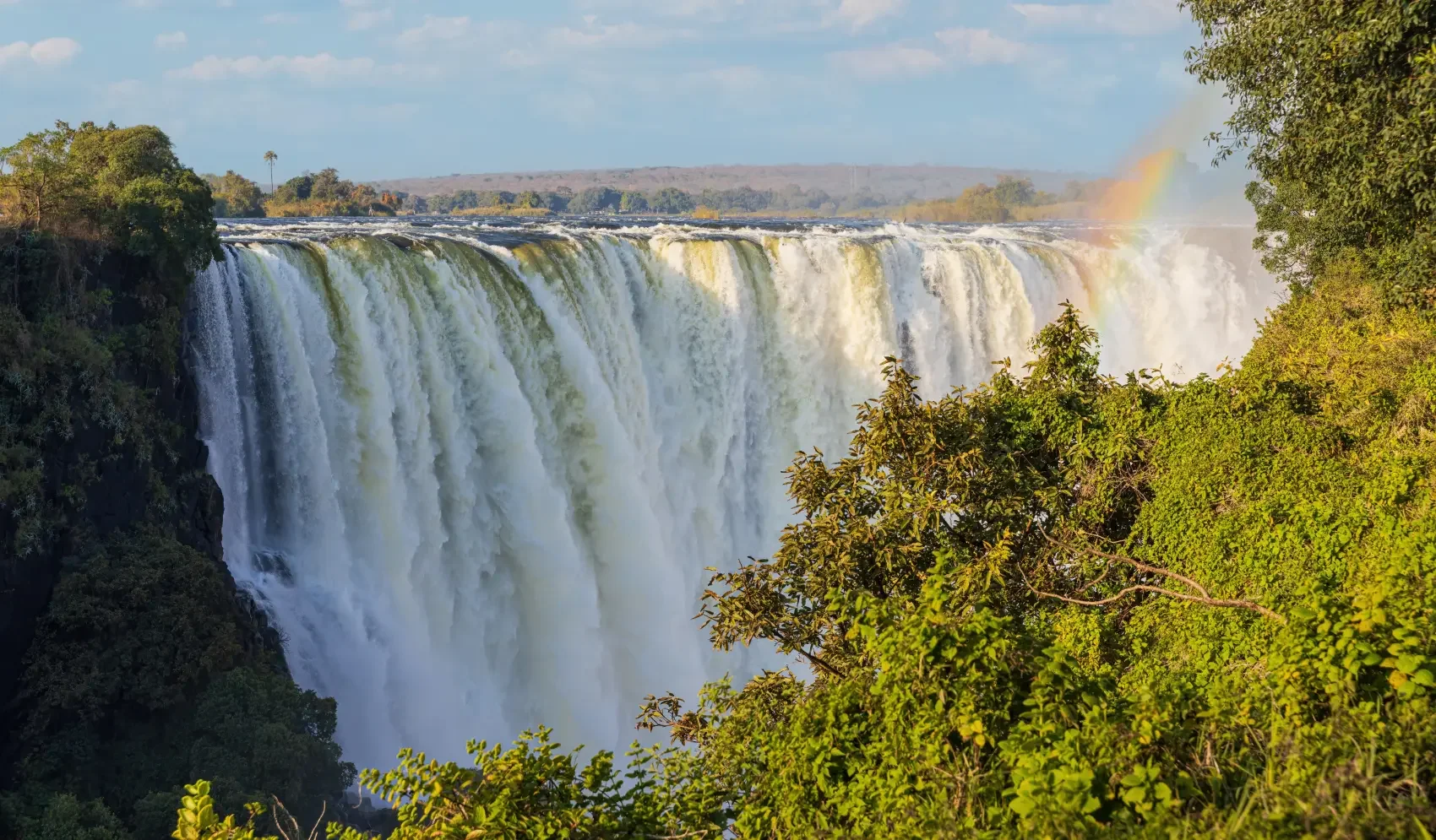
Victoria Falls is not a backdrop. It's a physical event - 108 meters high, 1.7 kilometers wide, generating a column of spray visible from 30 miles away. The local name, Mosi-oa-Tunya, gets it right: "The Smoke That Thunders." Standing on the lip of the gorge in full flood, soaked through, watching the Zambezi disappear into the chasm below, is one of the few experiences in travel that genuinely exceeds whatever you imagined it would be.
Livingstone, the Zambian town that sits above the Falls, has become a serious destination in its own right - better infrastructure, better lodges, and a slower pace than the Zimbabwe side. Activities run from helicopter flights over the gorge and sunset cruises upstream to whitewater rafting below the Falls and guided walks through the UNESCO World Heritage Site itself. Most of our Zambia itineraries anchor on Livingstone either at the start or the end of the trip - it's a natural gateway into the country and a genuinely memorable place to begin or close a safari.
Endless Plains & Untouched WildKafue National Park
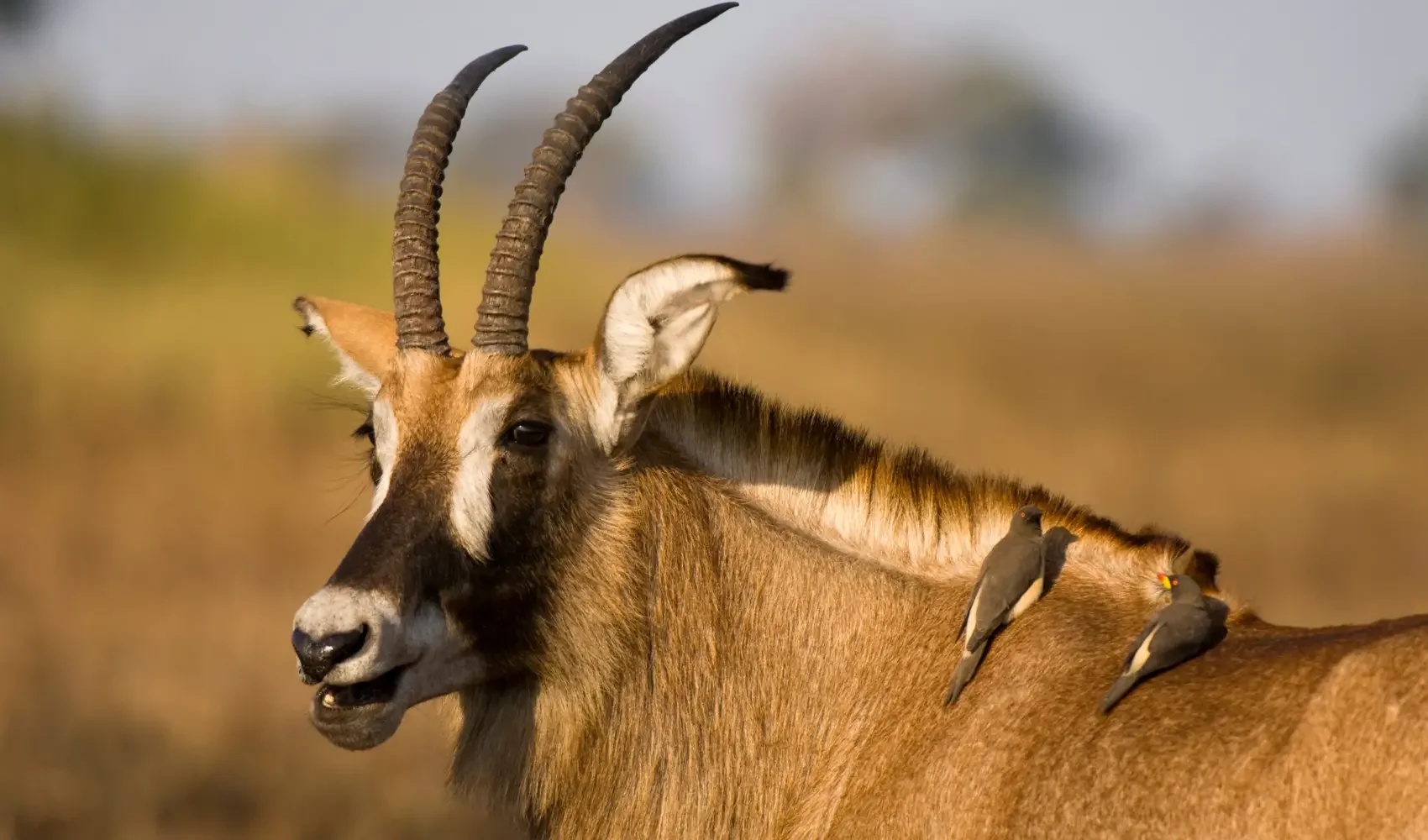
Kafue is Africa's second-largest national park - 22,400 square kilometers of miombo woodland, floodplain, and river system in central-western Zambia - and it receives a fraction of the visitors that its scale and wildlife density deserve. That imbalance is one of the reasons we like it. The park's Busanga Plains, a remote seasonal floodplain in the north, are among the finest game-viewing areas in southern Africa: vast, open, and consistently productive for lion, roan antelope, red lechwe, cheetah, and wild dog, with almost no other vehicles in sight.
Travel in Kafue requires more planning than Luangwa - the distances are greater, the camps more spread out, and logistics demand an operator who knows the park properly. The payoff is a wilderness that feels genuinely unhurried and, for repeat safari-goers who've done the more obvious circuits, genuinely new. The camps here tend to be small, owner-run, and deeply embedded in their landscapes; several have been instrumental in the park's conservation recovery. For travelers for whom privacy and scale are the whole point, Kafue is where we send them.
Our Top Zambia Safari Packages & Itineraries

Cape Town & Botswana Victoria Falls Extension
On Demand Departures: 16 days; from $19,210/person
When to Visit Zambia for Safari
For over 45 years, Explorers World Travel has guided thousands of explorers to the right place at the right time - and in Zambia, the right time depends entirely on what you most want to see. The country runs on two rhythms, and the trip you'll have shifts significantly depending on which one you follow.
The quirk worth knowing first: Victoria Falls and the game viewing season run on opposite clocks. The Zambezi reaches peak flood in March and April, when the Falls are at their most dramatic - a wall of spray and sound that swallows the gorge whole. But the prime wildlife window in Luangwa and the Lower Zambezi opens in May, when the rains end and the bush starts to dry. May sits at the crossroads of both, which makes it one of the most well-rounded months to travel Zambia. We factor this into every itinerary we build.
Dry Season
(May - October)
Zambia's dry season is where walking safari earns its reputation. By June, the Luangwa Valley is spare and open - the vegetation stripped back, the ground baked hard, tracks pressed clearly into dust - and the guides who've spent decades reading this landscape can follow a leopard across a dry riverbed and tell you exactly what it ate the night before. South Luangwa at this time of year is among the finest wildlife experiences in Africa, not because of the numbers but because of the quality of what a good guide can show you on foot.
The season sharpens as it deepens. September and October push the heat into the forties and the pressure on water sources becomes palpable - game congregates, predators move constantly, and the bush has a charged, almost urgent quality that experienced safari-goers travel specifically to find. On the Lower Zambezi, the canoe season opens fully from June, running the river at eye level through a landscape thick with elephant and hippo; Kafue's Busanga Plains, inaccessible during the rains, open from around July into the finest predator grassland in central Africa. June and July nights turn sharply cold - fire country - and the best camps across all three parks fill early.
(November - April)
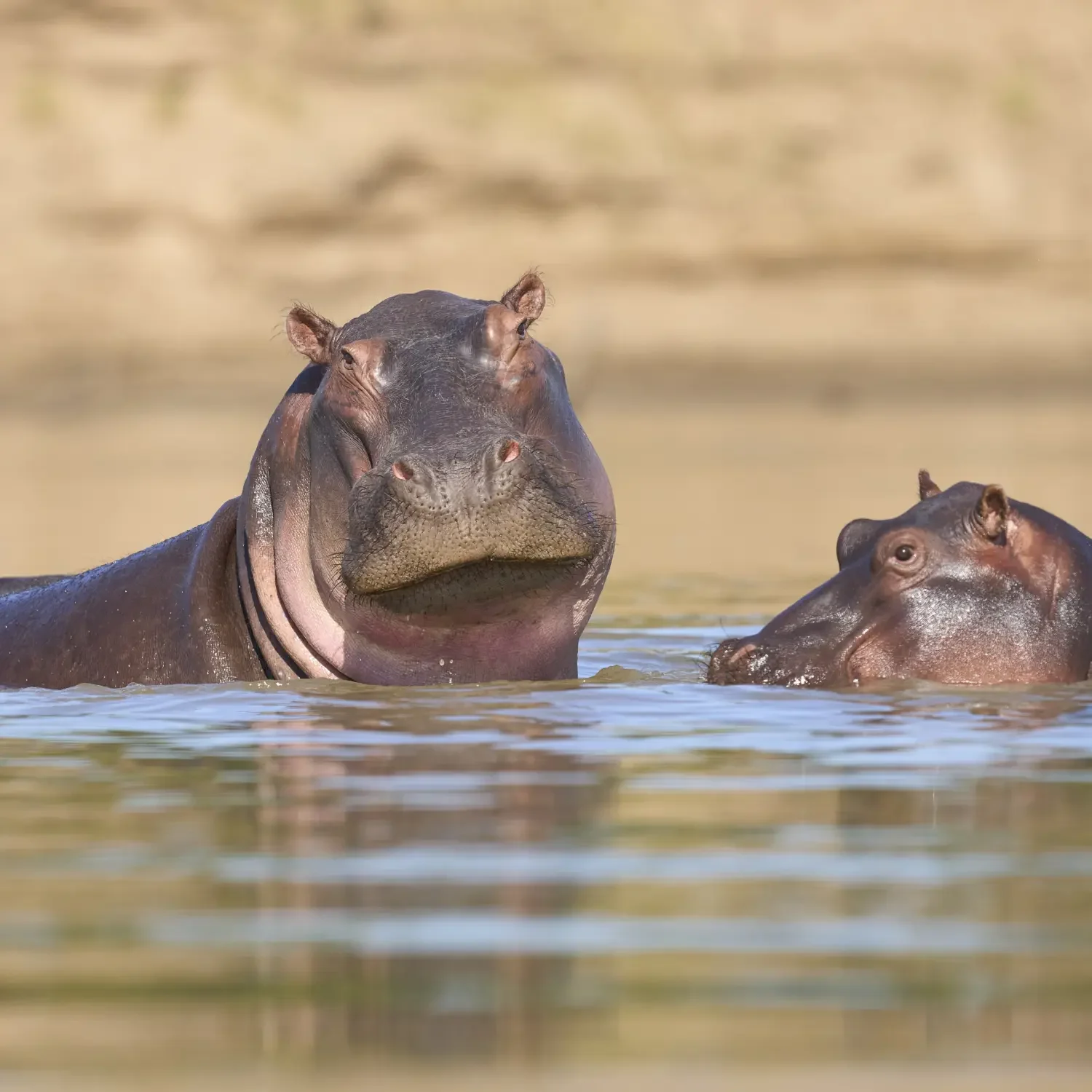
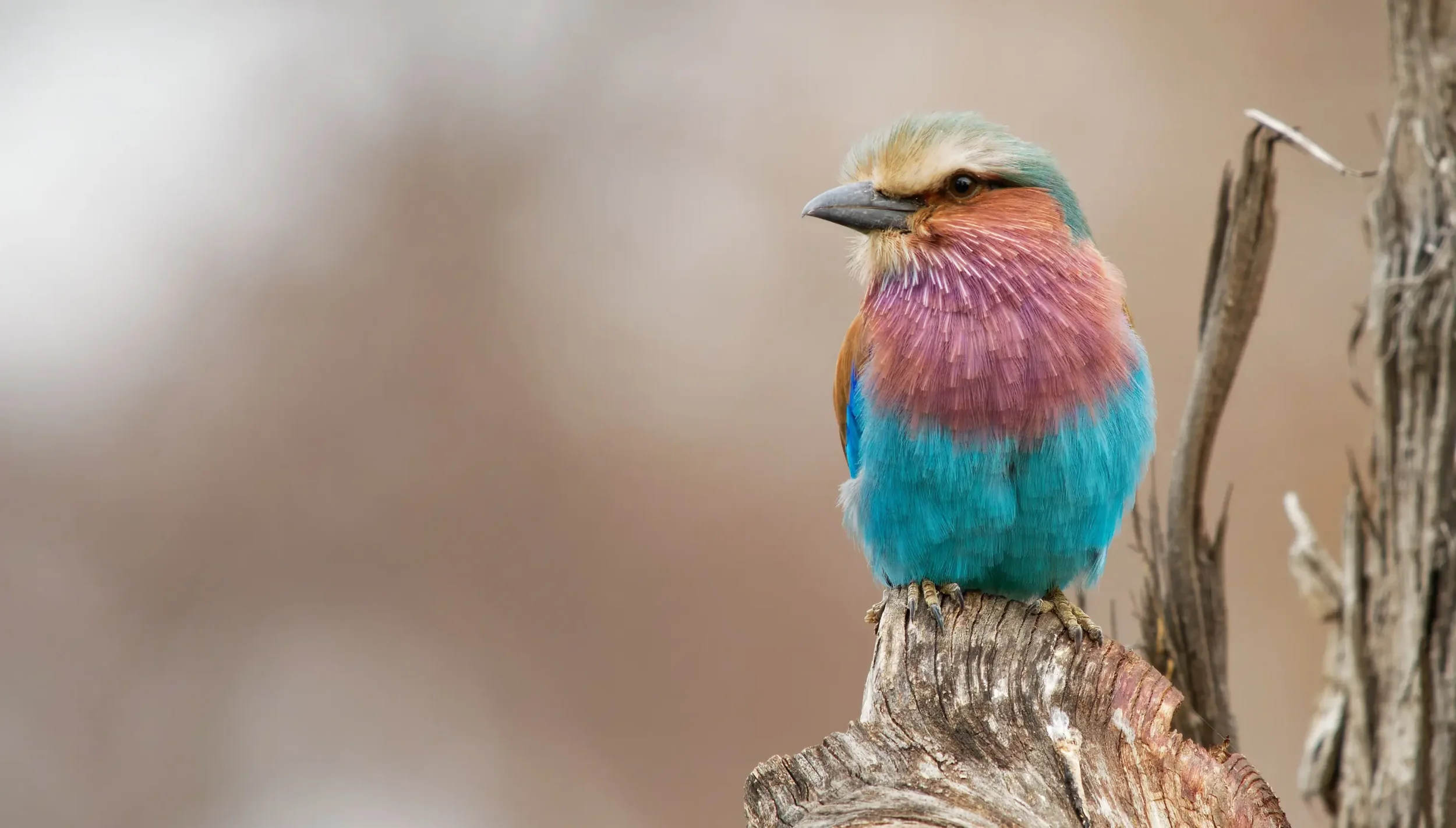
There's a version of Zambia that most safari-goers never see, and the rains reveal it. When the Luangwa Valley floods back to life - the same escarpment that baked pale gold in October suddenly buried in layers of green, thunderheads building every afternoon - the country becomes genuinely beautiful rather than just dramatic. The birding shifts entirely: hundreds of Palearctic migrants arrive from Europe, resident species come into breeding plumage, and the floodplains fill with waterbirds that aren't there at any other time of year. The wild dog packs are denning, which means pups, which means the most intensive predator activity of the twelve months.
The limitations are honest ones. Some Lower Zambezi camps close at peak flood, walking safari programmes contract when the ground is wet, and the Busanga Plains are under water. But the green season also delivers something the dry months can't: the Zambezi building steadily toward full flood from March into May, Victoria Falls at its most overwhelming, and a Zambia that feels genuinely alive rather than waiting for the rains to end. For travelers returning for a second or third trip, or those who find the dry-season camps too crowded, it's often the version of the country they end up preferring.
Wet Season
Tailoring Your Zambia Safari
The real advantage of building a luxury Zambia safari from scratch is that it bends to fit the people traveling it - a honeymoon and a family adventure ask for very different things. Here's how we tailor a trip around who's coming and what matters most to them.
Zambia Safari Honeymoons
Walking safari is, at its core, an intimate experience - two people moving quietly through the bush with a guide who reads the landscape as fluently as a language, covering ground at a pace that lets you actually absorb where you are. It suits a honeymoon in a way that a vehicle-based circuit doesn't. You're not passengers. You're participants, and that changes the quality of what you share.
We might anchor a honeymoon in the Luangwa Valley for the walking, move to the Lower Zambezi for canoe evenings and nights listening to the river, and open or close at Victoria Falls for the spectacle of it. The camps we choose for honeymooners tend to be small, remote, and staffed by people who've been there long enough to do the details without being asked - the private dinner in the bush, the sleep-out, the bottle that appears at the right moment.
Family Safaris in Zambia
Zambia is a destination that rewards the right family at the right age - and we'll tell you plainly if the timing isn't right rather than fit you into an itinerary that doesn't suit. Walking safaris, which are central to what makes Zambia special, carry minimum age requirements that typically start between 12 and 16 depending on the camp; all regions require malaria prophylaxis, which narrows the field further for younger children.
For families who clear those thresholds, what Zambia offers is genuinely different from anywhere else on the continent. A teenager who tracks wild dog on foot through the Luangwa Valley with a guide who knows every pack by name, or paddles a canoe past swimming elephant on the Zambezi, comes home changed in a way a vehicle-based safari doesn't quite produce. Give us the ages and we'll tell you honestly what's right.
Choosing Your Camps & Lodges
Camp selection in Zambia is more consequential than in most destinations because the guiding is so central to the experience. The same camp with an average guide and an exceptional one are two entirely different trips - and the guides who've spent twenty seasons in the Luangwa Valley, who know which leopard uses which tree and how the packs move through the dry season, are not evenly distributed. We know who they are and which camps they work from.
Beyond the guiding, the options range widely: intimate bush camps deep in the Luangwa concessions, river-edge lodges on the Zambezi with private decks and strong currents running below, remote fly-in camps in Kafue that see almost no other visitors, and a handful of lodges near Livingstone for travelers who want comfort and the Falls on their doorstep. We narrow it to the handful that fit your trip - and we've stayed in all of them.
Your Questions, Answered
-
We recommend a minimum of seven nights to make the internal flights worthwhile and to do justice to at least two regions - typically South Luangwa paired with either the Lower Zambezi or Victoria Falls. Most clients build a 9–12 night itinerary, and those combining Zambia with Zimbabwe's Mana Pools or Botswana's Chobe are usually traveling for 12–14 days. South Luangwa alone warrants four to five nights; the Valley rewards time.
-
It's where the walking safari was invented, and it's still where it's done best. South Luangwa has a depth of guiding tradition - guides who've spent twenty or thirty seasons in the same valley, who know the leopard territories and the wild dog pack movements by direct observation - that no other park in Africa can fully replicate. If walking is the experience you're coming for, Zambia is the answer.
-
South Luangwa is known as the Valley of the Leopard - it has one of the highest densities of leopard in Africa, and the combination of night drives (permitted here where they aren't in many other parks) and expert walking guides means leopard sightings are a genuine expectation rather than a hope.
Beyond leopards, Zambia is outstanding for wild dogs, lions, elephants, hippos, and crocodiles. The Lower Zambezi adds tiger fish for anglers, and Kafue's Busanga Plains consistently produce roan antelope, cheetah, and some of the finest lion viewing in central Africa.
-
Yes - with the right operator and the right itinerary. Zambia is more remote and logistically complex than East Africa, and the walking safari experience is more demanding than a vehicle circuit, but neither of those things is a problem if the planning is done properly.
Explorers World Travel has been sending first-time safari travelers to Zambia for decades; we structure the itinerary to ease them in, choose camps with guides who are excellent at reading what a guest needs, and handle every detail from arrival to departure. First-timers who come to Zambia with us tend to come back.
-
Easily, and most of our clients do. Victoria Falls sits on the Zambia-Zimbabwe border and connects naturally to either side - from Livingstone, Zimbabwe's Hwange National Park and Mana Pools are within reach, and Botswana's Chobe is roughly two hours by road. Zambia also combines well with Tanzania for a broader East and southern Africa journey, or with South Africa for travelers who want to pair the bush with Cape Town. We build multi-country itineraries regularly and know which combinations work and which add unnecessary travel time.
-
Zambia is one of Africa's most politically stable countries, and the camps and concessions we work with operate to a high standard of safety. Travel between parks is by light aircraft, and all guides operating walking safaris are professionally trained and licensed. We've been sending clients to Zambia for over 45 years - every itinerary is planned to run seamlessly, and we remain reachable throughout your trip if anything needs adjusting.
-
Most travelers, including US, UK, EU, Canadian, and Australian citizens, require a visa to enter Zambia. The KAZA UniVisa - available on arrival or online - covers both Zambia and Zimbabwe for a single fee and is worth considering for anyone planning to cross between the two countries at Victoria Falls. Requirements and fees do change, so we confirm the current rules for your nationality as part of every booking we build.
Related Posts