A century ago, a safari meant months of travel, lodging that was rarely booked ahead, and real danger from disease. Even in the 1980s, guides couldn't be sure there'd be beds waiting. Today an African safari is about as comfortable and safe as visiting a national park in any developed country. Thanks to protected parks and reserves, wildlife viewing is better than ever.
It's easy to list the differences in transport and accommodations over my fifty-plus years in Africa. While these are amusing, it's really not much different than comparing cars.
We all know that the Model T Ford required some lengthy, persistent cranking to start, whereas today Alexa can warm up your driver's seat and program your journey before you even put on your coat to go into the garage.
What's more interesting to me is to compare the character of the travelers to Africa, the state of the wilderness, and the impact the travelers' journeys have had on their lives over those sixty years.
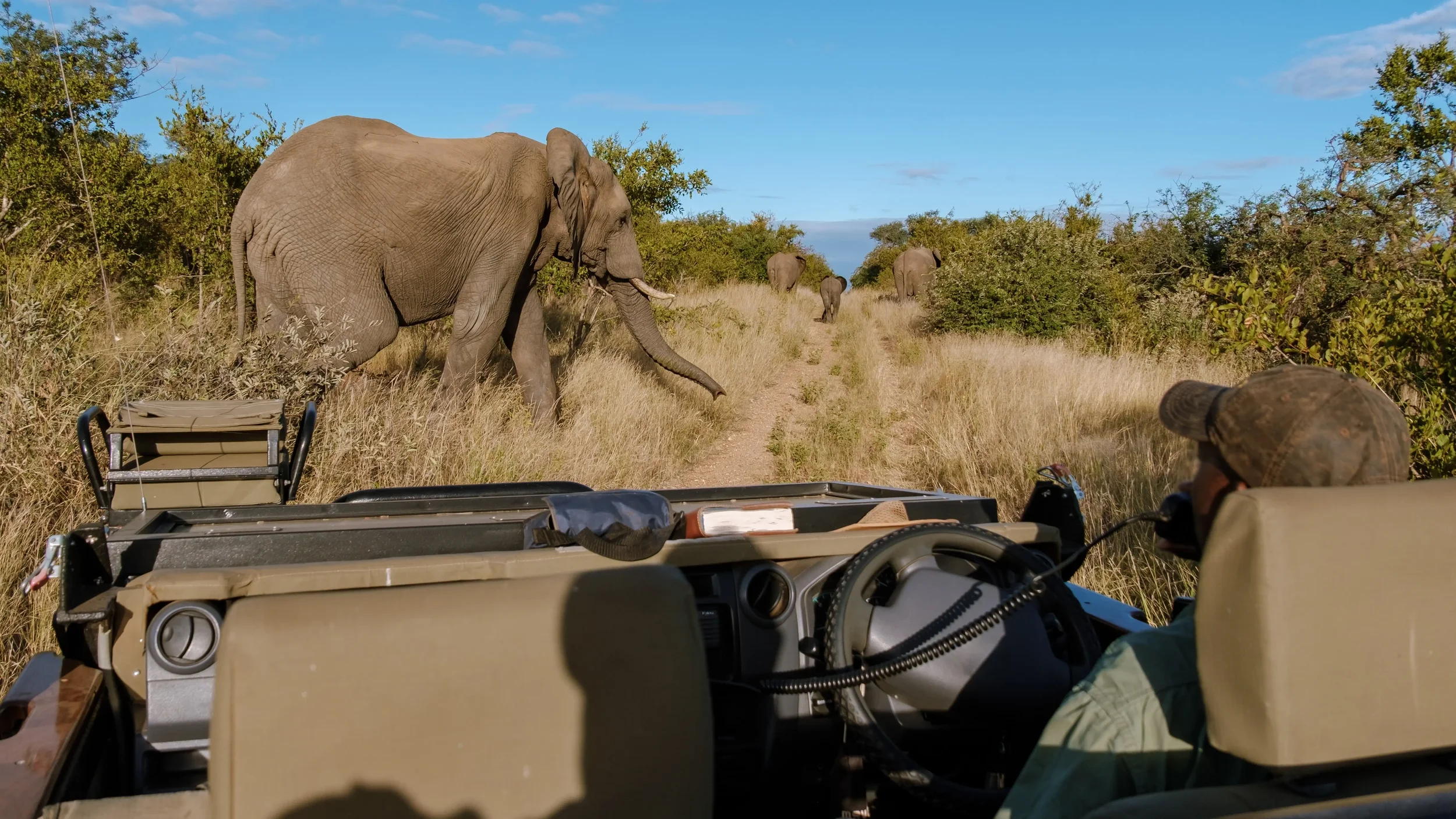
The First Safari Travelers to Africa
1921: The First American Visitor to the Serengeti
The first American visitor to the Serengeti Game Reserve in 1921, according to oral history that hasn't changed since I first heard it in the early 1970s, was T.J. Simpson, from Trenton, New Jersey. He arrived in his Model T.
Model Ts went all over the world with their travelers. They were stored on ships much like bikes are stored on public buses today. While not necessarily the most efficient way to explore the Serengeti in the 1920s, it sure would've been exciting!
1957: Marlin Perkins and the First Safari Tour Group
A couple of generations later, but still before African self-government, TV celebrity and Chicago's Lincoln Park Zoo director Marlin Perkins organized the first "tourist group" into Africa in 1957.
Guess how long that trip was. Guess how long before departure the 12 intrepid travelers signed on. One dentist's reservation, with his teenage son, is dated two years before Marlin gathered the group at Manhattan's Pier 32 at the North Hudson River terminal in June 1957.
From there they boarded the American South African Line's SS Star for its week-long sailing across the Atlantic to Dakar. Then they took Land Rovers right across the continent, game viewing all over the place.
They finally returned home from Nairobi aboard a BOAC (British Overseas Airways Corporation) DC-7C. It stopped at Khartoum, had a 2-night respite in Rome, then a 3-night respite in London before the 12½-hour nonstop flight from "London Airport" to "Idlewild."
The journey ended two months and two days after it began. But even that wasn't known for sure: the return date was "estimated."
Most of their accommodation hadn't been prearranged. Marlin had contacts with several famous Great White Hunters up and down the continent, and they knew he might show up, but didn't know exactly when. They didn't know how many people would be with him, so they didn't know how to stock up for meals or arrange everyone's accommodations.
Disease and Danger: The Real Risks if Early African Safaris
T.J. Simpson came several generations after the first great European explorers. But whether you were in T.J.'s pioneering days or Marlin Perkins', only two things were guaranteed about your trip: you would be in Africa, and danger abounded.
Danger came not just from wild animals. (The truth is that tourist taunting and disrespect of wild animals in Africa today causes far more incidents between big animals and humans than T.J. or Marlin probably ever saw.)
But disease was rampant. Following WWII, chloroquine was available as a malaria prophylactic. In the mid-1950s its side effects were still not fully understood, and whether you took the pill or not, a hefty percentage of travelers to Africa got malaria.
River blindness, schistosomiasis, leprosy, cholera and a score of other icky sicknesses were everywhere. Marlin correctly mitigated the risk by traveling from Great White Hunter to Great White Hunter, men whose long residency in Africa had taught them how best to avoid illness.
But that was no guarantee, and you still had to travel unescorted from point to point. Cities like Dakar, Abidjan, Lagos, Stanleyville, Khartoum, Kampala, Nairobi and Mombasa were all pretty clean and safe. But hey, not too many lions ever roamed the streets of Nairobi.
Safari in the 1980s: Telex, Airmail and Uncertainty
Another generation on, I was guiding lots of folks in East Africa. Chloroquine had been replaced with even better and more refined prophylactics. There were vaccines for cholera and typhoid.
We carried water treatment gadgets and purification pills, but practically everyone on an African safari in the 1980s or earlier still got sick at some point. So the information manuals at Explorers World Travel urged our guests to get all sorts of antibiotic pills and creams from their doctors.
And we were never completely sure, when we arrived at a lodge or tented camp, that there would be room for all of us. Communications were done by telex or airmail, and both were incredibly flawed.
I remember how much angst I suffered bumping along old African tracks, leading a group to a place where I couldn't be sure the long-drops had been cleaned, that there was enough rice and beans to make a meal, or that the zippers were good enough or the sash windows new enough to stop the bats from using our beds.
But as far as I know, T.J., Marlin's guests and certainly my own clients invariably rated their adventures as exceeding the most rigorous expectations of transformation and excitement they could ever have imagined.
Why Wildlife Viewing Is Better on Safari Today
Interestingly, the animal experience, the raison d'être for the whole thing in the first place, is better today than before.
In the old days there weren't the rigorously managed national parks and reserves that exist today. Teddy Roosevelt mentioned how he traveled nearly ten days through what is now Kenya's Tsavo West National Park without ever seeing an elephant.
The transformation and contraction of the wild into these great protected areas has been a magnificent success of conservation and tourism development. Despite far fewer animals, and sometimes dangerously fewer species, a tourist today can truly experience many more great animals in wild environments than T.J., Marlin's guests or my own early clients could ever have hoped for.
Is Safari Still an Adventure?
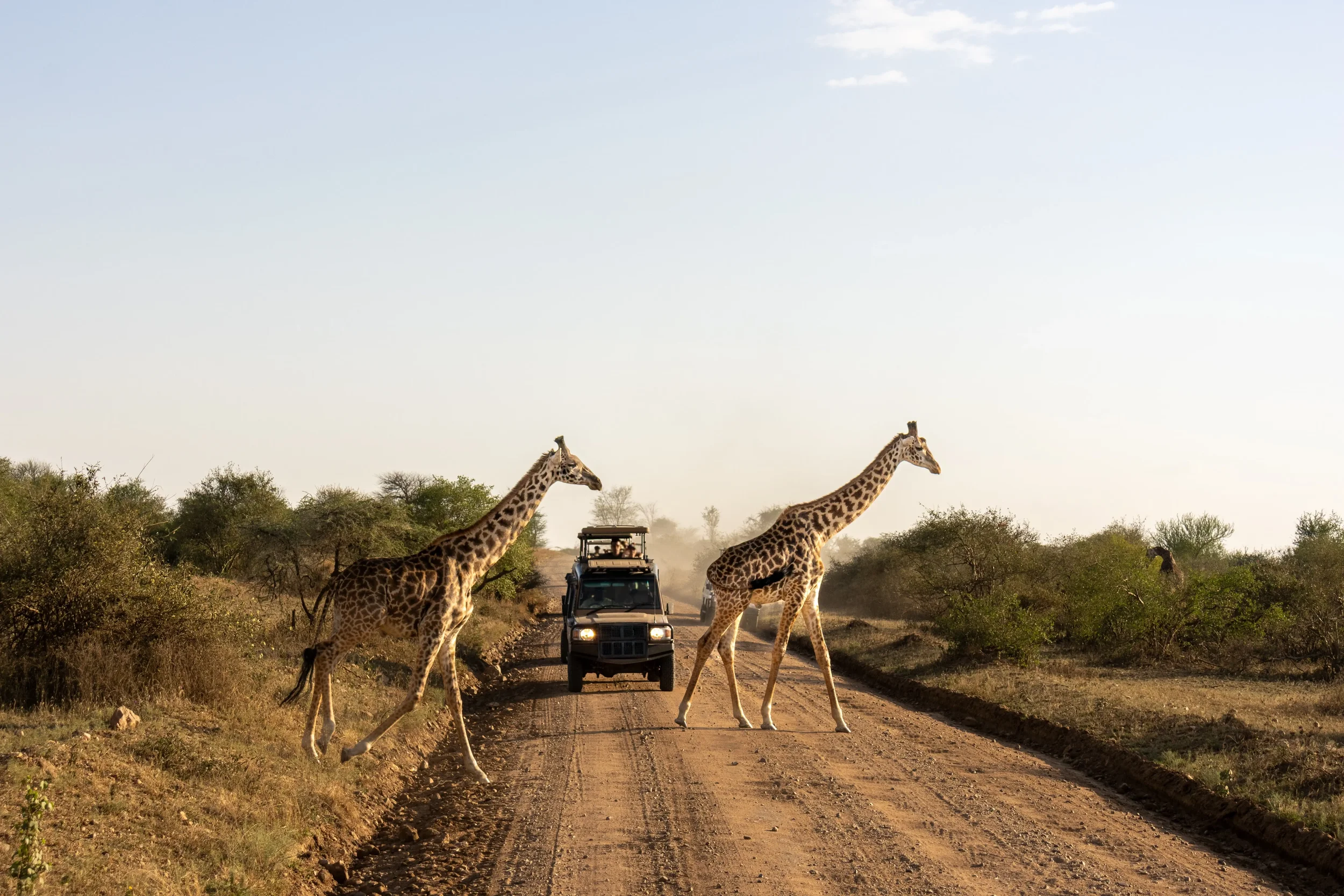
Today, the comfort, certainty, and safety of an African safari is really on a par with visiting any national park in any developed country. Africa is no longer the Great Unknown for foreigners.
Cancellation and interruption insurance, franchised travel medical clinics, and permethrin-treated pants have transformed what was once an often risky, breathtaking adventure into just a really great vacation.
Is there anything wrong with this? Although I do miss the old excitements, I wouldn't really have it any other way.
The explosion of tourism to Africa reflects the unchanged sensory thrill of unmatched scenery and still wild, magnificent animals, now merged with the new and often unbelievable comforts available in the most remote wilderness locations.
Experience Safari Today, With People Who Remember Yesterday
We've been designing safaris since 1979, and our experts still travel alongside guests on every guided safari. If you'd rather travel your own way, we'll design a private safari built around you.