Seeing Jaguars With Us: A Big Cat Biologist on Seeing Jaguars in Brazil’s Pantanal
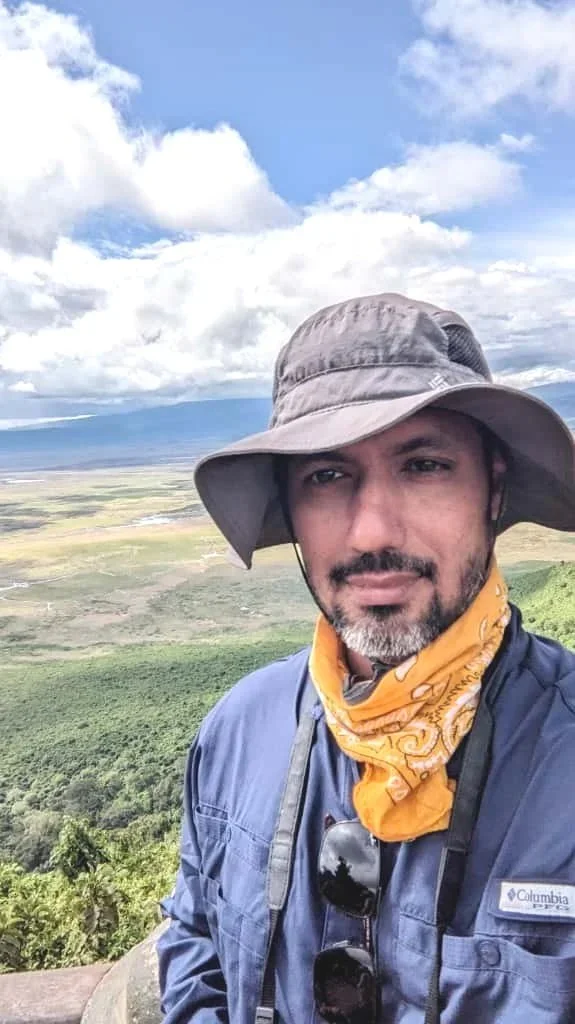
I am a cat biologist, I have been studying cats for the last 19 years, both big and small, from iconic Bengal Tigers to Marbled Cats. And I have seen three of the five big cats up close: tigers, lions, and leopards. I have never seen a jaguar. Seeing jaguars in Brazil is, for me, the last piece of a career spent chasing cats across three continents, and it's proof of just how different this animal is from the rest of its family.
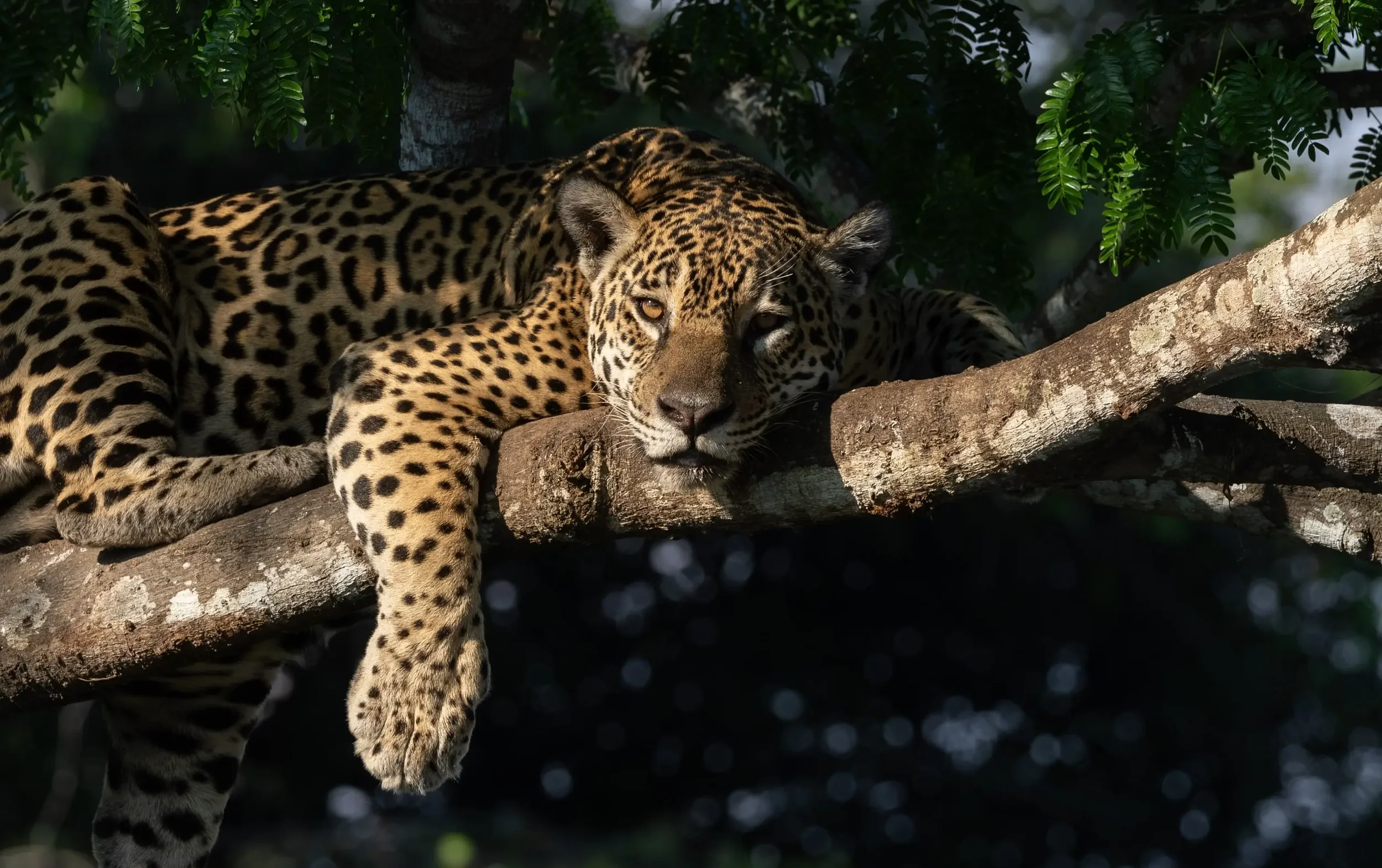
The jaguar is the third-largest cat in the world and has the most powerful bite, relative to its size, of any big cat. It's also listed as Near Threatened, with healthy populations increasingly confined to strongholds like the Pantanal in South America. That much you can find with a quick search. What's harder to find is why it took scientists so long to study jaguars in the wild, why so few researchers who dedicate their careers to this species ever see one, and why almost no globally accredited zoo keeps them. Those answers sit in scientific papers and the natural history books written by the people who actually did the fieldwork, not in a search snippet. Before I get to the trip that will, I hope, finally put a jaguar in front of me, let me explain how a tiger researcher from Bangladesh ended up chasing jaguars in Brazil.
Why Seeing a Jaguar is So Rare
I am a cat biologist. I have been studying cats for the last 19 years, both big and small, from iconic Bengal Tigers to Marbled Cats. And I have seen three of the five big cats up close: tigers, lions, and leopards, but I have yet to see a Jaguar! The third-largest of all cats, with the most powerful bite among mammals. Well, that information you can pick up from AI or a simple internet search. But how did scientists discover that? Why is it so difficult to see a Jaguar? Why do most scientists who study this highly elusive species never get to see one? Why do almost no globally accredited zoos have this gorgeous beast in their collection?
Well, those answers may be a little tricky to find with AI or a simple search. One needs a deeper dive through scientific papers and books written on jaguars' natural history to find them. Well, I studied tigers most of my adult life; then how did jaguars come into my psyche? Let me try to answer all these questions one by one, and first let me start with how I got interested in jaguars!
How I Got Interested in Jaguars
My mom used to read me the stories written by Jim Corbett on tigers in India. Here you go! Tigers again! Well, no, it's not just another story of tigers. But those tiger stories saw the seeds for a budding cat biologist for sure. I am from Bangladesh, and my first language is Bangla, and I was and still am an avid reader.
Growing up, one of my favorite storybooks was about three young detectives based in Los Angeles, USA, and their adventures. Although they were based in LA, their leader was a Bengali teen named Kishor. The other protagonists of that story were Musa, an African American, and Robin Milford. Guess what, they ventured into the Amazon after a "kidnapping," and there they met a jaguar! The story goes that local natives used their own technique to catch a jaguar that kills their cattle.
A little more of a fun fact: Jaguars belong to the genus Panthera, which means roaring cat. The roaring is a result of their hyoid bones, but jaguars don't really roar! They sound more like a big, bulky man coughing or someone using a hacksaw to chop some wood! Yes, a simple internet search will make you believe me. Well, I learned this fact from that adventure book! But no one gets to see this ghost of the Amazonian jungle, a deep rainforest.
The Scientists Who First Studied Jaguars in the Pantanal
In the early days of jaguar research, in the mid-1970s, scientists had yet to fit them with radio collars to track them 24/7. Camera traps were still in their infancy. They needed a place where they could see them out in the open daylight, like lions in the Serengeti or Tigers in Kahna; in both cases, it was Preeminent Biologist Dr. George Schaller who studied them for the first time in human history. I call Dr. Schaller the founding father of my tribe, the tribe of "conservation scientists".
Dr. Schaller ventured into the Pantanal, and ever since then, he has brought numbers of scientists there to help him; two of them were Howard Quigley and Alan Rabinowitz. Alan became my mentor and sat on my master's thesis committee. Both Alan and Howard passed away, but not without a fight against the tide and personal ailments. Alan established the first jaguar preserve in the world, and Howard ran one of the longest-running jaguar research stations in the world, yes, in Pantanal.
Alan ended up writing many books on his experience; he gave me all of them with his own signature. One of those was "An Indomitable Beast", where he described how jaguars epitomize fighting against the odds and how their perceived shyness helped them to survive the "Pleistocene overkill". Jaguars never confront powerful enemies, mostly men with arms; instead, they would always retreat. It doesn't mean they aren't any less courageous.
Why Jaguars Are Rarely Seen in Zoos
Not many globally accredited zoos have jaguars in their collection; for instance, the Bronx Zoo used to have them, but not anymore. Because jaguars get highly stressed in captivity, unlike lions and tigers, jaguars are never tame. They don't jump as a circus master whips; instead, they stress out and fight with their inmate, and oftentimes the bigger one kills the smaller one. As cat morphology and dimorphism go, males are usually larger than females; it's the male that ends up killing the female in most cases.
Seeing Jaguars in the Pantanal, Brazil
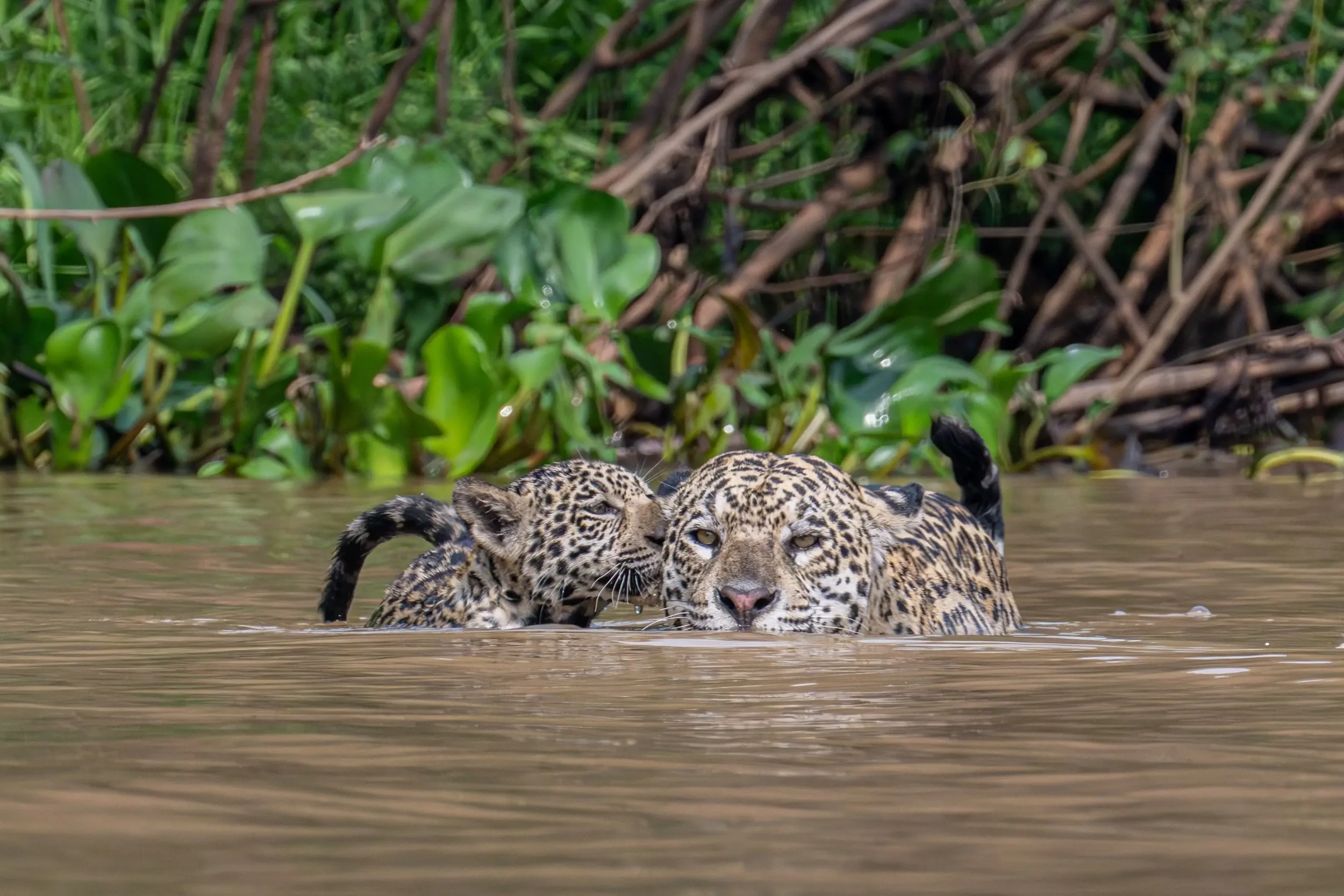
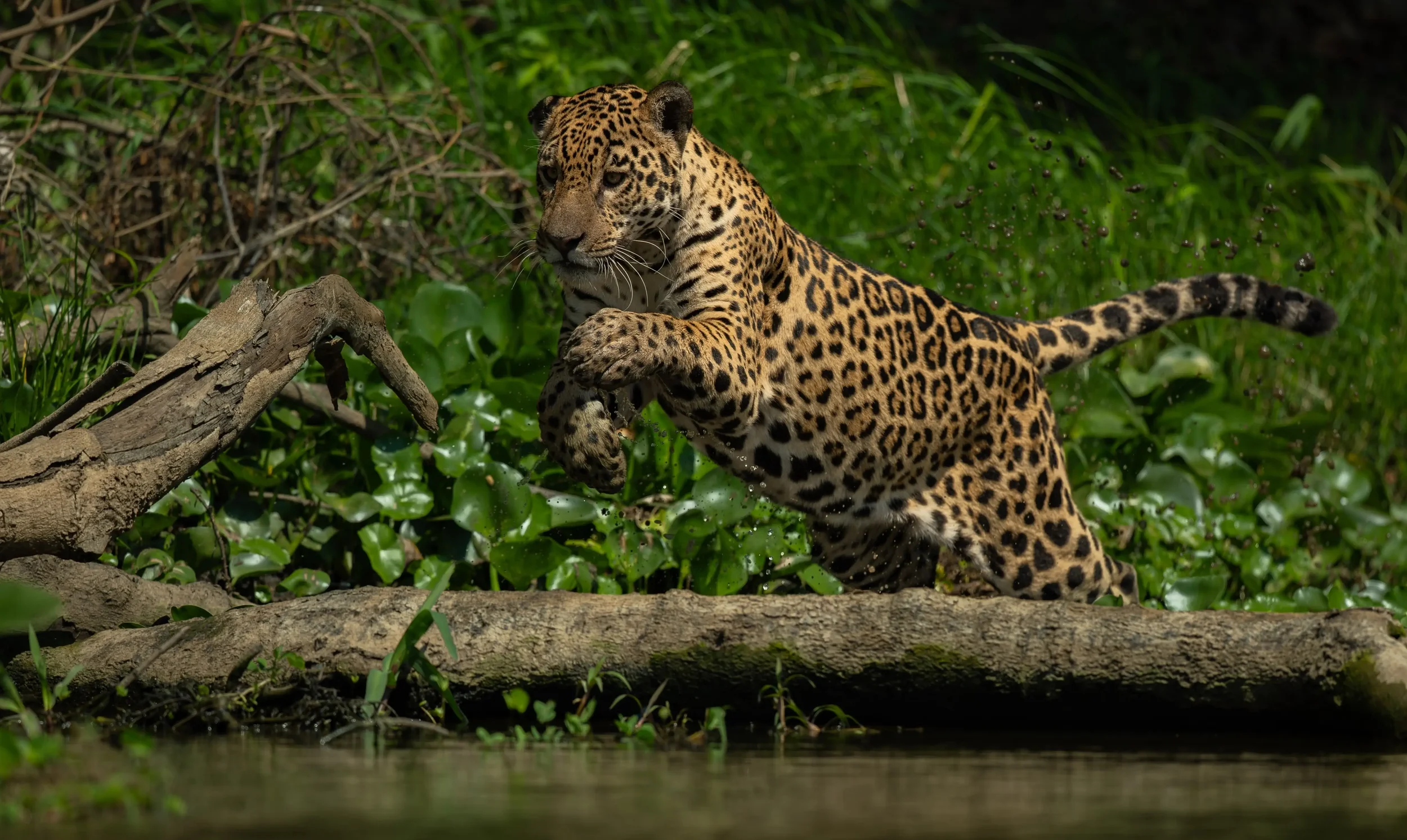
Pantanal is the only exception in the world, the only place in the entire Neotropics where one can witness this magnificent, indomitable beast. And yes, quite up close. If one is lucky, they may get to see Jaguars hunting cayman alligator, and their main prey, capybara (the largest rodents in the world). No matter whether you see them hunting or not, you get to see their agility, their sheer grace. They roam around the river banks, look for prey, or, when they feel too hot after stomaching tons of meat they just hunted. Well, if one's even luckier, they get to see jaguar cubs, the symbol of hope.
And yes, I am excited to see my first jaguar, but I am equipped with the backstories; my mentors and their other mentees gathered those over the years through their diligent and extremely hard work. In the beginning, I talked about how natives used their own technique to catch a jaguar that kills their cattle. Well, the time has changed, and my mentors did a fantastic job here, so instead of simply catching and killing, local people and ranchers now catch them, all right, but fit them with radio/satellite collars with help from the local scientists. So that they can monitor their movement; if they approach their ranch, they can take caution to protect their cattle. While out there in Pantanal, you may get to see a jaguar or two wearing those collars around their neck; don't feel bad, these protect both them and millions of dollars' worth of Brazilian cattle industry.
Ready to See a Jaguar for Yourself?
Nineteen years of studying big cats, and it took a childhood detective story, a mentor's signed books, and decades of scientists and ranchers working together to bring me to this point: finally on my way to see a jaguar in the wild. That's what makes the Pantanal so special. It isn't just the only reliable place on Earth to see this animal up close; it's a place where the whole story of jaguar conservation, from Dr. Schaller's first studies to the collared cats on the riverbank today, is still being written.
If seeing a jaguar in the wild is on your own list, our Pantanal trip is built around exactly this stretch of Brazil, the same rivers where jaguar research and conservation began. Request a trip and we'll talk you through what to expect.